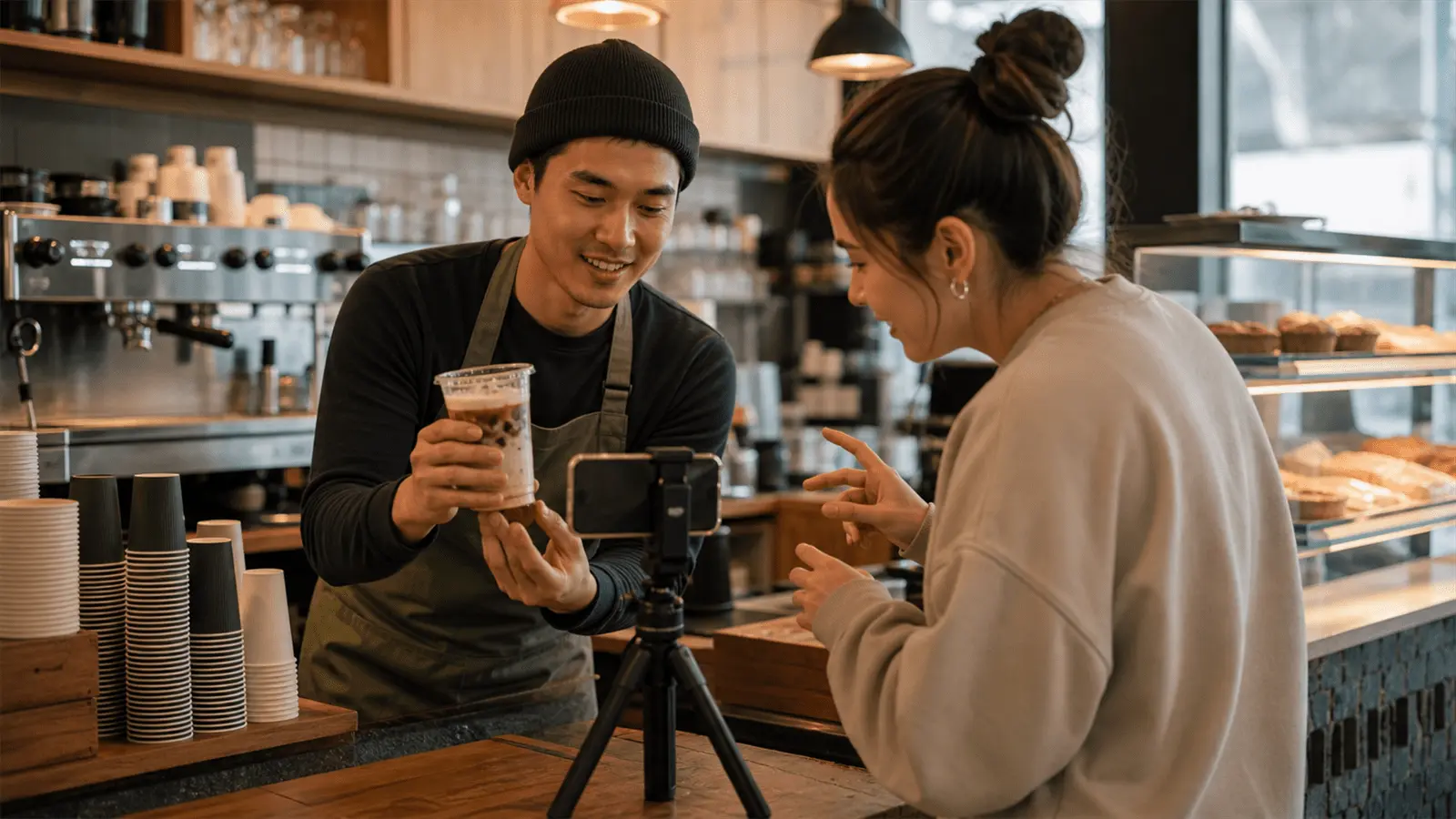
Starbucks’ new TikTok pilot is easy to dismiss as a clever social-media experiment, but the commercial signal is bigger than that. Marketing Dive reports that Starbucks is the first brand to pilot a custom Creator Network with TikTok built around employee-generated content. The logic is straightforward: employees already post about drinks, shifts, store rituals, and customer moments, and those videos often feel more believable than brand-polished social ads. Starbucks is now trying to turn that authenticity into a more deliberate media asset.
The useful insight here is that discovery is no longer driven only by official brand publishing or by external influencers. For younger audiences, product curiosity often starts with people who seem close to the actual experience of using or making the product. In Starbucks’ case, the barista behind the counter can feel more trusted than a conventional campaign because the content looks native to the environment instead of imported into it.
Why employee-created content is becoming a media channel
That makes employee-generated content more than a culture story. It becomes a distribution and conversion issue. If short videos from staff can introduce a drink, normalize a customization, or make a product launch feel socially current, then HR, operations, and marketing are suddenly touching the same revenue surface. The team that manages staff behavior and the team that manages paid reach can no longer think in silos.
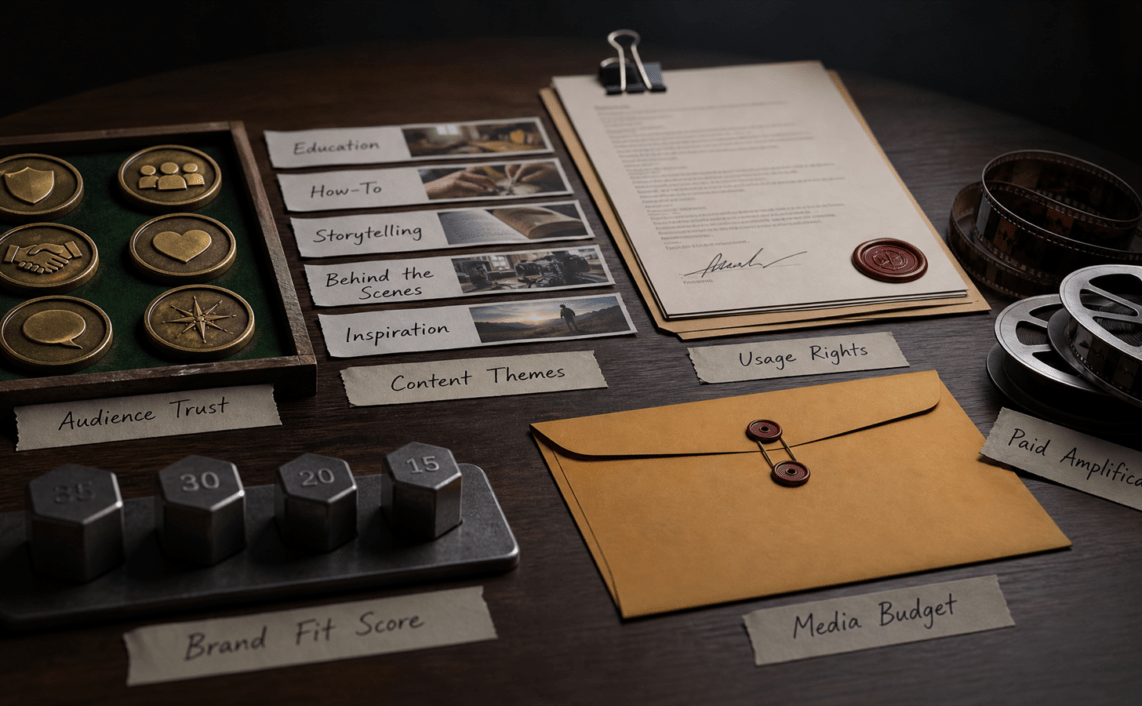
The opportunity is not simply to repurpose staff videos into ads. The bigger change is that brands may need to design systems for employee-creators the same way they already design systems for influencer partnerships. That means clearer participation rules, compensation logic, content rights, moderation standards, and training that helps employees understand how to tell the brand story without sounding scripted.
Practical takeaway for retail and hospitality teams
There is also a risk. Authenticity scales badly when management tries to over-engineer it. If every employee post starts to look like disguised corporate creative, the value disappears. Brands that win here will not be the ones that squeeze maximum control out of the format. They will be the ones that identify what kind of employee voice actually drives discovery and then support it without flattening it.
Businesses should treat employee-created media as an operating model, not a trend. Start by identifying which real store moments customers already share or search for, which employees naturally create useful content, and which products benefit from demonstration rather than traditional promotion. Then build a lightweight framework around consent, incentives, and reuse in paid media. Starbucks’ move matters because it suggests the next wave of social performance may come from people inside the business, not only from agency briefs or influencer rosters.
Source: Marketing Dive – Starbucks pilots TikTok program for boosting employee-generated content