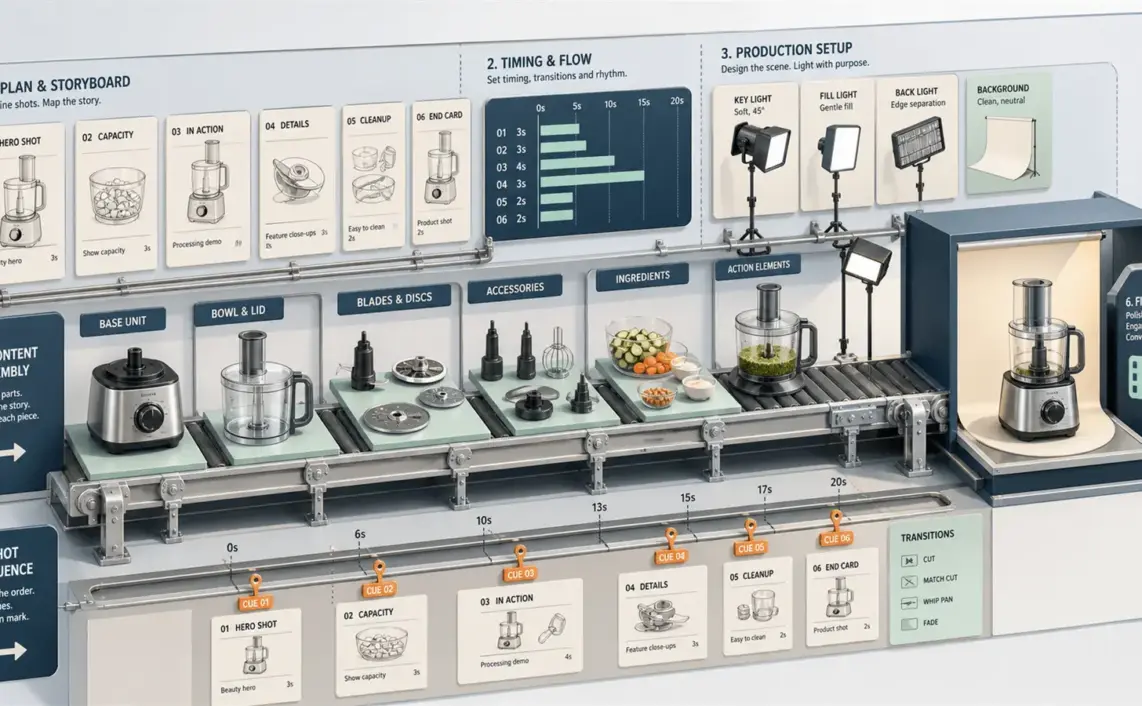
Meta’s latest AI ad push is easy to misread as another platform story about automation replacing agency work. The more important interpretation is harsher and more practical: automation is taking margin out of repetitive execution, which means agencies and in-house teams need to earn their place higher up the stack. If campaign setup, variant generation and parts of optimization become easier inside the platform, the real value shifts toward judgment, creative direction, data discipline and brand control.
That is why Meta’s Cannes messaging toward agencies matters. Publicly, the company is reassuring partners that agencies remain critical. Strategically, the tools point in a clear direction: more end-to-end automation, tighter creative-performance loops and more platform-native workflow. Those changes do not eliminate agencies, but they do compress any role that depends mainly on pushing buttons inside Ads Manager.
Automation changes the profit pool before it changes the org chart
Digiday reports that Meta used Cannes to position agencies as important collaborators even while rolling out broader AI-powered ad tooling, including creative support and features that learn from a brand’s existing ads. That combination is the real story. Platforms rarely say “you are no longer needed.” Instead, they redesign the value chain so low-differentiation services become harder to defend.
For agencies, the immediate risk is not full disintermediation. It is commoditization. If more advertisers can launch, test and refresh creative inside Meta with less manual effort, then billing for routine trafficking, narrow optimization tasks or generic reporting becomes more fragile. The accounts that remain sticky will be the ones where the agency can connect audience insight, brand memory, creative quality control, experimentation design and commercial prioritization.
Where agencies and in-house teams should move next
This is also a workflow issue. Creative, media and analytics teams need tighter shared processes, because Meta’s tools increasingly connect what is produced, what is served and what performs. If those teams still operate as separate silos, automation will mostly create speed without coherence. If they work as one loop, the tools can help scale learning.
For marketing leaders, the practical question is simple: which parts of your current paid social workflow are truly strategic, and which parts are only manual? The answer should shape resourcing, agency scopes, compensation models and capability building over the next 12 months.
Source: Digiday on Meta’s AI ad tools and the changing role of agencies