Dick’s Sporting Goods adding a $99 paid loyalty tier is not just a benefits update. It is a signal that retailers are looking at loyalty as a revenue model, not only a discount engine. The retailer already says loyalty members account for a large majority of sales, so the strategic question is how to turn frequent relationships into a more valuable operating system without making customers feel like access has become another fee.
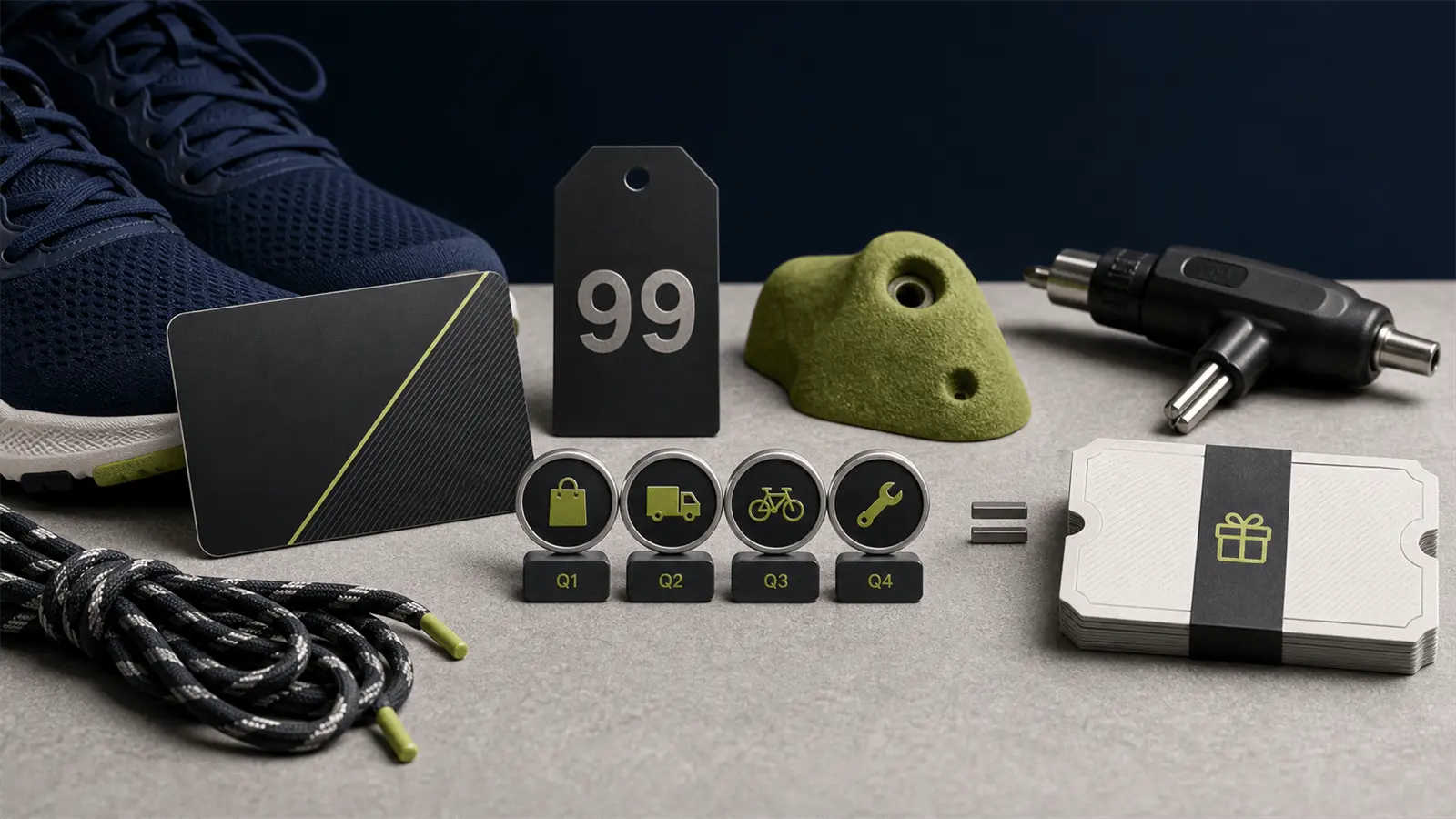
The new ScoreCard+ offer includes quarterly rewards and extra incentives, while the free tier is also being improved. That combination matters. A paid tier can create commitment and recurring economics, but it works best when the free program still feels useful. Otherwise, the brand risks training customers to see loyalty as a paywall.
Paid loyalty changes the KPI logic
For marketers, paid loyalty should not be judged only by sign-ups. The better questions are about behavior: do members visit more often, use services more, buy across categories, redeem rewards profitably, and stay active after the initial incentive? A program can look successful at launch and still fail if it mostly attracts people who would have bought anyway.
This is especially relevant in sports retail, where services and experiences can deepen the relationship beyond transactions. Bike repairs, glove steaming, climbing walls, events, and owned brands can all become reasons to return. The loyalty program then becomes a way to organize the relationship, not just a coupon file.
The tradeoff is value clarity
The hard part is making the value simple. A $99 fee needs to be legible. Customers should understand what they get, how quickly they can use it, and why the membership fits their shopping pattern. If the math feels hidden, adoption will depend too heavily on promotions. If the value is obvious, the program can support retention, first-party data, and service adoption.
For brandformance teams, the takeaway is to treat paid loyalty as a product. It needs positioning, onboarding, lifecycle messaging, margin discipline, and measurement beyond last-click sales. The goal is not just to sell membership. It is to create a more durable customer relationship that pays for itself.
Source: Retail Dive – Dick’s adds paid loyalty tier for $99 a year