Email Marketing: Crafting Campaigns That Convert
Editorial update: July 2026
What this means in practice
Email performance improves when the message reflects customer context rather than a fixed promotional calendar. The operating system is simple: permission, useful segmentation, a clear next action and disciplined measurement.
Decision framework
- Segment by lifecycle and behavior before adding more sends.
- Match one primary message and action to each email.
- Test meaningful variables such as offer, timing and proposition.
Metrics to monitor
- revenue or qualified action per delivered email
- unsubscribe and complaint rate
- incremental lift versus a holdout group
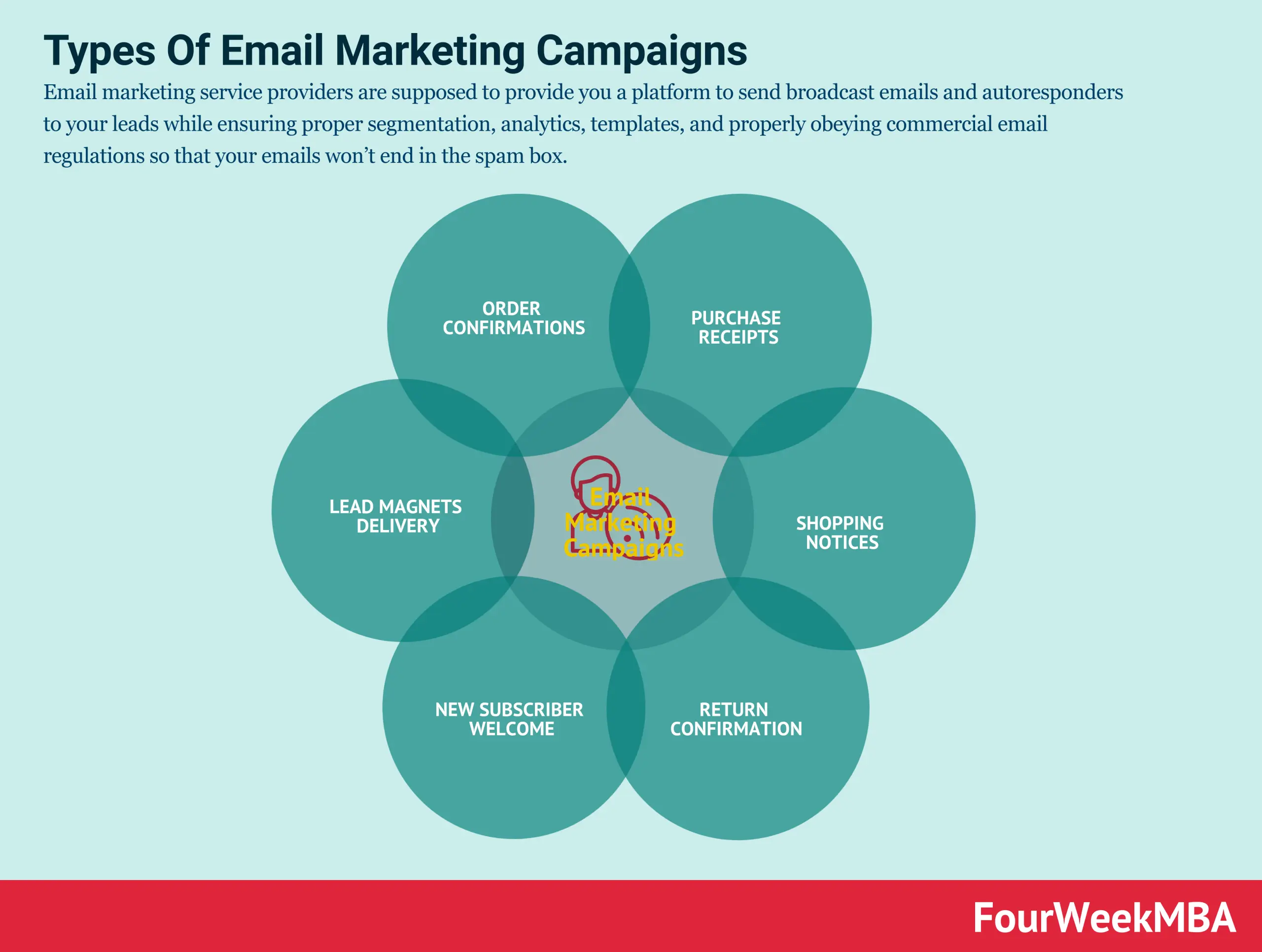
Email marketing remains a powerful tool for businesses seeking to connect with their target audience and drive conversions. However, crafting effective email campaigns that resonate with recipients and yield tangible results requires careful planning and strategic execution. Here are key steps involved in designing successful email marketing campaigns:

Define Clear Objectives:
Start by establishing specific goals for your campaign. Whether it’s increasing website traffic, generating leads, or driving sales, clearly defined objectives will guide the entire process and help you measure the campaign’s success.
Build a Targeted List:
Identify and segment your target audience based on demographics, interests, and behavior. A tailored list ensures that your messages reach individuals most likely to engage with them.
Craft Compelling Content:
Write subject lines that capture attention, personalize email content based on recipient data, and use a clear call-to-action that encourages the desired response.
Optimize Design and Layout:
Design an email template that is visually appealing, easy to navigate, and mobile-responsive. Use high-quality images, engaging fonts, and strategic white space to enhance readability and user experience.
Test and Refine:
Conduct A/B testing to optimize subject lines, email content, and design elements. This allows you to identify what resonates best with your audience and make data-driven improvements.
Track and Analyze Results:
Monitor key metrics such as open rates, click-through rates, and conversions to measure the effectiveness of your campaigns. Use analytics tools to gain insights into recipient behavior and identify areas for optimization.
Maintain Engagement:
Nurture relationships with your email subscribers by sending regular content, providing exclusive offers, and responding promptly to inquiries. Personalization and ongoing communication enhance subscriber engagement and increase the likelihood of conversions.
By following these steps and continuously refining your strategies based on results, you can create email marketing campaigns that resonate with your audience, drive conversions, and contribute to the overall success of your business.