Real Estate Marketing: Effective Advertising Techniques
Editorial update: July 2026
What this means in practice
Real estate marketing works best when local demand, property fit and sales follow-up are treated as one journey. More leads are not automatically better if geography, budget, timing and intent are weak.
Decision framework
- Build campaigns around location and buyer situation, not only property type.
- Show practical evidence such as availability, price context and next steps.
- Connect campaign data with appointment and closing outcomes.
Metrics to monitor
- cost per qualified viewing or consultation
- lead-to-appointment rate
- appointment-to-transaction rate
In the fiercely competitive real estate market, effective advertising is crucial for agents and brokers to stand out and generate leads. Here’s a comprehensive guide to advertising techniques that can yield maximum results:
1. Online Marketing:
- Search Engine Optimization (SEO): Optimize websites and content to rank higher in search engine results pages (SERPs) for relevant keywords.
- Pay-Per-Click (PPC) Advertising: Bid on keywords to display ads to targeted audiences on search engines (Google AdWords, Bing Ads) and social media platforms (Facebook Ads, Instagram Ads).
- Virtual Tours and Video Marketing: Offer immersive experiences through 3D tours, videos, and aerial photography, allowing potential buyers to view properties remotely.
2. Print Advertising:
- Newspapers and Magazines: Place ads in reputable local publications targeting homeowners, homebuyers, and investors.
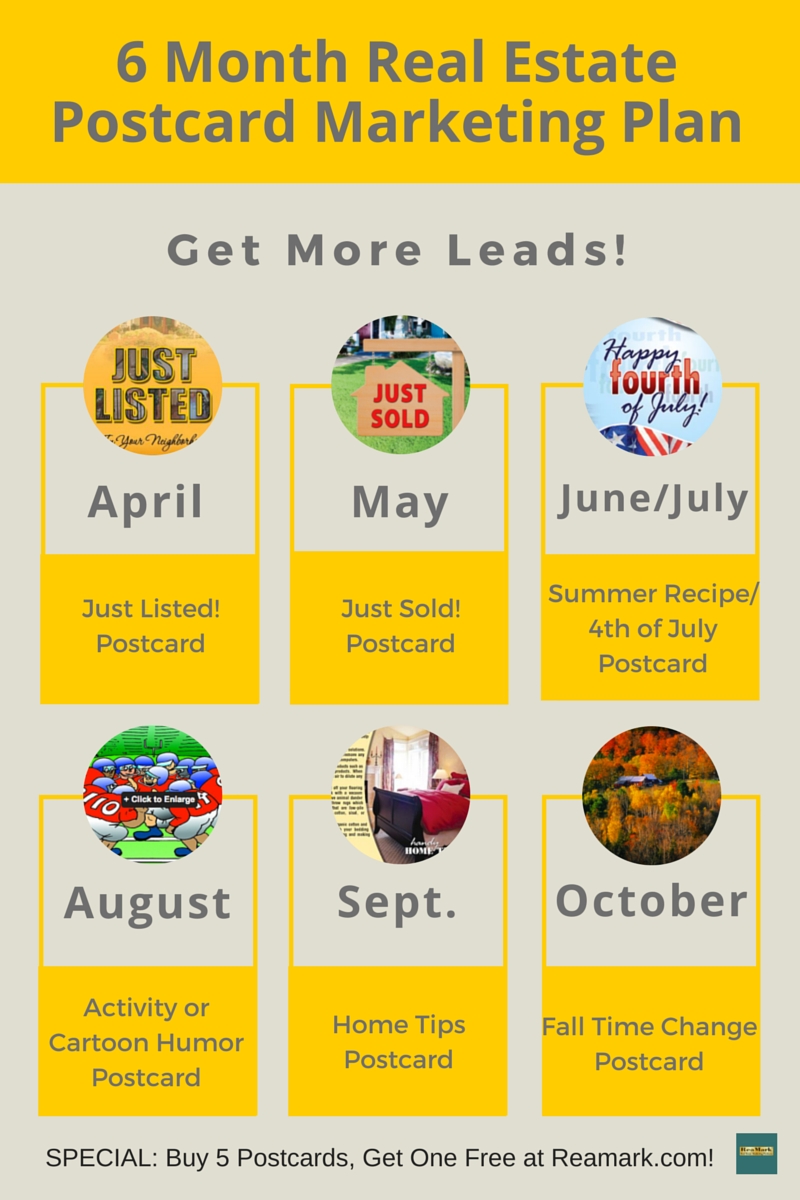
- Direct Mail: Send personalized postcards, brochures, and flyers directly to homes in your target market.
3. Social Media Marketing:
- Create Engaging Content: Share valuable information, market updates, and property listings on social media platforms such as Facebook, Instagram, and LinkedIn.
- Run Targeted Ads: Social media platforms offer advanced targeting options to reach specific demographics, locations, and interests.
4. Networking and Referrals:
- Attend Industry Events: Connect with potential clients, brokers, and partners at real estate conferences, open houses, and networking mixers.
- Foster Referral Relationships: Build relationships with local professionals such as attorneys, mortgage brokers, and home inspectors who can refer potential clients.
5. Location-Based Marketing:
- Geofencing: Use GPS technology to target potential leads who enter or exit specific areas, such as a neighborhood where you have a property for sale.
- Proximity Marketing: Send beacons to smartphone users in the vicinity of your property or office, delivering targeted messages.
6. Content Marketing:
- Publish a Real Estate Blog: Create valuable blog content that addresses common questions, provides neighborhood guides, and promotes specific properties.
- Offer E-Books and White Papers: Provide free resources, such as home buying or selling guides, to capture leads.
7. Public Relations (PR):
- Press Releases: Distribute news announcements about new listings, market trends, and company milestones to local media outlets.
- Media Coverage: Reach out to newspapers, magazines, and online publications for potential feature articles or interviews.
8. Measure and Analyze:
- Track Key Performance Indicators (KPIs): Monitor metrics such as website traffic, lead generation, and conversions to evaluate the effectiveness of your advertising campaigns.
- Adjust and Optimize: Based on the analysis, make necessary adjustments to your strategies, content, and budget allocation to optimize results.