For years, gaming advertising lived in an awkward place inside media plans. It had scale, attention and strong demographics, but it rarely felt operationally mature enough to take meaningful brand budgets away from connected TV. Digiday’s July 3 report on Electronic Arts suggests that this may be changing faster than many CMOs expected.
The key detail is not merely that EA wants more ad revenue. It is that the publisher has built its own ad server and software layer instead of relying on third-party infrastructure by default. That decision signals a more ambitious plan: treat game environments as premium media inventory with their own standards, targeting logic, and measurement discipline.
What changed
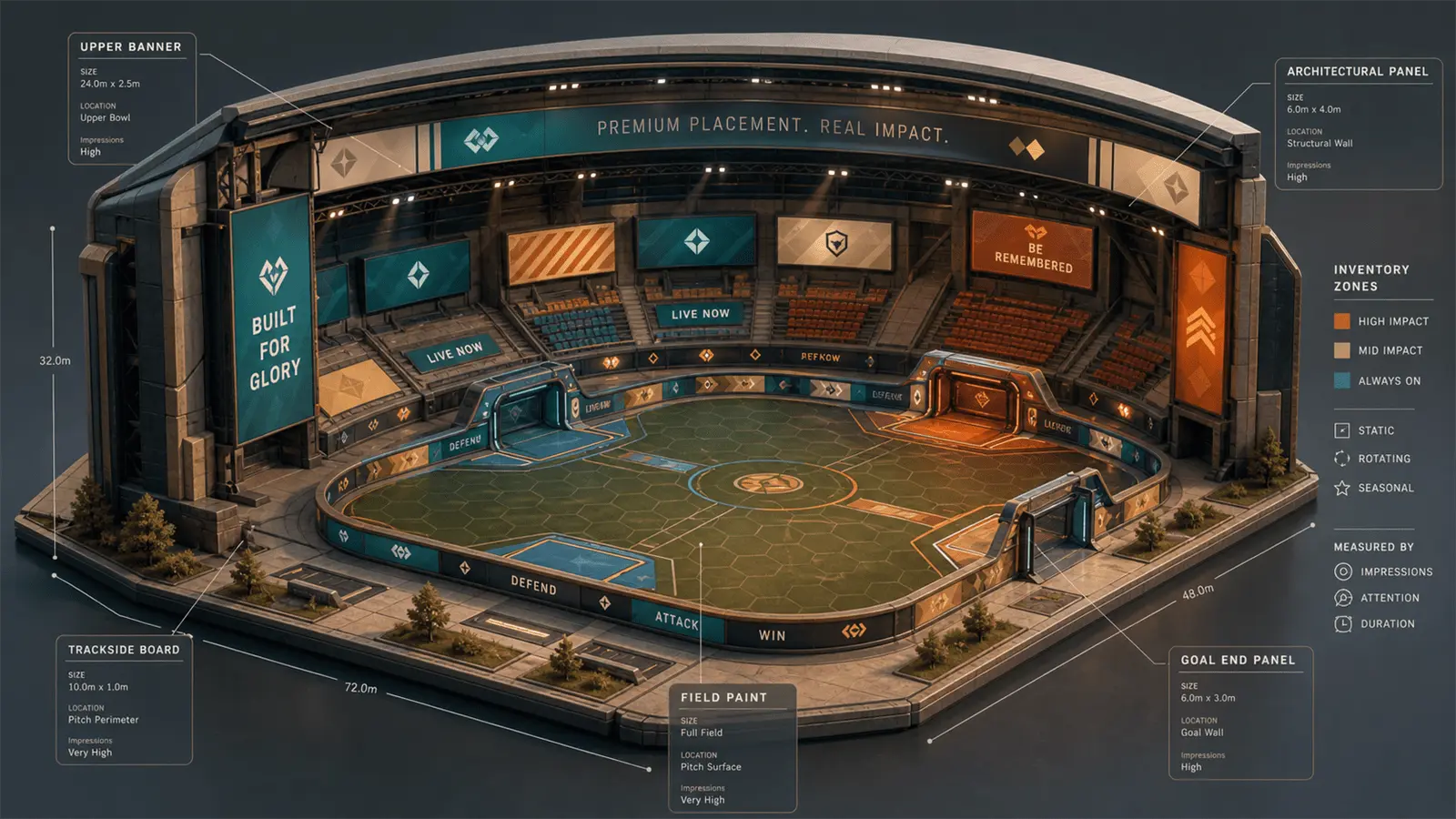
According to Digiday, EA’s advertising unit launched last month and now spans brand partnerships, gameplay integrations, 3D ad units in sports simulations, and an internal ad platform designed to make those placements scalable. The company is deliberately holding third-party demand partners at arm’s length while it works out how formats should behave, how measurement should align to IAB expectations, and how player experience can be protected.
That is a meaningful shift. In-game advertising used to be discussed as an add-on or an experimental format. EA is positioning it more like a premium distribution system that can eventually absorb larger video budgets. The pitch is clear: game attention is not passive, and in certain contexts it may be more commercially powerful than TV-style exposure.
Why marketers should take the move seriously
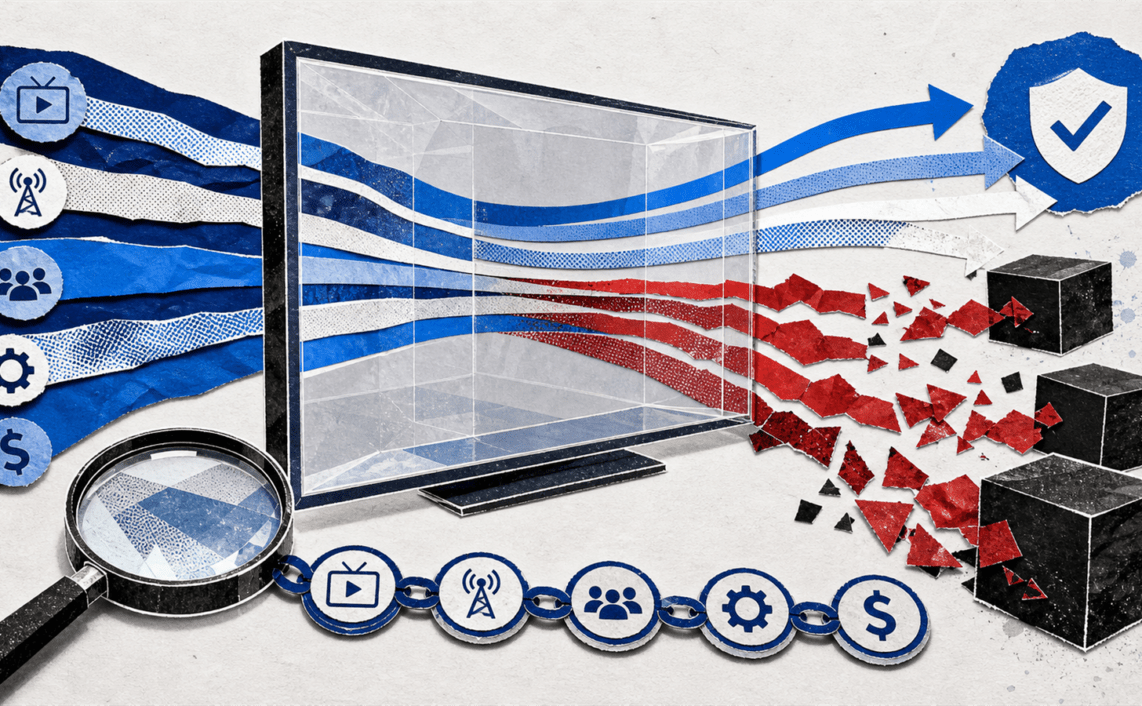
First, this is a signal about where premium reach is going. CTV gave marketers digital buying mechanics in a television-like environment, but it also inherited many of TV’s weaknesses: fragmented identity, unclear frequency control, and sometimes fuzzy links between exposure and business outcomes. Gaming publishers believe they can offer a tighter loop between context, interaction, and measurement.
Second, the battle is no longer just about impressions. It is about whether a platform owns the operating system of the ad experience. If EA controls the ad server, format standards, and the rules for how inventory appears inside gameplay, it can defend pricing, shape reporting, and decide when outside ad-tech intermediaries are useful rather than necessary. That is strategically very different from simply selling sponsorship packages.
Third, the shift matters for brand suitability. A large part of gaming advertising’s slow adoption came from fear: poor placements, ugly creative, and player backlash. By keeping tight control over the early architecture, EA is effectively saying that monetization cannot scale until the experience is intentionally designed. That is a lesson other media owners, not just game publishers, should notice.
What a CMO or media director should ask now
The wrong question is whether gaming is the next CTV. The better question is what role gaming can play that CTV cannot. For some brands, the answer will be younger reach. For others, it will be deeper attention during live sports windows, tournament behavior, or fan moments that are emotionally charged and measurable. The planning frame should start with context and incrementality, not novelty.
Ask your team to map where gaming inventory could complement existing video plans rather than duplicate them. Which campaigns depend on broad reach? Which need active engagement? Which suffer from frequency waste in streaming environments? Which product launches benefit from community, interactivity, or repeated exposure around specific sports or entertainment moments?
Budget owners should also insist on a stricter evidence model before shifting real spend. Watch three things closely: whether the platform can prove valid exposure rather than background presence, whether it can connect that exposure to downstream brand or commerce outcomes, and whether the creative format respects the environment enough to avoid backlash. Premium pricing is defensible only if all three hold.
The operating lesson behind the headline
The larger management lesson is that attention alone is no longer enough. Every ambitious media owner is trying to move from selling space to selling a system: data, context, measurement, and closed-loop proof. Retail media did it with shopper data. CTV is trying to do it with household signals. Gaming now wants to do it with immersion and interaction.
That makes this more than a gaming story. It is a story about how premium media is being rebuilt around owned infrastructure. Brands that understand that shift early will negotiate more intelligently, demand better proof, and spot new pockets of high-value inventory before they become expensive default buys.