Salesforce and Anthropic’s late-August announcement around Claude and Salesforce should not be read only as another AI feature release. For marketing and revenue teams, it raises a more durable operating-model question: which CRM work should move into a conversational layer, and which work still needs the governed structure of the record, workflow and approval screen?
The difference matters because CRM is not a note-taking app. It contains customer commitments, pricing context, pipeline evidence, consent signals, service history and revenue forecasts. A conversational interface can remove friction, but it can also hide the boundaries that make those records trustworthy.
What Salesforce and Anthropic are signaling
The announcement points toward Claude working with Salesforce context and business skills. In plain terms, the interface is becoming less fixed. A user may ask for a summary, prepare an account plan, draft an outreach step or reason across customer data without manually opening every object in the CRM.
That is useful when the task is repetitive, evidence-based and easy to review. It is risky when the action changes a customer promise, updates a sensitive field or creates a downstream sales or service obligation without a clear approval path.
The interface question for marketing operations
Marketing operations teams often evaluate tools by adoption: will users actually log in and complete the process? Conversational CRM changes the adoption problem, but it does not remove the governance problem. If the assistant becomes the front door, the team has to decide what the front door is allowed to see and do.
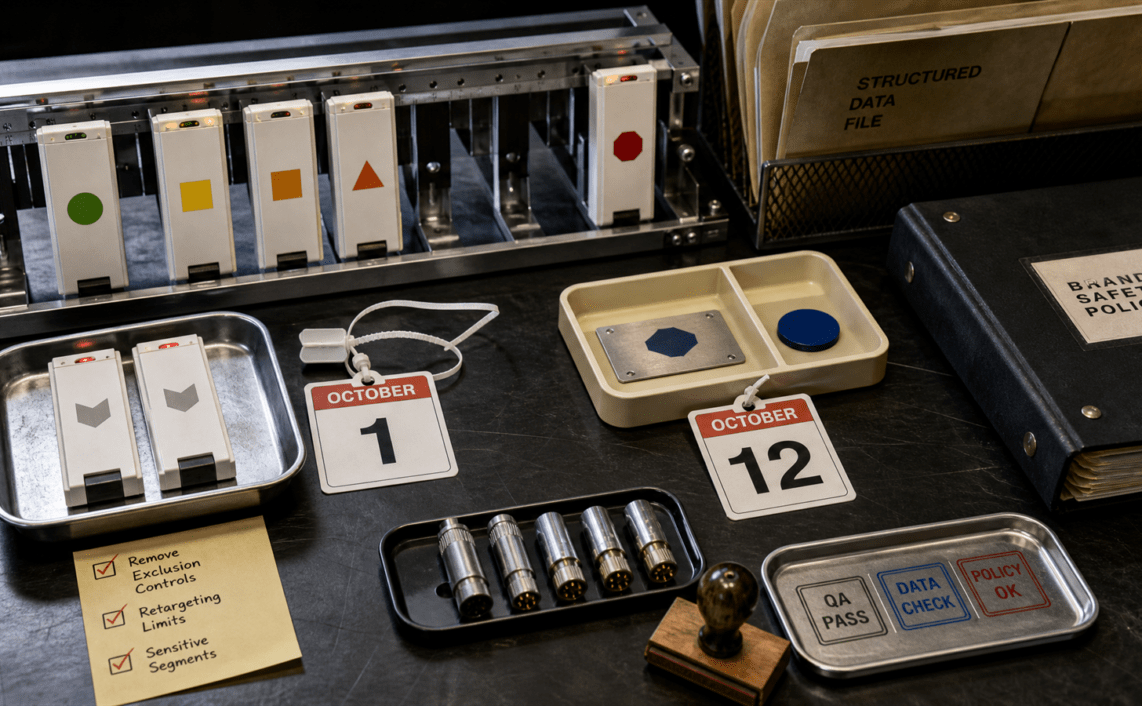
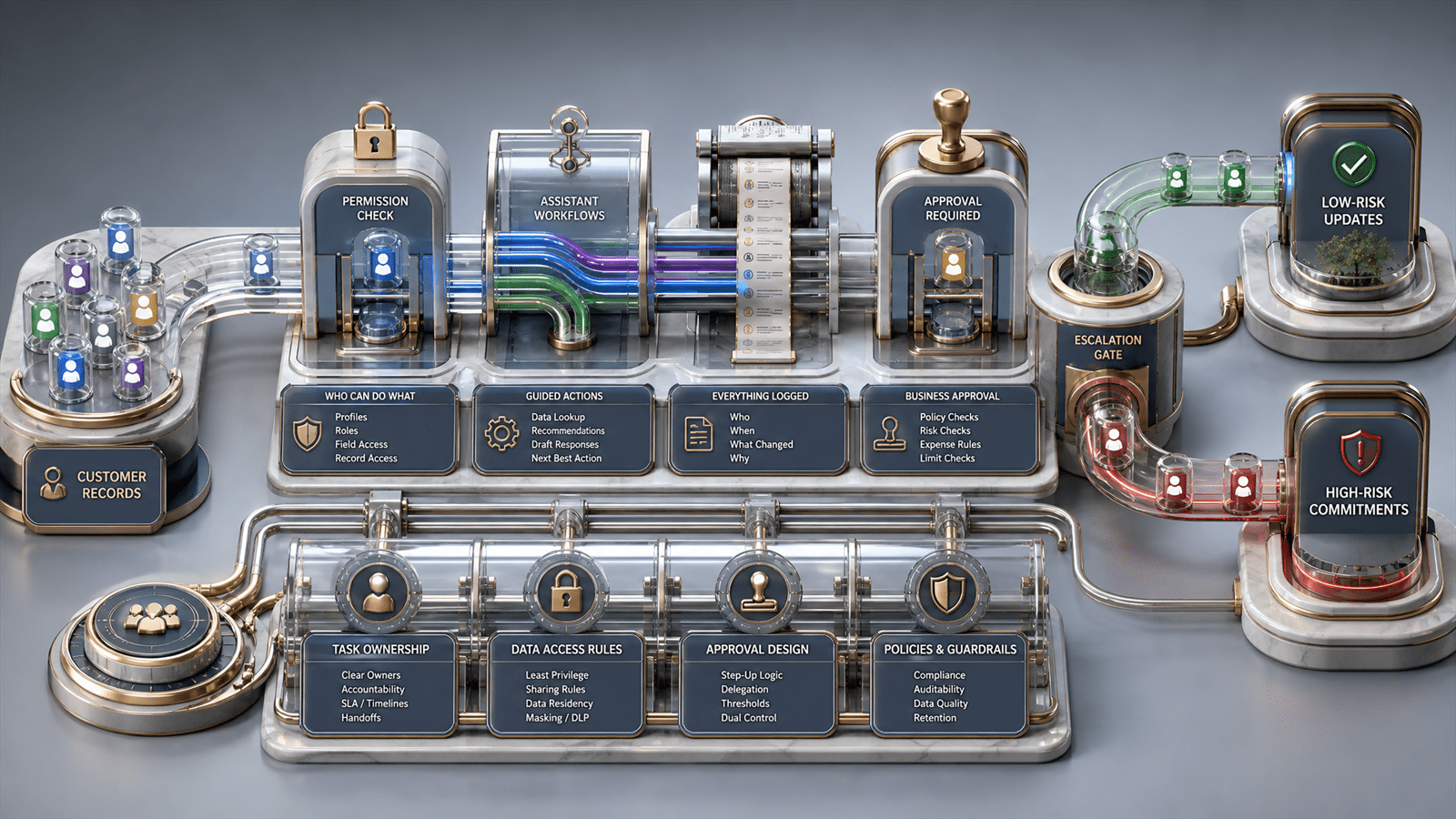
A practical model starts with three task classes. Low-risk tasks include summarizing campaign history, finding recent engagement, drafting an internal brief or explaining why a contact entered a segment. Medium-risk tasks include preparing an email, suggesting next best actions or updating non-sensitive fields. High-risk tasks include changing consent status, applying discounts, sending commitments, altering lifecycle stages or triggering customer-facing workflows.
A risk model for conversational CRM tasks
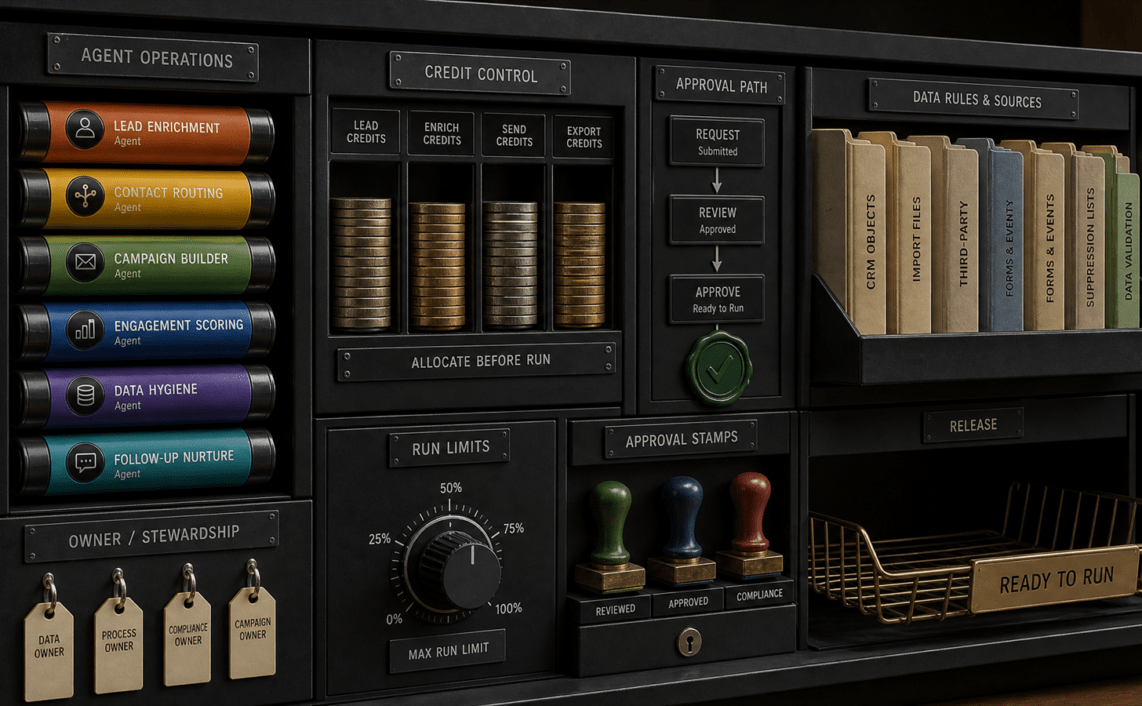
Each class needs a different control. Low-risk tasks can be fast if the source records are cited. Medium-risk tasks should require a preview and named owner. High-risk tasks should keep a hard approval checkpoint and an audit trail before anything reaches the customer or changes a commercial record.
This is where many AI pilots fail. The demo shows a clean answer, but the implementation lacks field-level permissions, escalation rules, human accountability and a rollback plan. The result is either unsafe automation or a tool that teams are afraid to use.
What to measure after launch
Prompt volume is a weak KPI. Better measures are workflow completion quality, reduction in manual handoffs, percentage of assistant outputs accepted after review, correction rate by task type, time saved on evidence gathering and the number of escalations that happened before a risky action.
Marketing should also monitor data hygiene. If the assistant repeatedly produces incomplete recommendations because campaign names, lifecycle stages or account notes are inconsistent, the real project is not prompt training. It is CRM discipline.
The CMO decision
The CMO should not ask whether Claude inside Salesforce feels impressive. The decision is whether the team has enough process maturity to move work into a conversational interface without losing control of customer data and commercial commitments.
Start with low-risk research and preparation tasks. Expand to customer-facing actions only when permissions, approvals, measurement and escalation are visible. The interface can become simpler for users only if the operating model underneath becomes more explicit.