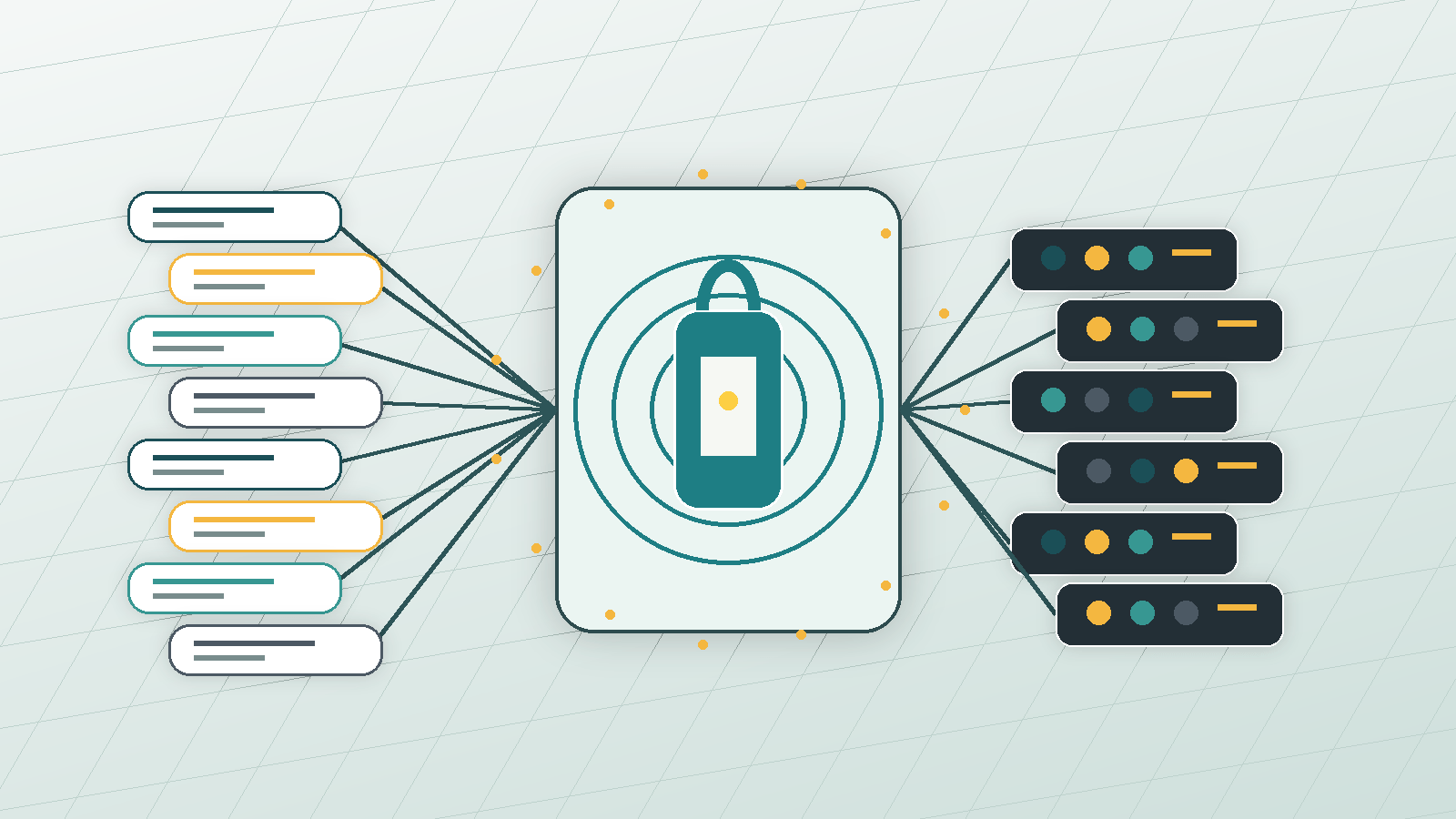
Snap has launched the Snap Ads MCP Server, an official connection that lets approved artificial intelligence agents work with Snap Ads data. Social Media Today reported the rollout on August 4, and Snap’s own documentation says the server supports Claude, ChatGPT and Gemini. At launch, every approved connection is read-only. Future write access will be controlled separately by organization administrators.
That detail matters more than the novelty of asking a chatbot about campaign performance. The real shift is that ad-platform data is moving into the same workspace where teams already analyze, summarize and plan. Once that happens, campaign governance can no longer sit only inside Ads Manager. It has to cover the external agents that can see, interpret and, eventually, change campaign settings.
Why this is an operations issue, not just an AI feature
Snap describes the use case simply: marketers can ask an AI tool to summarize active campaign performance, spot week-over-week changes, review diagnostics or identify patterns from the last 90 days. That can remove tedious reporting work. It can also make planning faster because the assistant has context from the actual account rather than a pasted spreadsheet.
But every convenience creates a control question. Which accounts can the agent see? Which users can authorize it? Is the connection approved for one experiment, one client, one market or the whole organization? A media team that answers those questions after adoption has already lost part of the governance battle. The right starting point is an access model.
Read-only should become the default test mode
Read-only access is a useful design choice because it lets teams learn without handing over campaign control. Use that phase deliberately. Ask whether the agent produces useful summaries, whether it misreads naming conventions, whether it understands the difference between a live campaign and a test, and whether its recommendations match the team’s business constraints.
That learning should be documented before write access arrives. Keep a register of connected agents, owners, account scope, user permissions, review date and allowed use cases. If an agency manages the account, the register should state who can approve a connection on behalf of the client and who is responsible when the assistant surfaces a wrong conclusion.
A practical AI-agent access checklist
- Start with read-only access for every agent and account.
- Limit authorization to organization administrators who understand media risk.
- Map each connection to a business owner, not only a technical user.
- Define which recommendations require human review before budget, audience or creative changes.
- Log important assistant outputs when they influence a campaign decision.
This is not bureaucracy for its own sake. It is the same discipline marketers already apply to pixels, product feeds, CRM exports and clean rooms. When data moves, responsibility has to move with it. MCP connections are simply making that movement more visible.
Prepare for write access before it exists
Snap says administrators will be able to decide which AI agents remain read-only and which receive read and write access when those capabilities become available. That is the moment where curiosity becomes operational risk. A wrong summary is annoying. A wrong automated campaign change can move budget, distort tests or damage a client relationship.
The useful position is not to reject AI agents. It is to require a release path. Before allowing write access, define what the agent may change, what it may only draft, what needs approval, and which changes are never delegated. If those rules feel too hard to write, the organization is not ready for agentic campaign control.
For CMOs and agency leaders, Snap’s MCP launch is a signal that ad operations is becoming more connected and more porous. The teams that benefit will not be the ones that connect every tool first. They will be the ones that treat AI access as a governed operating layer: useful for insight, constrained by permissions and accountable before it touches spend.
Source References
- Social Media Today: Snapchat offers third-party AI ad integration
- Snapchat for Business: The Snap Ads MCP Server Is Now Live