Many brands use nostalgia as decoration: an old song, a grainy filter and a reference designed to trigger recognition. Gap’s new Hailey Jean capsule is more instructive because the 1990s idea is carried through the product, casting, price, film and launch timing. The result is not merely a retro campaign. It is a coordinated commercial system.
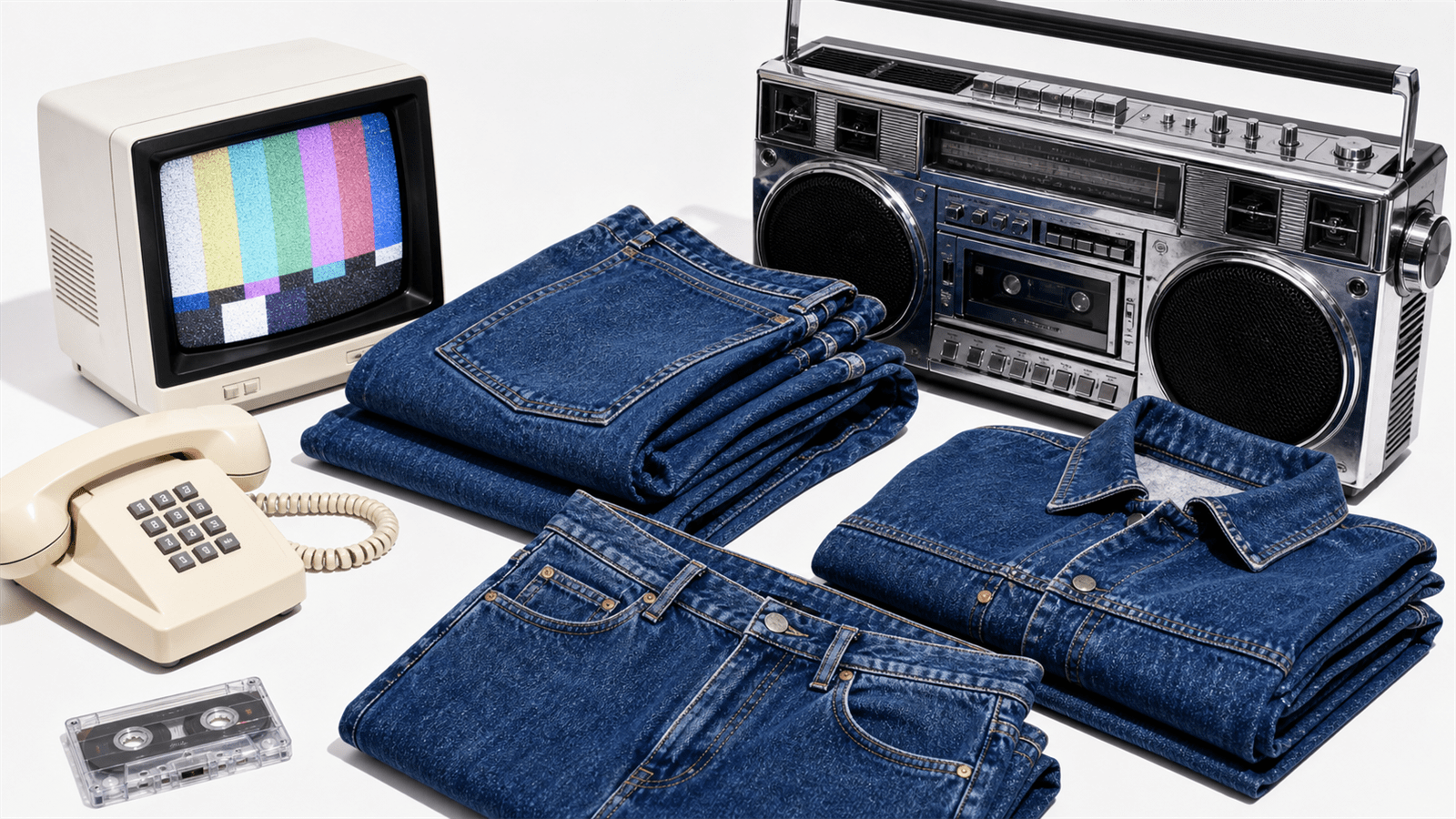
The limited edition launched July 16 with two fits, six washes and details tied to 1996, priced at $89. The campaign film adds a boombox, CRT television, corded telephone and desktop computer, while The Cranberries’ “Linger” supplies an immediate cultural cue. Hailey Bieber brings credibility from contemporary fashion rather than appearing as a generic celebrity endorsement.
Nostalgia fails when it lives only in the ad
A retro visual can win attention, but it cannot repair a product that has no connection to the memory being activated. If the ad promises a specific era while the item, retail experience and creator partnership feel interchangeable, the reference becomes costume. Consumers recognize the tactic but have little reason to carry it into purchase.
Gap avoids part of that problem by placing the 1996 idea inside the garment details and then using the film to make those details culturally legible. The creative does not ask the audience to admire a mood in isolation. It gives the mood a product to attach to.
Why the system is commercially coherent
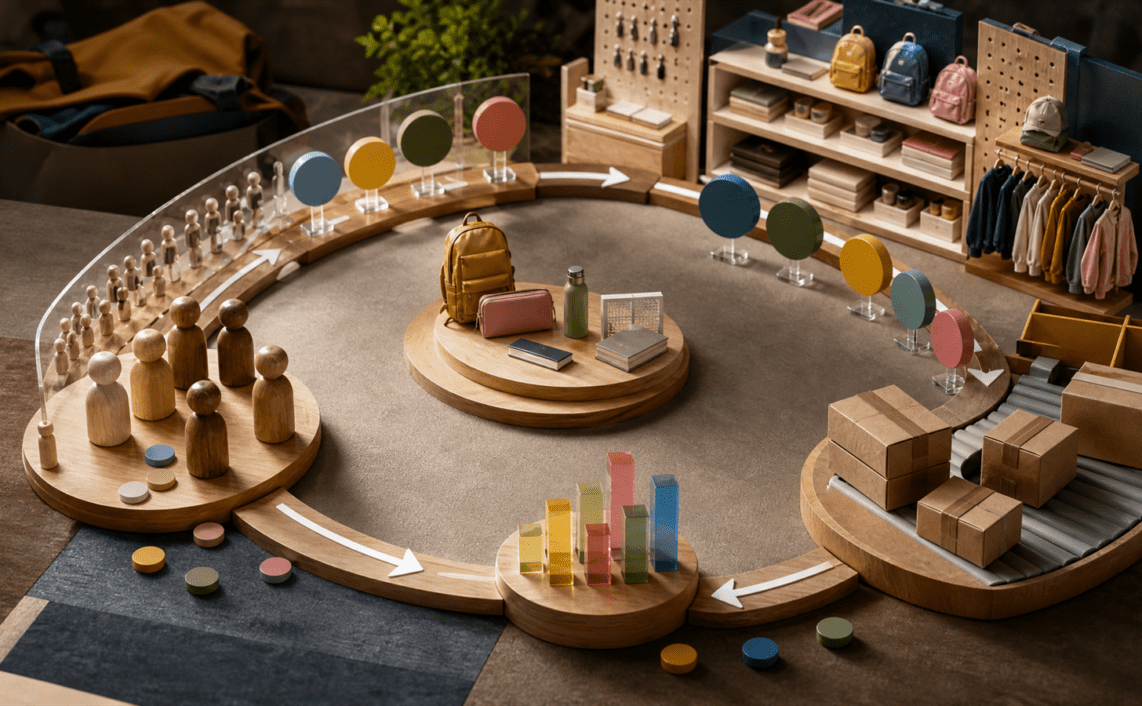
Each component has a job. The product creates scarcity and a tangible reason to visit. The celebrity bridges a heritage brand with a current audience. The music collapses the distance to the era in seconds. The studio treatment keeps the campaign recognizably modern, so it does not become a museum piece. The $89 price keeps the story within an accessible premium frame.
This coherence matters because nostalgia serves two audiences at once. Older buyers receive recognition and emotional familiarity; younger buyers receive a curated version of a period they may know through fashion cycles and social media. The campaign works only if neither group feels that the brand is impersonating someone else.
A practical framework for brands
- Start with an era that has a real link to the product or company history.
- Build the reference into design, naming, packaging or distribution.
- Choose talent with present-day credibility, not only reach.
- Use one or two unmistakable cultural signals instead of a pile of retro props.
- Give the launch a commercial reason to act now, such as scarcity or a new fit.
The useful lesson is not that every brand should revisit the 1990s. It is that memory becomes marketing value only when it is converted into a consistent offer. Nostalgia is strongest when the product can carry the story after the ad has ended.
Sources
- Gap Inc.: Gap and Hailey Bieber introduce The Hailey Jean
- Marketing Dive: Gap continues its 1990s denim strategy