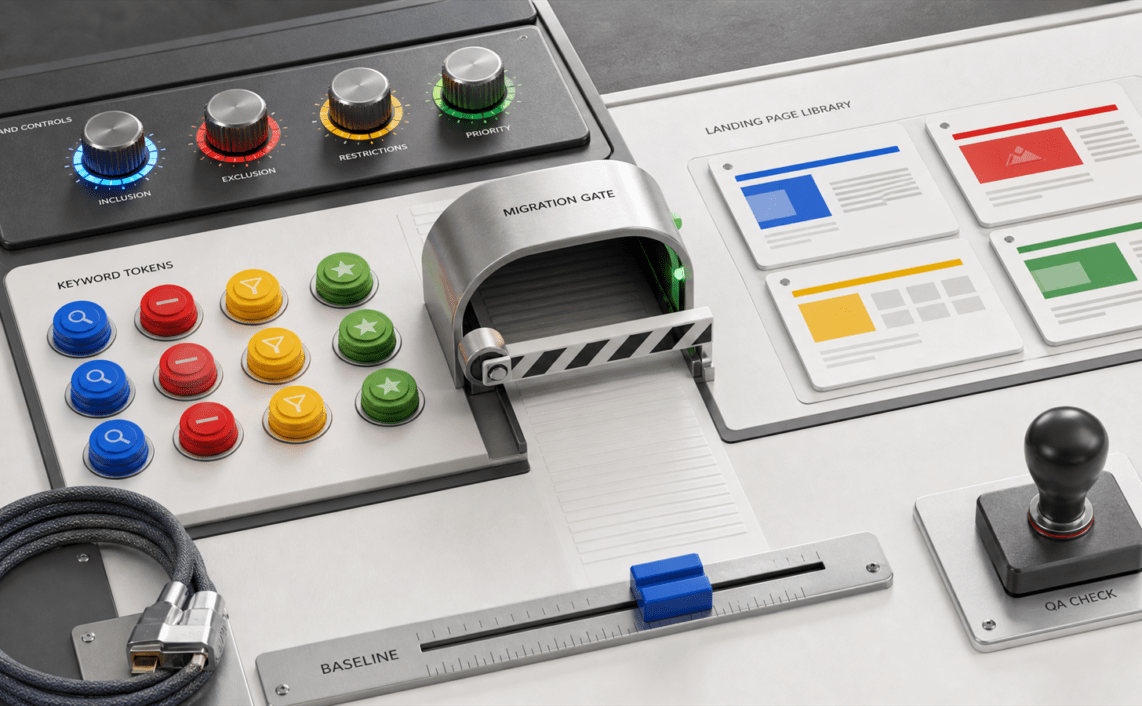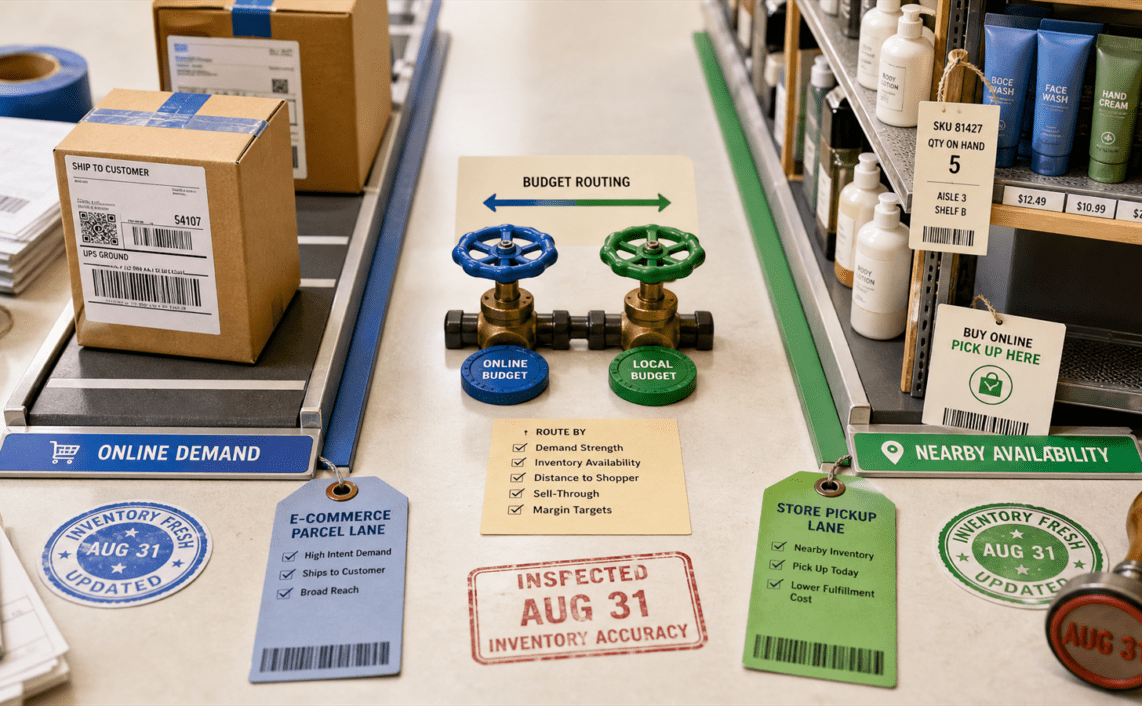
Google Video campaigns appear to have regained a type of lookalike control that many advertisers missed after Demand Gen moved away from manual reach settings. PPC Land reported on 6 September 2026 that Google Ads documentation now describes lookalike groups for Video brand campaigns, with narrow, balanced and broad reach options.
That sounds like a media-buying convenience. It is really a governance question. Lookalikes can quickly move spend away from known customers, site visitors or YouTube engagers into a much wider audience. If the seed list is weak, old, mixed by intent or too small, the extra reach may only make the campaign harder to read.
What changed for planners
Google’s help documentation says lookalike segments are built from seed lists such as customer lists, website or app activity, and YouTube engagement. It also states that lists need more than 100 active matched people and may take time to populate, refresh and show status changes.
The practical difference is the reach choice. A narrow option keeps the lookalike closer to the source list. Balanced and broad options trade precision for scale. That makes the setting a budget lever, not only an audience label.
Why this matters now
Many video advertisers already have first-party lists, remarketing lists and YouTube engagement audiences inside Google Ads. The temptation will be to attach them to Video campaigns and increase reach quickly. The risk is that a list built for retargeting, CRM hygiene or exclusions is suddenly treated as a prospecting signal.
For a CMO, the budget question is simple: should new video reach come from contextual planning, broad demographic buying, custom segments or lookalikes based on owned audiences? The answer depends on whether the source list represents the people you want more of.
A seed-list checklist before scaling
Check intent. Separate converters, high-value leads, purchasers, loyal customers and low-intent visitors. A mixed list may be large enough to run but too noisy to guide a model.
Check recency. A list built from old traffic can describe last year’s market. Refresh windows should match the category cycle: shorter for ecommerce and promotions, longer for B2B or considered purchases.
Check exclusions. Remove refund-heavy buyers, unqualified leads, internal traffic and audiences that represent service issues rather than demand.
Check reach tier by test goal. Use narrow when the question is quality. Use balanced when the question is incremental qualified reach. Treat broad as a separate scale test with its own measurement plan.
Check timing. Build lists several days before launch, because eligibility and status updates are not instant. A launch plan that depends on a same-day audience fix is fragile.
How to test without confusing the result
Do not compare a new lookalike campaign against a mature retargeting campaign. Compare it against another prospecting route with similar creative, budget and conversion window. Keep one clean hypothesis: for example, whether a high-value customer seed can lower qualified-view cost or increase assisted conversions at the same spend.
Creative also matters. A lookalike audience is not a substitute for a clear video offer. If the campaign uses generic awareness creative, weak performance may reflect the message rather than the audience model.
The operating decision
The useful move is to create a reusable lookalike intake process. Paid-media teams should document the seed source, list size, intent level, exclusions, selected reach tier, expected learning period and primary KPI before budget goes live.
That process keeps a promising Google Video control from becoming another hidden automation setting. Lookalikes are worth testing, but only when the business knows which customer signal it is amplifying and what success should look like.