TikTok Shop’s latest packaging rules should be read as a marketing operations update, not only a fulfillment note. PPC Land reported on 6 September 2026 that TikTok Shop’s US seller guidance now bans several forms of package inserts, including review-bait prompts and promotional material that can distort the buyer experience.
For social commerce teams, the parcel is no longer a free space for retention tricks. It is part of the marketplace promise. Packaging quality, unauthorized inserts and post-purchase pressure can influence refunds, reviews, account health and repeat demand.
What the rule changes in practice
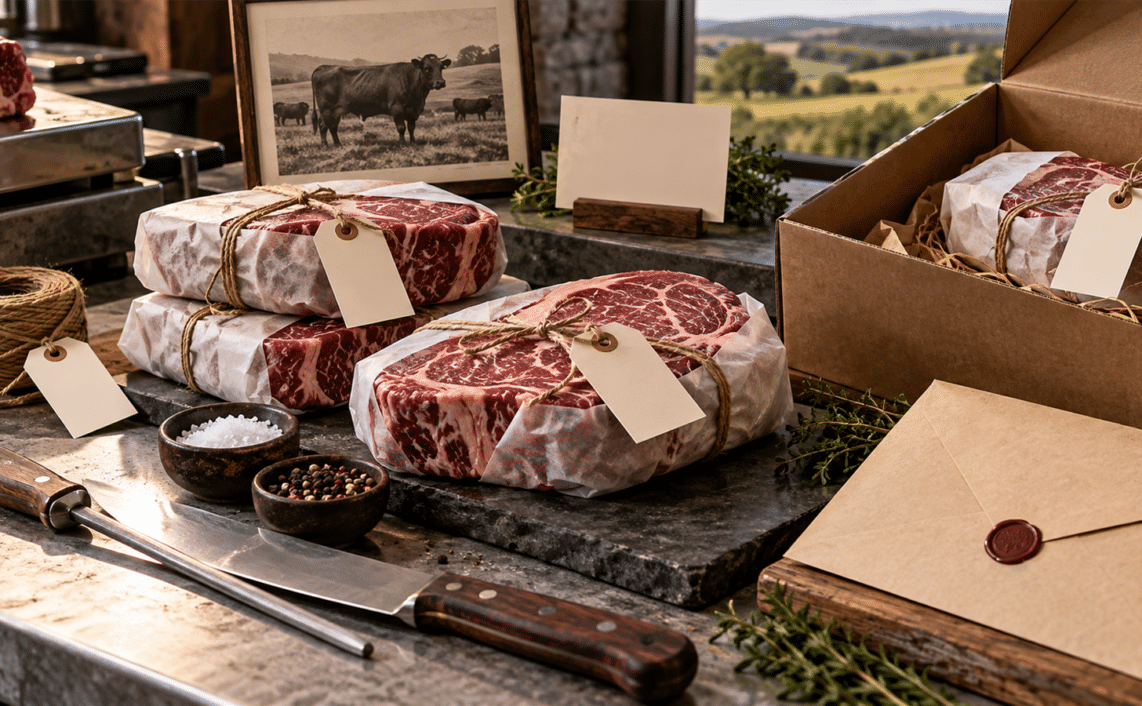
Many ecommerce brands use package inserts to ask for reviews, push a discount code, move customers to another channel or explain care instructions. Some of that activity is harmless in owned ecommerce. Inside a marketplace, however, it can conflict with the platform’s rules and the buyer’s expectation of a clean transaction.
The important shift is that marketing, customer experience and operations can no longer treat inserts as a low-risk afterthought. If the fulfillment team changes a card, the marketplace manager needs to know. If an agency adds a review prompt, compliance needs to check it before boxes leave the warehouse.
A TikTok Shop packaging checklist
Audit every physical insert. List discount cards, thank-you notes, QR codes, review requests, warranty cards, care instructions and third-party materials. Decide which are required for product use and which are marketing.
Separate owned-store habits from marketplace rules. A tactic that works on a direct-to-consumer store may be risky in TikTok Shop. Review requests, off-platform incentives and channel-switching prompts deserve special scrutiny.
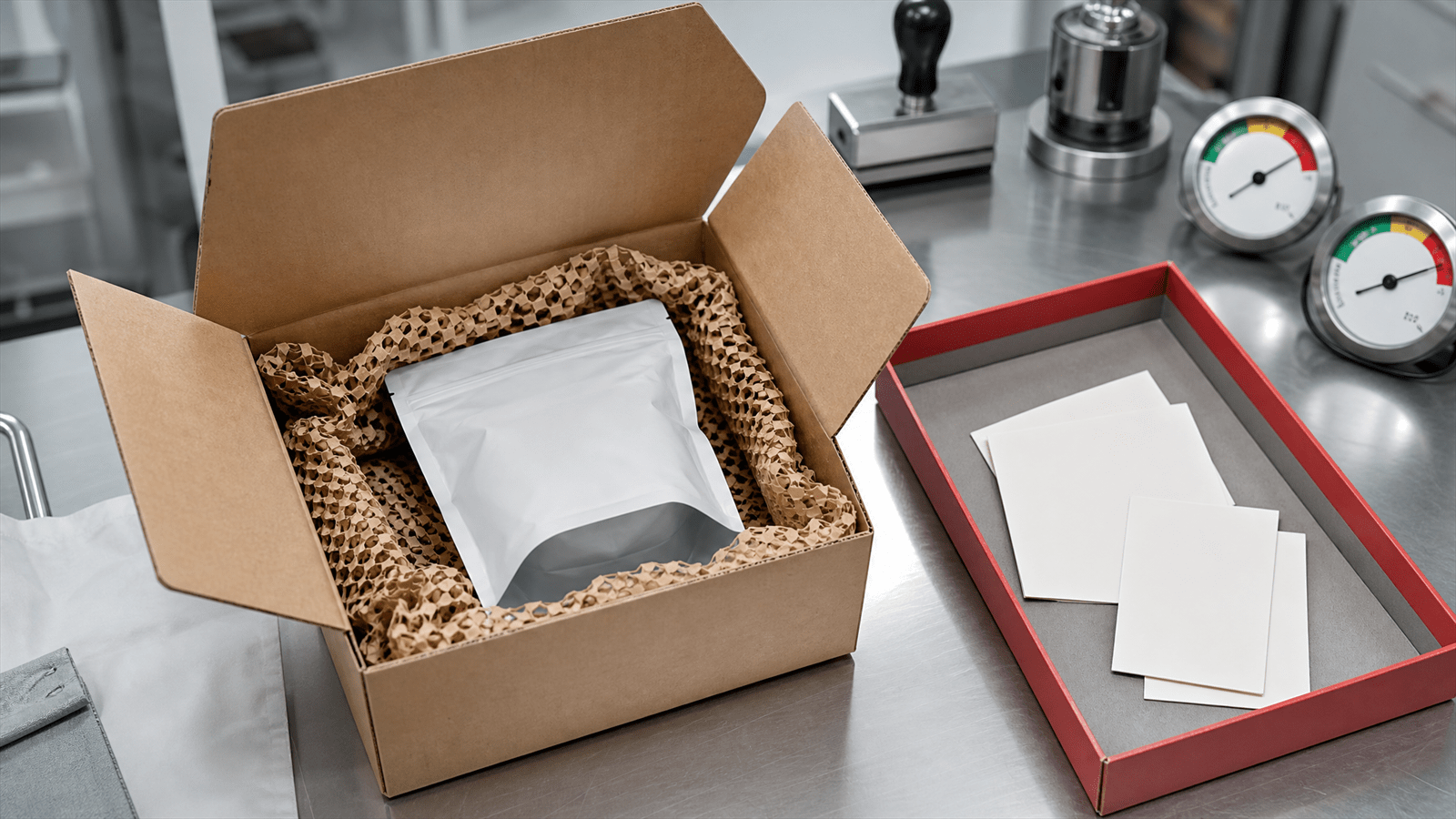
Create one approved packaging kit per SKU group. Sellers should define approved box type, protection, required product documentation, allowed card language and prohibited material. The warehouse should not improvise.
Link packaging QA to account health. Track complaints, damaged-order claims, refund reasons, low ratings and fulfillment defects by SKU and batch. Packaging is a measurable part of marketplace performance.
Train creators and agencies. Social commerce programs often move quickly. Anyone preparing product drops or affiliate bundles should understand that the physical parcel can create policy risk after the campaign goes live.
Why marketers should care
The ban narrows one common retention channel, but it also protects the buyer experience. A customer who discovers a product through short-form video expects the order to feel trustworthy and simple. A box full of pressure tactics can undermine that trust.
There is still room for brand building. Packaging can be clear, protective, recognizable and useful without pushing customers into a review request or off-platform funnel. The better question is not how to sneak more promotion into the box, but how to make the delivery reinforce the promise shown in the video.
The operating model
Brands selling on TikTok Shop should put packaging under the same change-control process as product pages and paid campaigns. Each new insert, card or fulfillment instruction needs an owner, a reason, a policy check and a dated approval.
That may sound heavy for a small card in a box. In marketplace commerce, however, the card is part of the channel. Treating packaging as a controlled marketing asset reduces avoidable policy risk and gives teams a cleaner view of what actually drives ratings and repeat purchases.