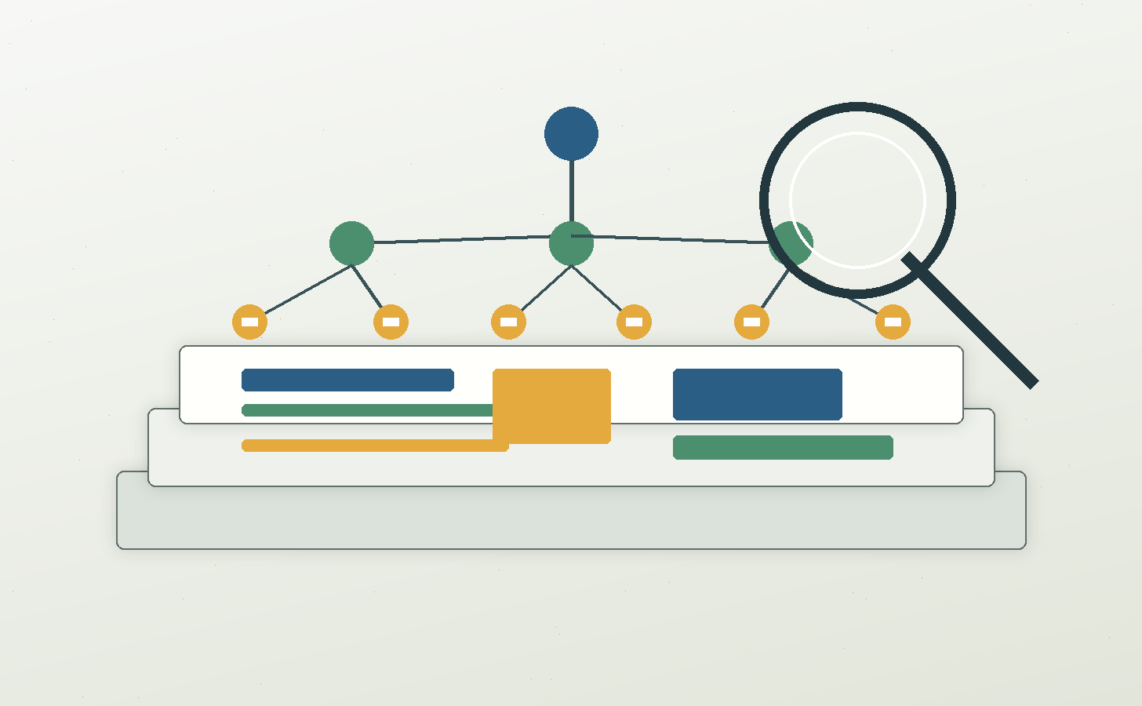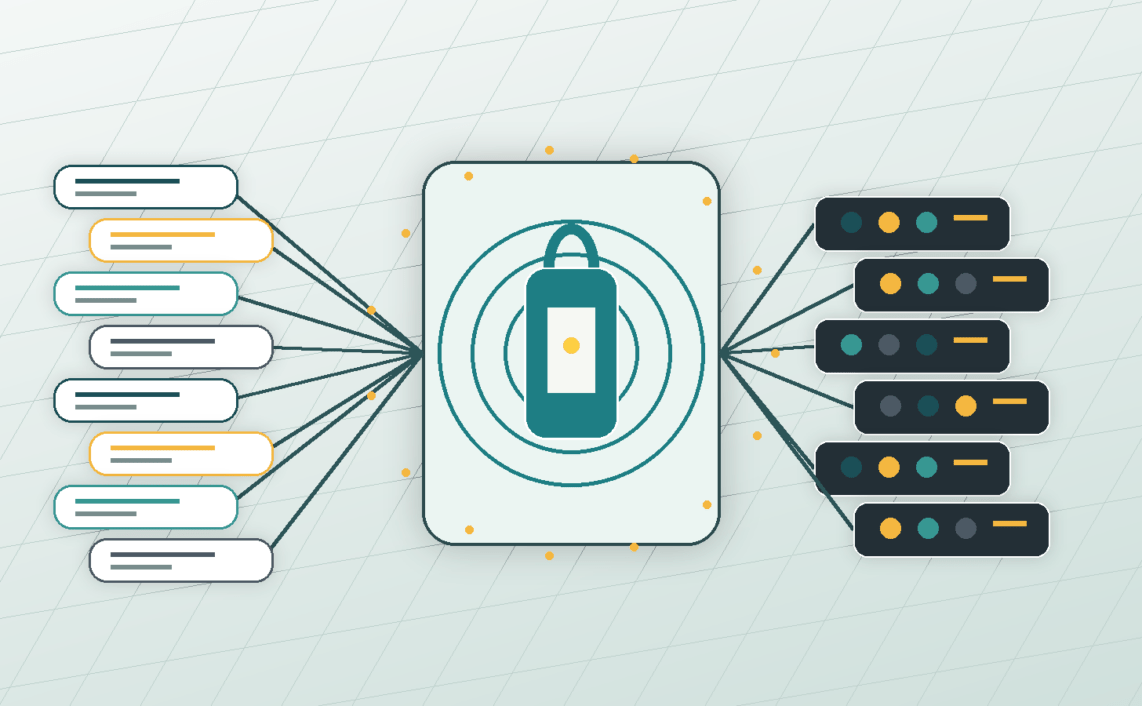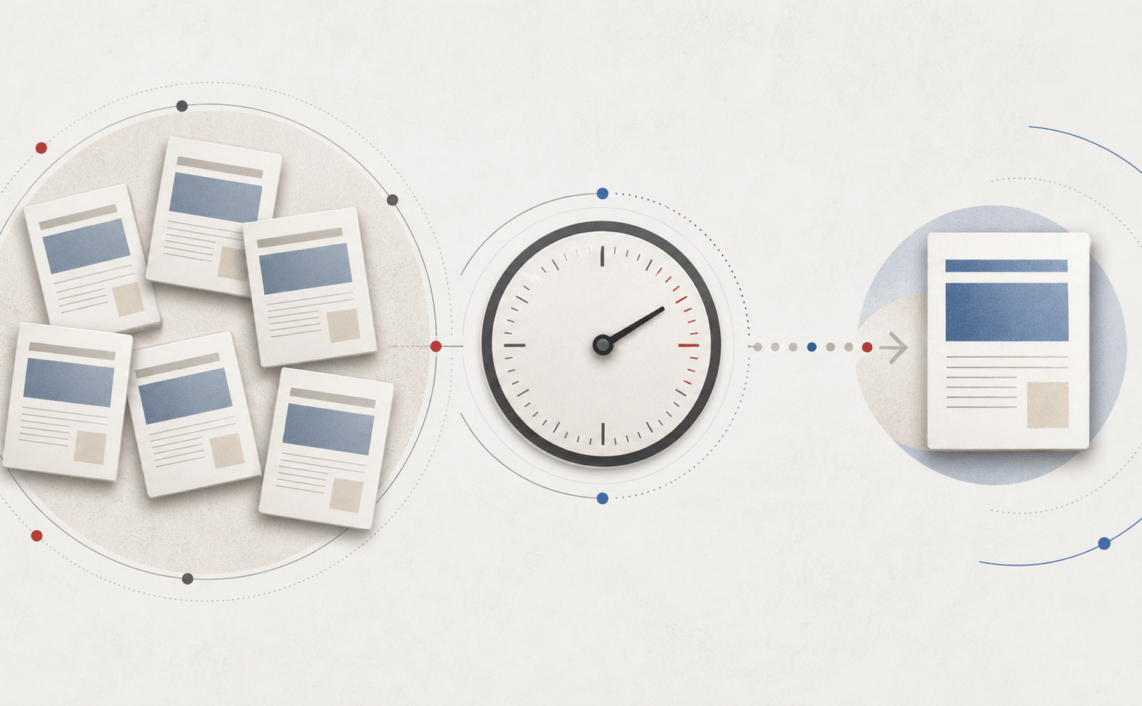
Shared Claude conversations recently appeared in Google, Bing and other search results. The incident was not a search-engine breach. Users could create public URLs for conversation snapshots, and those URLs became discoverable. The episode illustrates a recurring technical mistake: a page can feel private to a user while remaining public and indexable on the open web.
For marketing teams, the risk extends beyond chatbot conversations. Preview pages, campaign drafts, customer portals, research repositories and shared reports often use obscure links as if obscurity were access control. Once another page links to such a URL, a crawler or third-party service can discover it.
Access, crawling and indexing are three different controls
Authentication determines who can retrieve a page. A robots.txt rule asks compliant crawlers not to fetch a path. A noindex directive tells a crawler that retrieves the page not to place it in search results. These mechanisms are related, but they are not substitutes.
A common error is to block a page in robots.txt and also add noindex. If the crawler cannot fetch the page, it cannot read the noindex instruction. The URL may still appear in results when external links reveal it, even if the engine cannot show a normal snippet. Sensitive material should be protected by authentication or removed, not merely hidden from crawling.
Inventory every public sharing feature
Ask product, marketing operations and IT to list tools that create shareable URLs: AI assistants, document platforms, analytics dashboards, design reviews, landing-page previews and support systems. For each one, record whether links expire, require authentication, can be indexed, expose customer data and can be revoked centrally.
Test the behaviour rather than trusting interface language such as “private link.” Open a link in a signed-out browser, inspect response headers and page metadata, check whether it appears in a sitemap and search for known URL patterns. Repeat the review after major vendor changes.
Set a safe publication pattern
Confidential or personal content should sit behind real authorization. Temporary previews should expire and use unpredictable tokens, while also sending noindex headers as defence in depth. Public pages intended for sharing should display a clear warning before creation and offer a one-click revoke action.
When an accidental exposure occurs, remove access first. Then request search removal, return an appropriate status or add a crawlable noindex response, inspect logs and identify incoming links. Search-engine removal tools can accelerate cleanup, but they do not repair the underlying publication state.
Give marketing a data-handling rule for AI tools
Teams need a short policy they can apply during real work. Do not place personal data, unreleased financial information, credentials, client secrets or confidential strategy in consumer AI tools unless the approved account and contract explicitly protect that use. Treat a generated sharing link as publication, not collaboration.
Assign ownership across functions. Security defines sensitive data, legal sets contractual boundaries, IT manages approved tools, SEO verifies discovery controls and marketing operations trains users. Add shared-link exposure to incident exercises alongside misconfigured cloud folders and public documents.
The enduring lesson is simple: “not listed in navigation” does not mean private, and “blocked from crawling” does not mean removed from search. Design sharing so the access model matches the sensitivity of the content, then verify the technical signals from outside the logged-in experience.
Sources
- Search Engine Land: Google indexed Claude chats
- Google Search Central: Block search indexing with noindex