Target’s new chief marketing and guest experience role is more than a people move. It is a useful case study in how retail marketing is changing. The modern retail CMO is no longer being asked only to create demand. Increasingly, the role is expected to connect how customers discover, shop, return, join loyalty programs, encounter marketplace assortment and see retail media.
Target announced on Sept. 14 that Mark Weinstein joined as chief marketing and guest experience officer, reporting to CEO Michael Fiddelke. The company said he will help shape connected experiences across discovery, shopping, culture and communities. The remit also includes Roundel, Target’s retail media network, and Target+, its curated marketplace. Customer Experience Dive covered the appointment on Sept. 16, emphasizing the same combined responsibility for consumer experience and brand connection.
The operating model behind the title
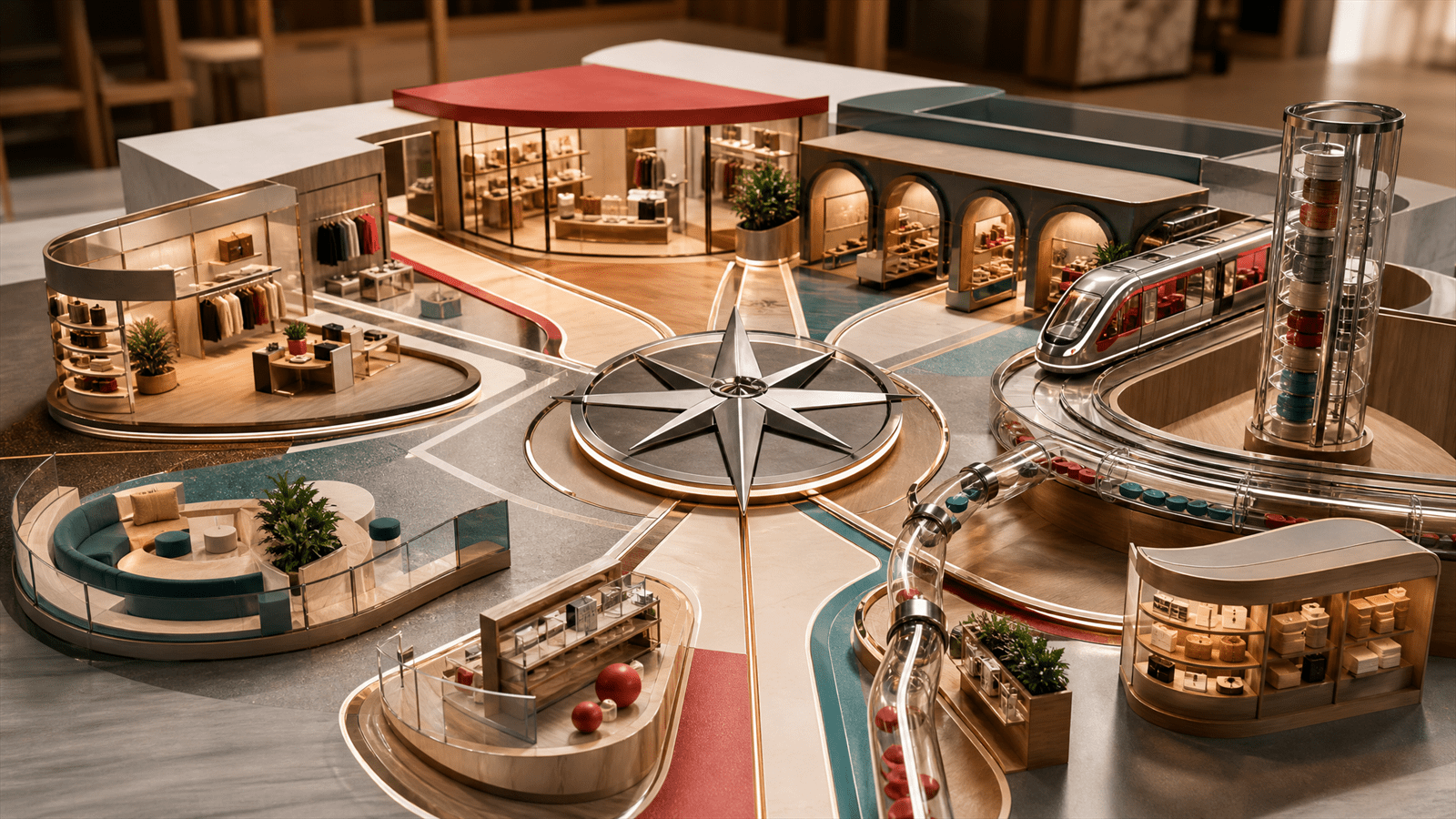
The important signal is not the title itself. It is the grouping of responsibilities. Brand, guest experience, retail media and marketplace can easily become separate agendas. Brand wants emotional consistency. Ecommerce wants conversion. Retail media wants monetizable audiences. Marketplace wants assortment depth. Store and service teams want fewer broken promises. Customers, however, experience all of it as one retailer.
Putting these surfaces closer together does not solve the work automatically. It does create a clearer place to ask cross-functional questions. Does a retail media campaign send shoppers into an assortment the retailer can actually fulfill? Do marketplace additions improve discovery or create trust risk? Does loyalty data personalize the experience or merely target more messages? Does cultural marketing create reasons to prefer the brand beyond price?
A diagnostic for other retailers
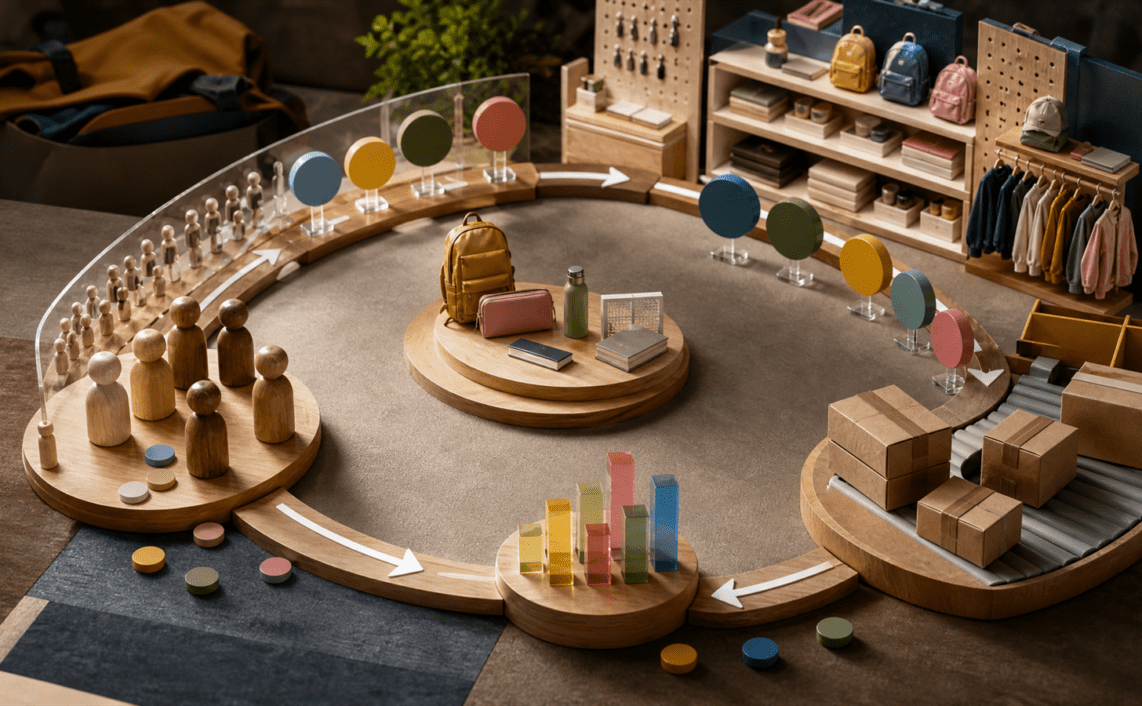
Retailers do not need Target’s exact structure to learn from the move. They need a diagnostic. First, map customer promises by stage: discovery, comparison, purchase, fulfillment, service and return. Then list which team owns each promise and which metric can reveal a failure. If the promise is “easy inspiration,” the metric may include search behavior, product-page engagement and store visits. If the promise is “trusted value,” it may include price perception, promotion clarity and return friction.
Second, connect media to experience capacity. Retail media can be profitable, but it can also advertise categories where the experience is not ready. Marketplace expansion can improve assortment, but it needs content standards, delivery expectations and customer-care rules. Loyalty can improve personalization, but only if preferences, permissions and product availability are aligned.
The lesson for CMOs
The broader lesson is that retail marketing is becoming an operating discipline. Campaigns still matter, but the campaign is now only one part of a system that includes data, service design, assortment, media monetization and customer trust. A CMO who cannot influence those areas will struggle to protect the brand promise. A CMO who owns them without clear governance may become the person blamed for every operational failure.
The practical middle ground is a shared operating cadence. Marketing, ecommerce, retail media, loyalty, merchandising and customer experience should review the same friction points and decide which promise matters most in the next cycle. Target’s appointment does not prove the model will work. It does show the question retailers need to answer: who is accountable for making the brand feel connected after the ad click?
Source References
- Target: Target Names Mark Weinstein Chief Marketing and Guest Experience Officer
- Customer Experience Dive: Target hires ex-Hilton CMO as chief marketing and guest experience officer