Burger King announced Rebuild My BK on November 17, inviting US guests to report the condition of local restaurants. The programme is scheduled from November 16 to January 5, 2027. The useful brand lesson is the connection between a public invitation to speak and an operational decision. Collecting responses is only the opening step; a credible programme needs a way to assess, route and explain what follows.
The invitation has a deliberately limited promise
The company’s terms say guest feedback is one factor in future remodeling decisions. They do not promise which restaurants will be remodeled, how many or when. Eligible Royal Perks members can earn 100 bonus Crowns for a submission under the terms. Earlier outreach generated 120,000 calls, according to Burger King; those are not votes in the new programme. These distinctions prevent a listening initiative from being mistaken for a binding public ballot.
For another retailer, the first design task is to write the promise in plain language. Are customers flagging maintenance problems, proposing an investment or choosing a guaranteed benefit? Those are different invitations with different obligations. Put the actual commitment beside the submission form and repeat it in campaign materials. A legal qualification hidden at the bottom cannot do all the work of setting expectations.
Convert a comment into an assessable location issue
A useful operating record could contain the location, observed problem, date, available evidence and permission to follow up. Assign a responsible operational owner. Separate an urgent repair from a suggestion for a larger renovation; they need different handling. This is a proposed framework for retailers, not a description of Burger King’s internal workflow. The point is to prevent a specific problem from disappearing inside a general sentiment total.
Validate repeated reports before treating volume as priority. One person may submit more than once, some locations may have more visitors, and a campaign can make certain problems more visible. A submission incentive is another reason to examine what responses represent. None of that makes feedback worthless. It means investment choices should combine it with site assessment, feasibility and the organization’s own commercial and service criteria.
Give customers an honest decision state
Define a small set of statuses that operations can actually maintain: received, under assessment, assigned for repair, scheduled or closed with an explanation. Do not label a proposed project approved before the accountable owner has made that decision. Where a renovation cannot be promised, explain the review boundary and what information will be available. Silence after an enthusiastic invitation leaves customers to invent their own account of what happened.
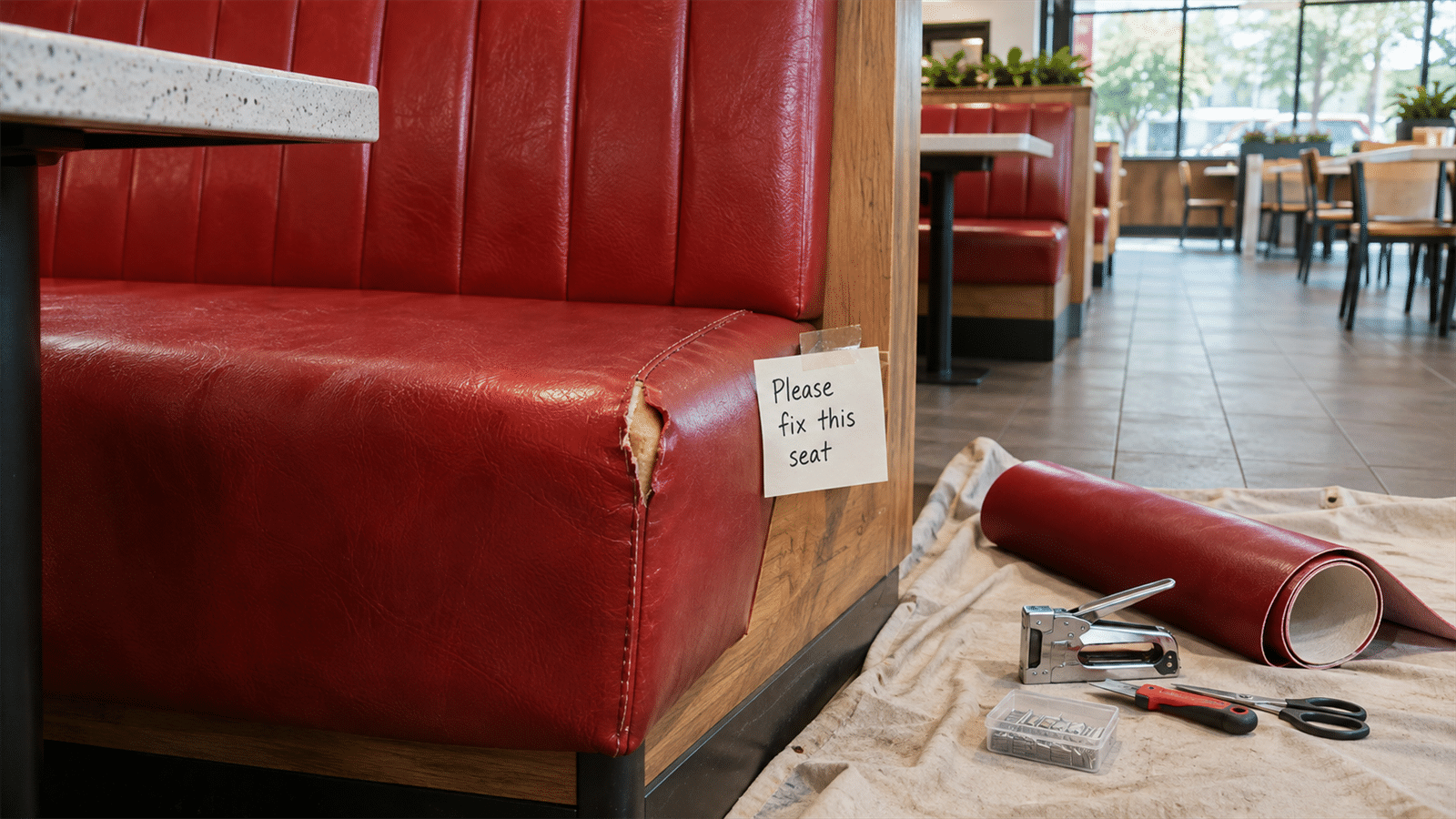
Marketing should plan how to communicate a verified improvement, with the operational owner confirming that it exists. A close-up photograph of a repaired seat or a documented accessibility improvement can make a response concrete when appropriate. Obtain the necessary permissions and avoid exposing a complainant’s personal details. The useful content is the resolved problem and its evidence, rather than a celebration based only on the number of comments collected.
Measure the loop from report to resolution
Track the share of valid issues assigned to an owner, time to first assessment, time to the relevant decision and repeat reports after closure. Use comparable location cohorts when interpreting change, and keep unresolved cases visible. These are suggested operating measures, not published Burger King results. A high response count measures participation; it does not by itself show that the experience improved or an investment produced a return.
The campaign’s fresh launch cannot explain sales increases that happened before it. Likewise, a later improvement in sales would need its own evaluation before being attributed to feedback. The strategic opportunity is more immediate: connect the brand’s invitation to an accountable decision and a truthful update. For retail marketers, that makes listening something the organization can complete, rather than a communication moment that ends at the form.
Sources
- Burger King: Restaurant modernization and guest feedback
- Marketing Dive: Burger King’s feedback campaign