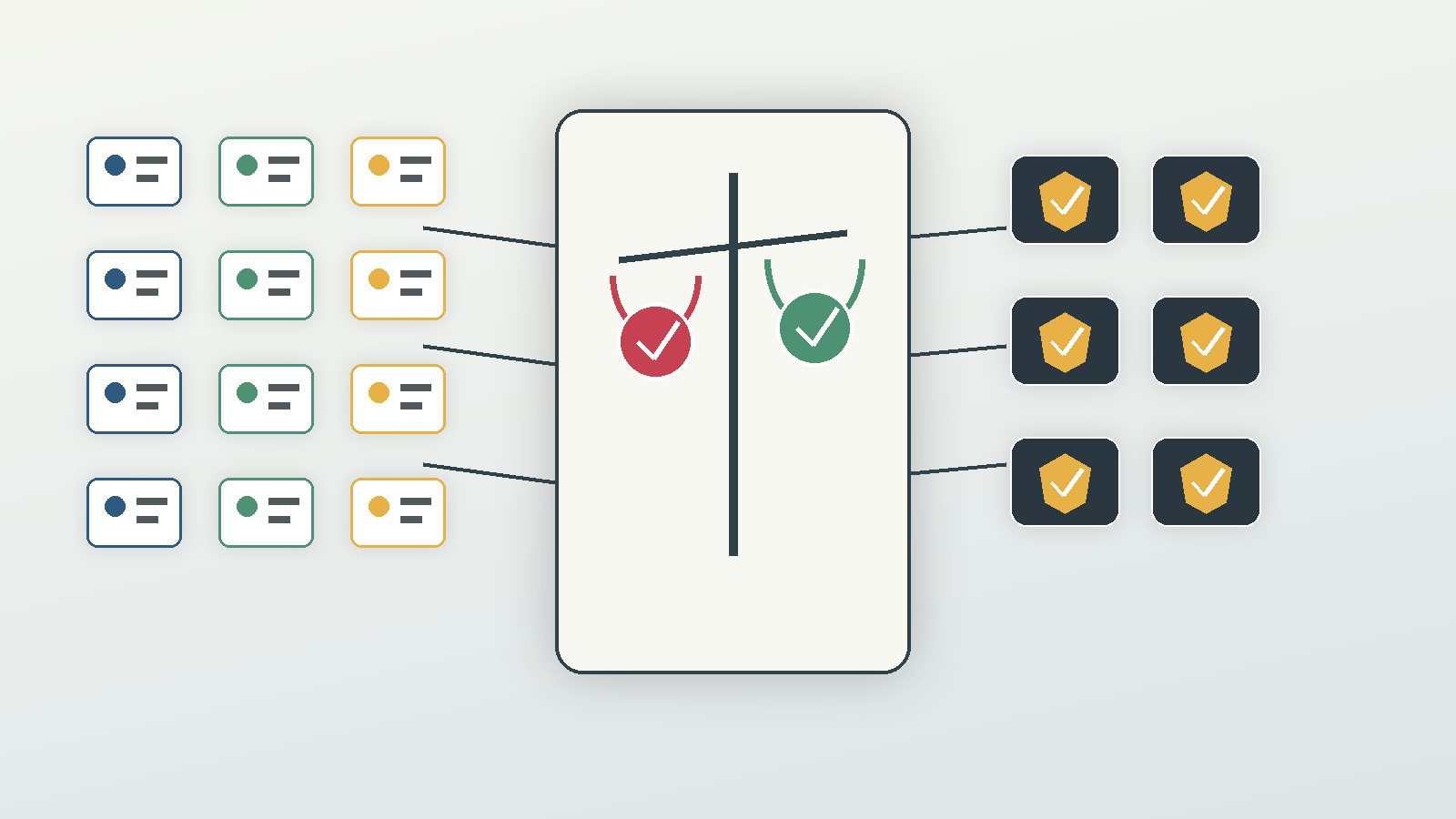
Nielsen announced on August 6 that it will acquire DoubleVerify in an all-cash transaction valued at about $2.15 billion. DoubleVerify shareholders are set to receive $13.60 per share, and the companies expect the deal to close in the first quarter of 2027, subject to shareholder and regulatory approval.
For CMOs and media directors, the important point is not the deal price. It is the direction of the stack. Nielsen already sells audience measurement, planning and outcome intelligence. DoubleVerify adds verification signals around viewability, invalid traffic, brand suitability and delivery quality. If the acquisition closes, a larger independent vendor will be able to package audience and quality signals closer together across TV, CTV, social, mobile and digital environments.
Why this affects media budgets
Media quality used to be handled as a protection layer: buy the media, then verify whether impressions were viewable, human and suitable. That separation still matters, but automated buying has made it more expensive to reconcile signals after the fact. The buying algorithm optimizes quickly; the finance team wants clean proof; the brand team wants fewer unsafe contexts; the agency wants operational consistency. Fragmented measurement makes every review slower.
The Nielsen-DoubleVerify pitch is that advertisers can connect audience delivery with media environment quality. That is useful if it reduces duplicated reporting, unclear accountability and disputes about which numbers matter. It is risky if procurement treats one bundle as a substitute for independent challenge.
A procurement checklist for marketers
- Map which verification, audience and outcome metrics are contractual, not merely reported.
- Separate must-have safety controls from optimization metrics used for bidding.
- Ask how the vendor handles CTV, social, mobile, open web and AI-assisted buying differently.
- Keep a clear escalation path when platform numbers and verification numbers disagree.
- Review whether bundled pricing reduces real cost or only moves budget between line items.
This is also a good moment to clean up naming. Viewability, suitability, fraud, attention, reach and outcomes are not interchangeable. A campaign can reach the right audience in a poor context, or serve in a clean context to the wrong audience. The business needs both dimensions visible.
What to avoid
Do not respond by adding another dashboard to the weekly meeting. Start with renewal decisions. Which tools can be consolidated? Which checks must remain independent? Which metrics should affect media buying in real time, and which should remain audit signals after delivery? The answers may differ by channel and risk category.
The most practical lesson is that verification is becoming part of media strategy, not only compliance. As budgets move through more automated systems, marketers need a standard for what counts as a valid, valuable impression before the spend is locked in.