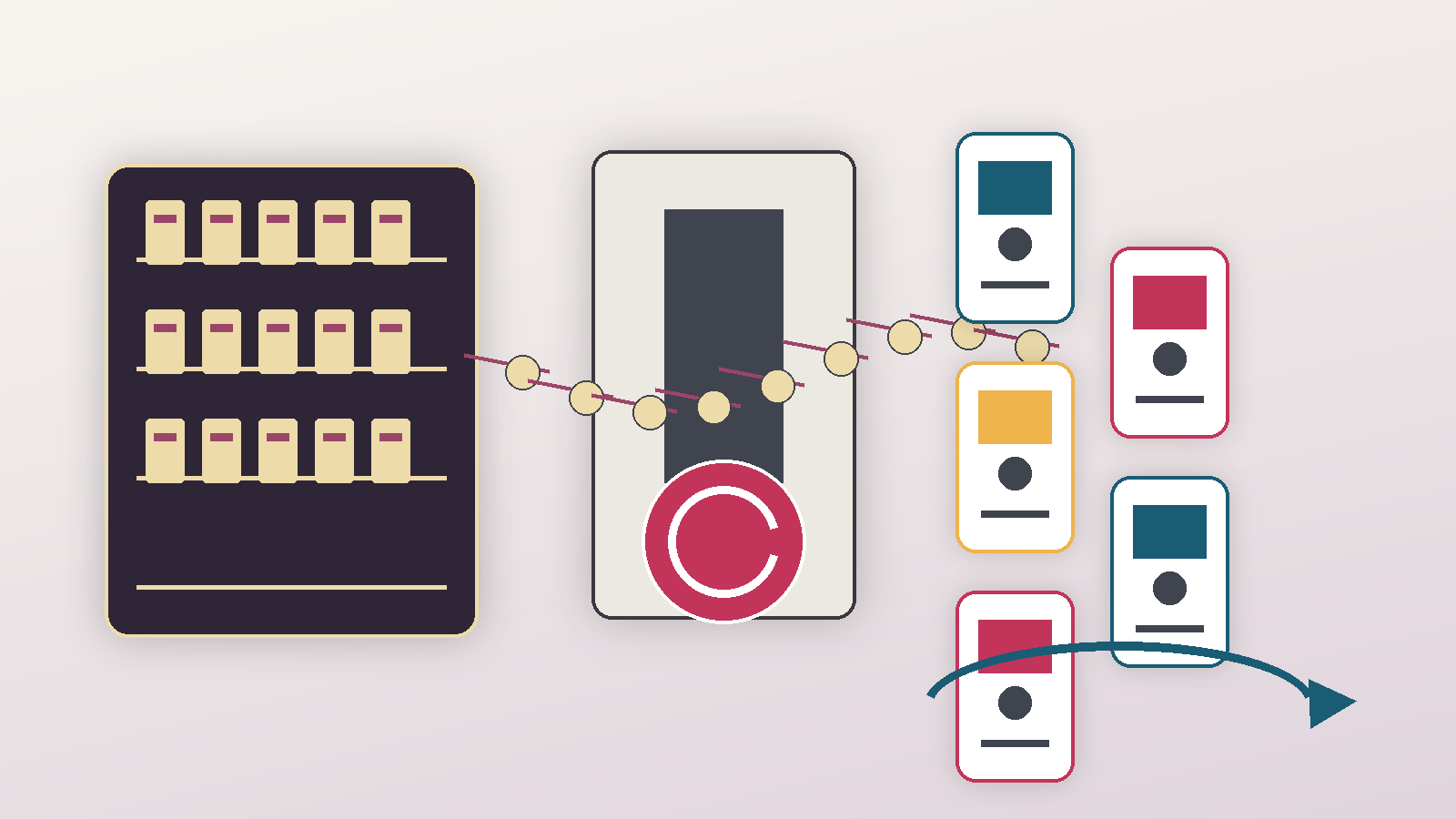
Disney and TikTok announced a global short-form content-sharing deal on August 5. Disney says participating creators will be able to use memorable scenes and moments from Disney movies and shows, while selected videos can appear both on TikTok and in Verts, the vertical video area inside Disney+. Marketing Dive reported that the U.S. pilot is expected in the coming months, with a plan to scale globally.
The obvious reading is that Disney wants more creator reach. The more useful reading is operational: a rights-heavy company is turning fan creativity into a managed content supply chain. For brands with valuable intellectual property, creator programs are no longer only about briefing influencers. They are about deciding what creators may use, where the content can travel, how performance is rewarded and how the brand protects the asset while letting it move.
Licensed access changes the creator relationship
Most creator programs start with a brief and a deliverable. This model starts with controlled access to assets. That changes the incentive. Instead of asking creators to talk around the brand, Disney gives selected creators material that can make fan content more native, recognizable and useful to communities.
That access also creates responsibility. The brand has to define which scenes, characters, formats and markets are allowed. It must decide what counts as acceptable remixing, what needs review and what should never enter the creator toolkit. The stronger the intellectual property, the more explicit the rules need to be.
Distribution is part of the product
The deal matters because creator videos are not limited to TikTok. Curated videos can also live inside Disney+ Verts. That turns creator output into a distribution loop across a social platform and the brand’s owned subscription environment. For Disney, it can support fandom and give the streaming app more mobile-native behavior. For TikTok, it gives creators licensed material and a high-status partner.
Other brands should notice the operating pattern rather than copy the entertainment category. If creator content can also improve a product page, app feed, community hub, retail display or CRM journey, then the creator program is not just media. It becomes content infrastructure.
A practical model for IP-led creator programs
- Define the asset library: what creators may use, in which markets and for how long.
- Create tiers of access, rewards and review based on creator performance and risk.
- Separate fast social publishing from content that enters owned channels.
- Set clear rules for brand safety, legal review, music, likeness and localization.
- Measure fan engagement, repeat usage, owned-channel lift and downstream commercial behavior.
This model is not only for entertainment companies. Fashion, gaming, sports, retail, hospitality and consumer brands all hold assets that communities reinterpret. The question is whether the company has the confidence and controls to let that happen without reducing every creator to an ad unit.
The lesson for CMOs
Creator marketing matures when access replaces one-off instructions. A creator with the right materials, a clear permission boundary and a reason to keep participating can produce more durable value than a sponsored post. But that only works when marketing, legal, product and platform teams agree on the rules before the program scales.
Disney and TikTok are showing a path where fan energy, licensed assets and owned distribution can work together. The strategic lesson is not “do a TikTok deal.” It is to map the operating model behind creator access: what the brand can safely release, what communities can make with it and where that content should compound after the first view.
Source References
- The Walt Disney Company: Disney and TikTok announce a global short-form content-sharing deal
- Marketing Dive: Disney, TikTok partner on content sharing as creators fuel fandom