Cloudflare released its AEO Visibility Dashboard on August 6 as part of its Answer Engine Optimization Suite. The company says the early-access tool helps site owners see whether AI assistants cite, mention, rank or recommend their businesses when users ask relevant questions. It sits beside Agent Readiness, which checks whether AI systems can reach and read a site at all.
The announcement matters because many AI visibility programs still start with manual prompt tests. That is useful for examples, but weak as a management system. Responses vary, prompts are hard to sample, and a mention in one answer does not prove commercial impact. Cloudflare’s argument is that network-layer crawl and referral signals can add evidence that prompt sampling alone misses.
The durable question: what are you measuring?
Brands should avoid turning answer-engine optimization into a new ranking report. AI answers do not behave like ten blue links. A buyer may ask for a shortlist, a comparison, a local recommendation, a troubleshooting sequence or a product alternative. The brand can appear as a cited source, an uncited mention, a recommended option, or not appear at all.
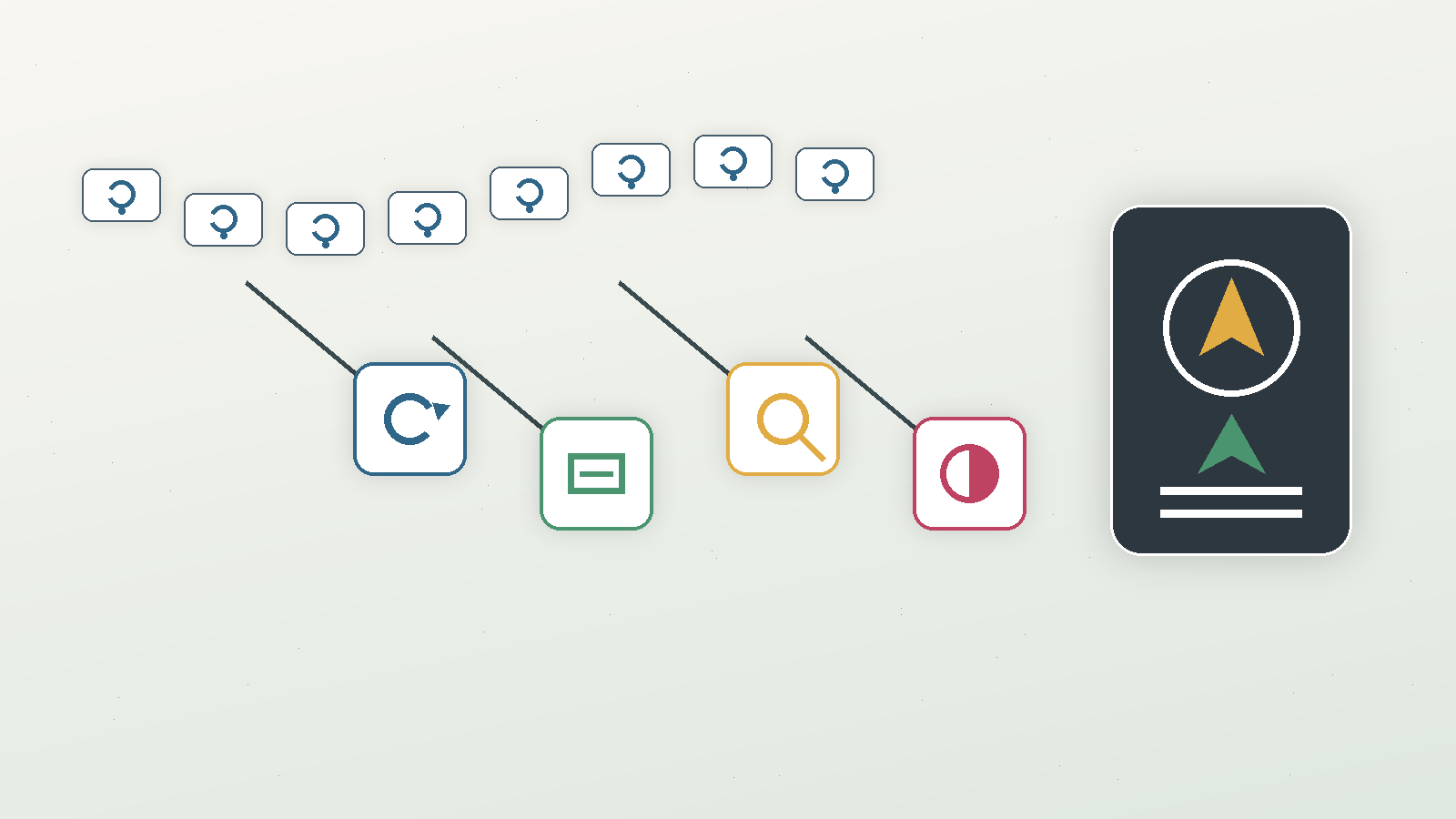
A useful framework separates four layers: access, citation, mention and outcome. Access asks whether agents can crawl the site, read structured content and use sitemaps. Citation asks whether the site is used as a source. Mention asks whether the brand is named even when the site is not cited. Outcome asks whether referral traffic, assisted conversions, sales calls or branded demand change.
A practical measurement process
- Start with customer questions that map to revenue, support cost or high-intent research.
- Track whether agents can access the relevant pages before rewriting content.
- Measure citations separately from mentions; they imply different problems.
- Compare share of voice against named competitors on the same question set.
- Connect visibility movement to business signals, even if attribution remains partial.
This prevents the most common mistake: spending on content rewrites before diagnosing whether the issue is access, authority, clarity or demand. A brand mentioned but not cited may need stronger source material. A brand cited but rarely recommended may need clearer differentiation. A brand invisible despite strong pages may have crawl or entity-consistency issues.
What marketers should do next
Build a small answer-visibility baseline around 20 to 50 commercially important questions. Include classic SEO data, server logs where available, AI referral traffic, prompt samples and CRM notes from sales or support. The point is not perfect attribution. The point is to stop confusing anecdote with measurement.
Cloudflare’s launch is another sign that AI discovery is moving from experimentation into operations. The winning teams will not chase every prompt. They will decide which questions matter, prove whether machines can access the right evidence, and measure whether visibility improves in ways the business can use.
Source References
- Cloudflare: AEO Visibility Dashboard press release
- Cloudflare Blog: From ranking to recommended
- Adweek: Cloudflare Wants to Tell Brands Whether AI Is Actually Recommending Them