Shinola’s new Runwell campaign is easy to describe as a celebrity creative story: Nicholas Braun stars, directs and turns a tense restaurant scene into a joke about time. That is the visible hook. The more useful marketing lesson is underneath it. A heritage product can stop being only an object of craft and become a repeatable memory system.
Marketing Dive reported on August 14 that Shinola launched “Set the Pace” to introduce the Runwell to a new audience, with agency GentleForces and Braun shaping the work. Marketing Brew, also on August 14, framed the campaign as part of a broader shift from product-focused marketing toward brand-building with more emotion, personality, humor and humanity.
What Shinola changed
The campaign does not open with the usual watch grammar: close-up engineering, polished lifestyle and luxury cues. The film treats time itself as the tension. Braun appears to be ending a relationship, then the reveal shows he is speaking to the watch. The line is not about technical precision. It is about choosing one’s own pace.
That matters because Shinola is using the Runwell as an anchor, not the whole story. Marketing Dive quotes the brand describing a plan designed across editorial, retail, PR, influencer partnerships, paid media, organic and social. Marketing Brew adds that the broader work extends into ecommerce, social, email and paid media.
Why product craft is not enough
Craft is valuable, but it is often invisible to buyers who meet the brand in a feed, search result, retailer email or short video. A beautiful product can win a transaction. It does not automatically create memory. For retail brands facing endless alternatives, memory is what lets the next impression work harder.
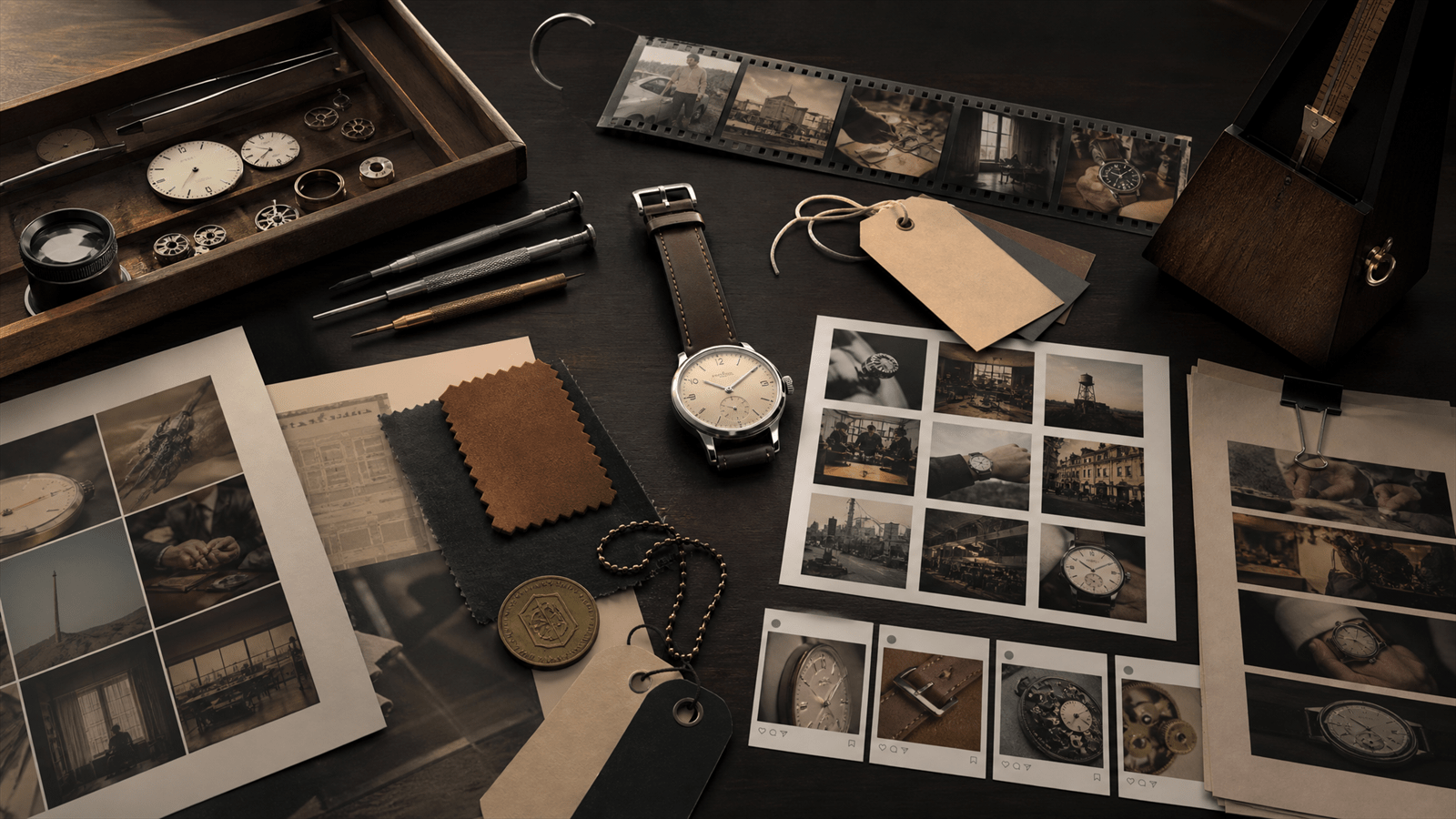
The Shinola case is useful because it does not abandon product truth. The Runwell, Detroit manufacturing and the idea of time are still central. The shift is that those assets are made emotionally legible. The product gives the story credibility; the story gives the product a reason to be remembered.
The brand-memory checklist
- Distinctive truth: is there a product, origin, ritual or customer behavior that can carry more than a feature claim?
- Memory job: what should a buyer remember after one exposure if they do not buy today?
- Channel design: can the idea live in retail, social, email, PR, paid media and the product page without becoming separate campaigns?
- Talent fit: does a celebrity, creator or partner shape the idea, or only rent attention?
- Performance path: where does the memory connect to product discovery, search, retargeting, store visits or ecommerce conversion?
- Governance: what phrases, visuals and behaviors keep the idea consistent after launch week?
How performance benefits
Performance marketing compounds faster when the audience recognizes the brand and understands what it stands for. A retargeting ad, search result or product email has a different job after a strong brand impression. It is not asking a cold buyer to decode the brand from scratch. It is continuing a remembered idea.
That does not mean every retail brand needs a cinematic spot or a celebrity director. It means lower-funnel spend needs an asset to amplify. If the brand idea is weak, performance media has to carry too much explanatory weight. If the idea is memorable and connected to the product, performance media can convert demand rather than manufacture all of it.
The CMO takeaway
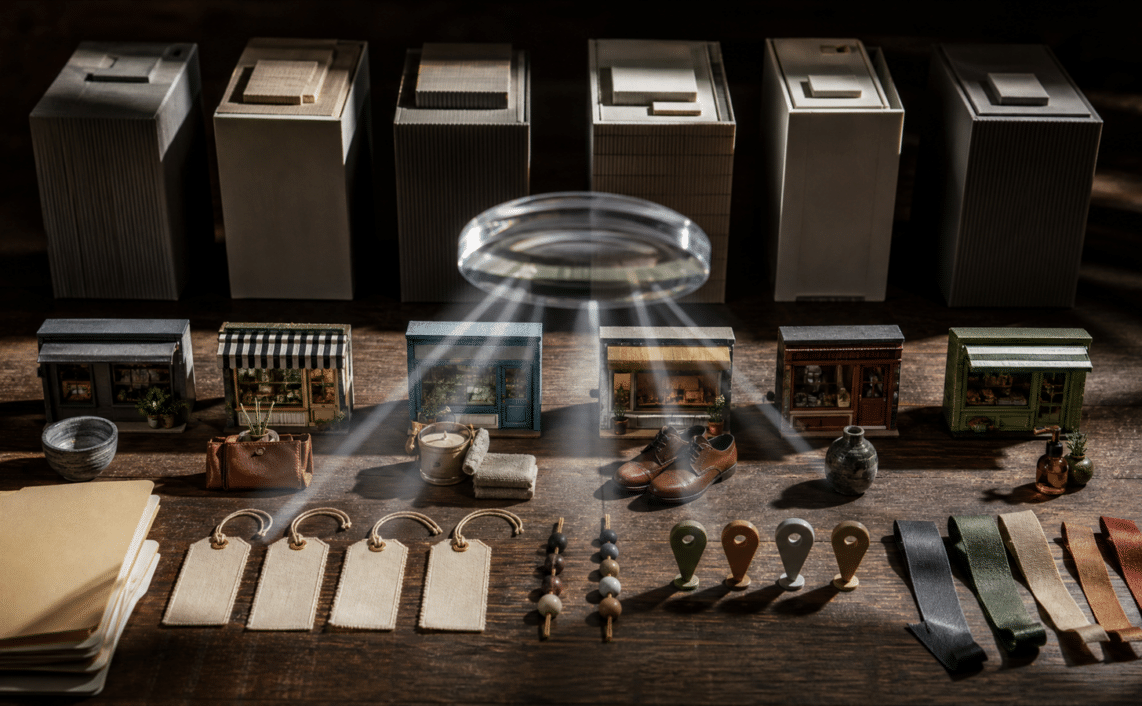
The Shinola lesson is not “hire a famous actor.” It is to define the memory system before the media plan asks for efficiency. Start with a product truth, translate it into an emotional point of view, design the idea for channels at the beginning and measure both memory signals and commercial paths.
A heritage brand wins when it turns craft into meaning. Performance marketing then has something durable to repeat.