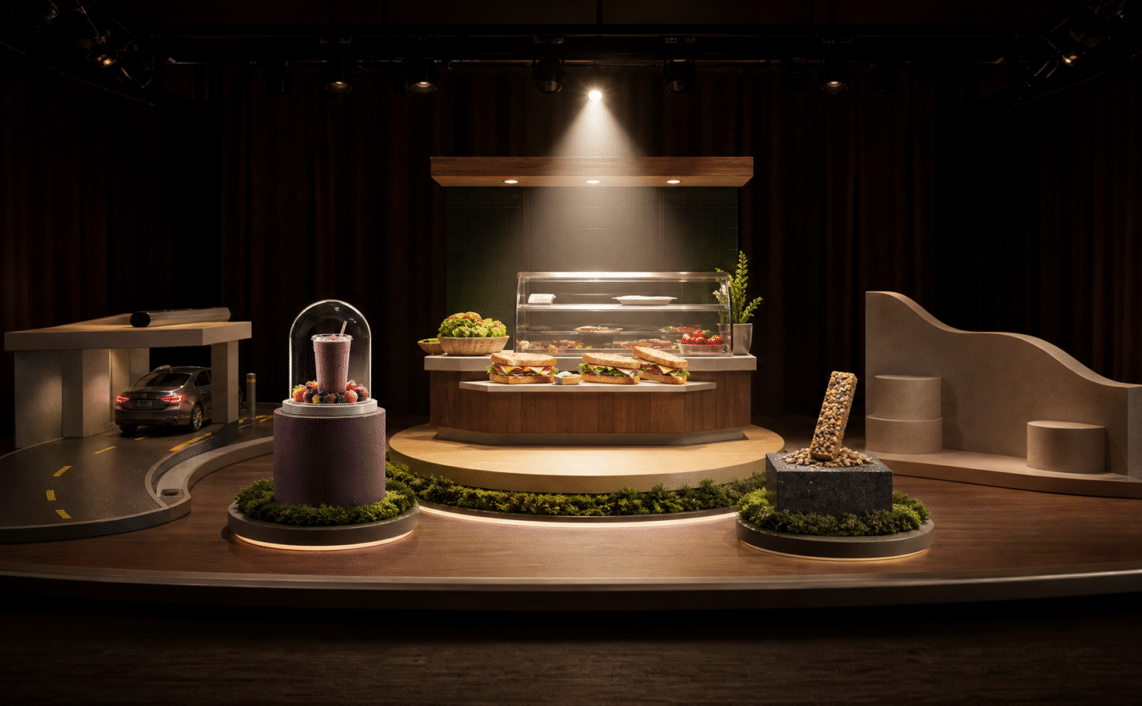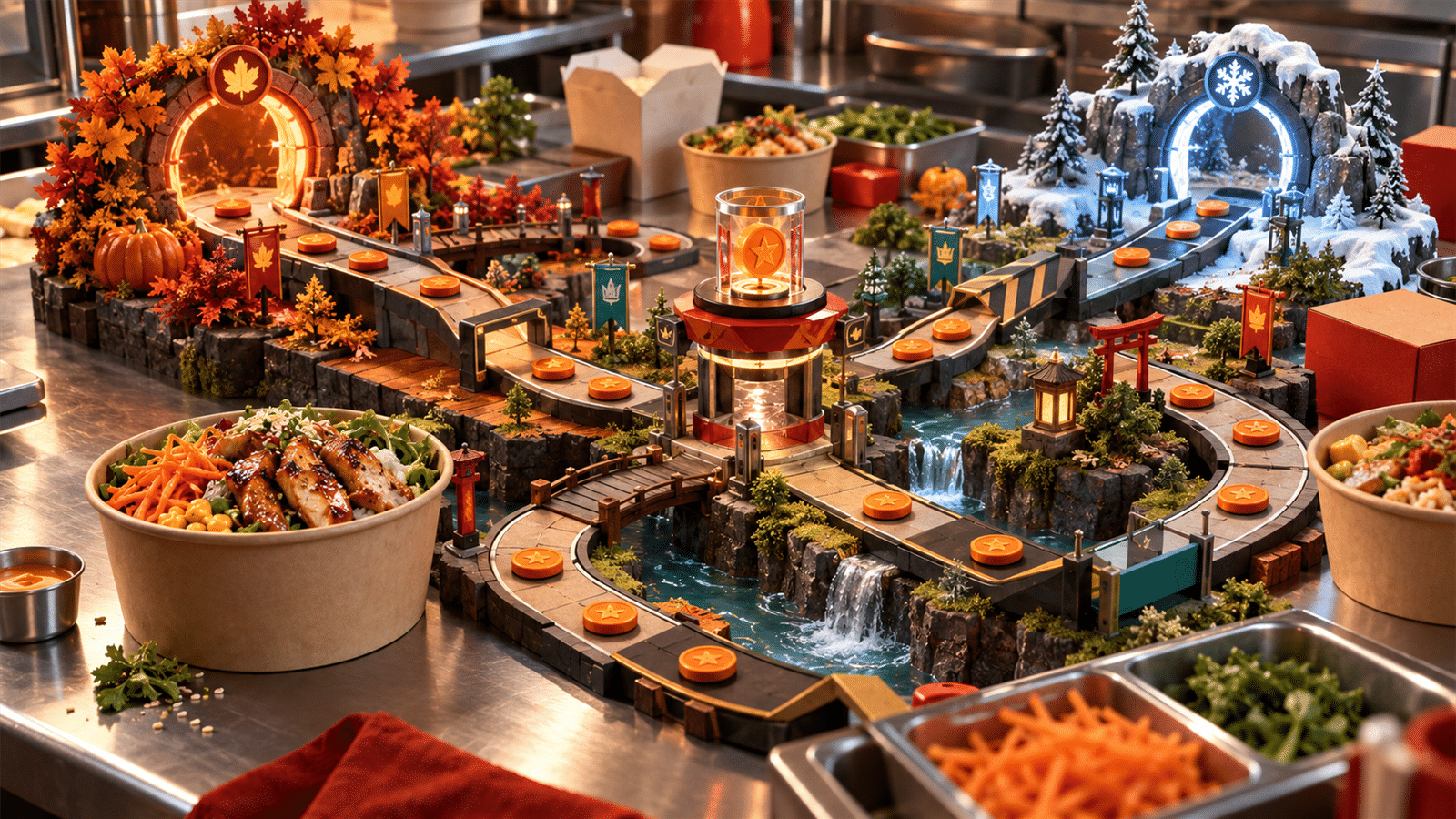
Panda Express is turning gaming from a campaign add-on into a standing marketing platform. Marketing Dive reported on October 5 that the QSR brand, after Roblox and Fortnite activations tied to cultural moments, is now building a more permanent presence with recurring Fortnite map integrations and a relaunched Roblox destination.
The case matters because the reported results are not only vanity engagement. Marketing Dive cited information shared ahead of release: exposure to the brand in Roblox and Fortnite was associated with a 3 percentage point lift in brand awareness, consideration and recommendation improvements, and a 5 percentage point increase in purchase intent over a 30-day window. The numbers are not a universal proof that every restaurant should enter gaming. They are evidence that the channel can be managed like a real media environment when the brand measures it.
From Activation To Platform
A one-off gaming activation asks whether the brand can create attention. An always-on gaming model asks a harder question: can the brand keep earning relevance without rebuilding from zero every quarter? Panda Express is approaching that with persistent spaces, seasonal updates, menu tie-ins and map integrations timed to future moments.
That is the operating-model shift. The creative idea is only one layer. The brand also needs a calendar, a reason to return, a way to keep the experience fresh, and a measurement plan that links exposure to awareness, consideration, recommendation and purchase intent.
A Checklist For Marketers
First, define the role of gaming in the media mix. Is it reach, cultural relevance, product sampling, loyalty, creator content, or youth-market learning? Second, separate persistent infrastructure from campaign modules. The permanent destination should teach users what the brand is doing there; seasonal portals and menu moments can provide novelty.
Third, build measurement before expanding. Brand lift, repeat participation, session quality, creator pickup, store or app behavior and purchase-intent changes all answer different questions. Fourth, protect authenticity. Players can tell when a brand is only renting attention. The environment needs mechanics that feel native to the game, not a billboard copied into a virtual world.
The Takeaway
Gaming becomes a serious marketing channel when it has cadence, ownership and learning loops. Panda Express is useful not because every brand should copy its platforms, but because it shows the threshold: repeatable experience design, measured outcomes and a plan for what happens after the first burst of novelty fades.