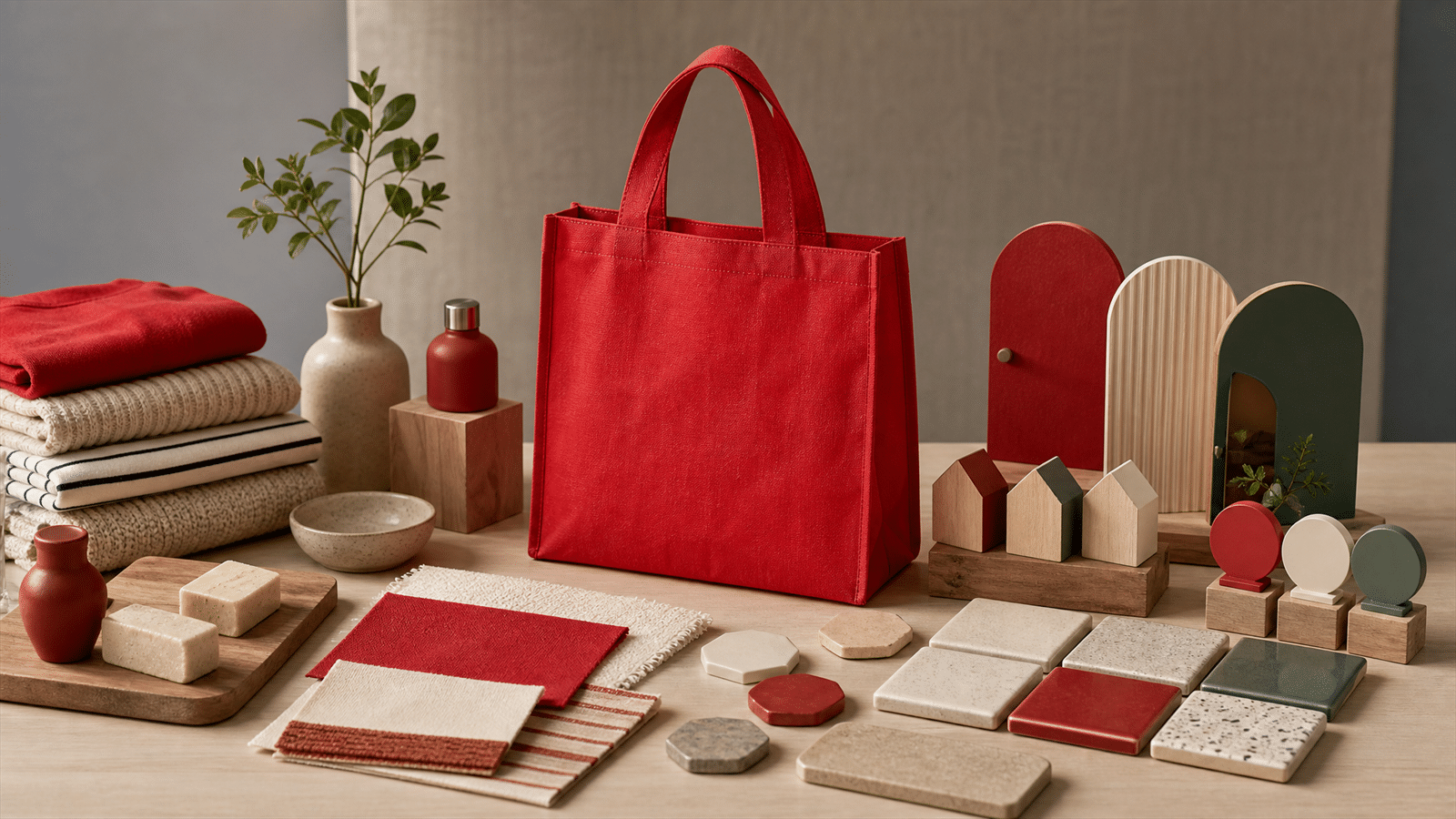
Target’s Inside Out campaign is easy to read as a retail brand refresh: a familiar red bag, joyful customer vignettes, creator extensions and city activations. The more useful lesson for marketers is operational. Target is treating a distinctive asset not only as a logo-adjacent memory cue, but as a container for product discovery, customer identity, creator content and physical participation.
Marketing Dive reported that the national campaign runs across broadcast, streaming, radio, digital and social, with creator partnerships and experiential activations. Target’s own article connects the campaign to its design legacy, Red Bag Stories, Bagspotting and the Target by Design experience. That combination matters because the campaign is not asking one TV spot to do all the work.
The real lesson
Distinctive assets become powerful when they organize behavior across channels. A bag is memorable. But a bag that can hold a creator haul, a city challenge, a design exhibition, a product story and a customer identity is more than a visual device. It becomes a planning system.
That is especially relevant for retailers trying to reconnect brand marketing with merchandising and customer experience. A campaign can say “we stand for design.” An operating model must show how design appears in products, stores, digital discovery, creators, events and repeat shopping moments.
A checklist for retail marketers
Start by naming the asset. Is it a package, color, store ritual, service moment, sound, bag, mascot or product format? Then test whether it can do four jobs: trigger memory, carry product proof, invite customer participation and scale across paid, owned and in-store channels.
Next, protect the customer story. The asset should not become a gimmick that hides the product. In Target’s case, the bag works because it can reveal what people bring home and what those choices say about their lives. Other retailers should ask the same question: what does the asset make easier to understand about the customer?
Finally, assign ownership. Brand, merchandising, retail media, store operations, social and ecommerce teams must know how they are allowed to use the asset. Without that governance, a distinctive cue becomes a design file that everyone stretches in a different direction.
The takeaway
Inside Out is a reminder that retail brand building does not have to be abstract. The best assets connect memory with merchandise and participation. For business leaders, the practical challenge is to stop treating distinctive assets as decoration and start managing them as operating infrastructure for discovery, experience and demand.
Source References
- Marketing Dive: Target's new campaign puts design legacy at center of marketing
- Target: Inside Target's Next Chapter of Great Design for All