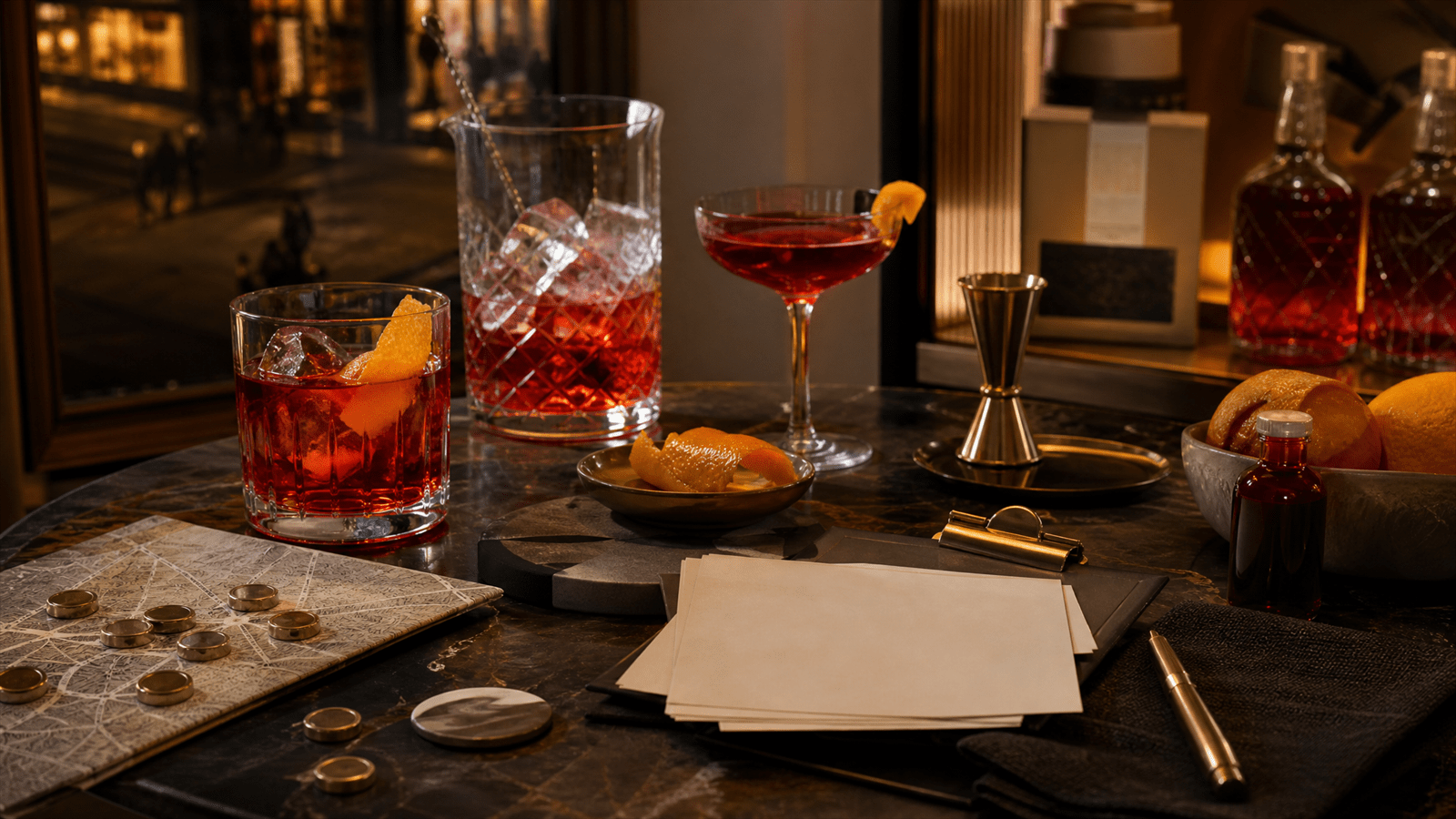
Campari’s latest campaign is useful because it does not treat heritage as decoration. Marketing Dive reported on the brand updating a classic ad idea with Alan Cumming around Negroni Week. The obvious read is nostalgia. The more useful read for marketers is occasion design.
A heritage asset becomes commercially stronger when it points to a current behavior: order the drink, visit the venue, buy the ingredients, join the week, share the ritual. Without that bridge, nostalgia is only a mood board.
Heritage Needs A Job
Brands often revive old creative because it feels distinctive and less disposable than another trend-led execution. That can work, but only when the old asset has a new job. For Campari, the job is not simply to remind people that the brand has history. It is to connect bitter positioning, cocktail ritual and Negroni Week into a live consumption moment.
The lesson travels beyond beverage. A fashion brand, retailer, software company or hospitality group can use heritage when it clarifies what people should do now. The past should create confidence and distinctiveness, then hand the audience to a present action.
The Occasion Model
An occasion model has four parts. First, a memory cue: a visual style, line, product ritual or brand behavior people can recognize. Second, a product cue: the part of the offer that must not disappear behind the campaign. Third, a participation cue: what stores, bars, partners, sales teams or ecommerce surfaces need to do. Fourth, a measurement cue: how the team will know whether attention became orders, visits, baskets or repeat behavior.
Negroni Week gives Campari a strong participation layer because the occasion can live in bars, retail, recipes and social conversation. That matters. Heritage creative is easier to justify when commercial partners can activate it instead of merely watching it.
Where Nostalgia Goes Wrong
Nostalgia fails when it becomes self-referential. The brand celebrates its archive, but customers do not receive a better reason to act. Celebrity casting can create the same problem if the talent becomes the whole story and the product becomes set dressing.
The fix is to protect the product ritual. In beverage, that means taste cues, serve cues, venue cues and timing. In other categories, it might mean a usage moment, a product proof, a buying trigger or a service promise.
What To Brief Internally
Before approving a heritage campaign, ask five questions. What current occasion are we trying to own? Which distinctive assets should return? Which product cues must be impossible to miss? Which partners need a usable version of the idea? What behavior will prove the campaign moved beyond memory?
Those questions turn heritage from a creative preference into an operating plan. They also prevent the team from judging the work only by sentiment or earned-media headlines.
The Practical Takeaway
Campari’s Negroni Week push is not just a retro creative story. It is a reminder that memory needs a commercial path. Heritage can be a powerful asset when it helps people recognize the brand, understand the ritual and know what to do next.
The strongest nostalgic campaigns are not stuck in the past. They use the past as a shortcut into a present buying, ordering or participation moment.