Target’s back-to-school AI story is useful because it is not only about recommendations. Retail Dive reported on September 3 that Target is using AI to support wish lists and contextual next-best-action prompts during the season. The company told Retail Dive that customers who build wish lists drive about 45% higher demand in the category. That number should not be read as proof that AI caused the lift. It should be read as a clue about where personalization can be useful: moments when shoppers need help planning.
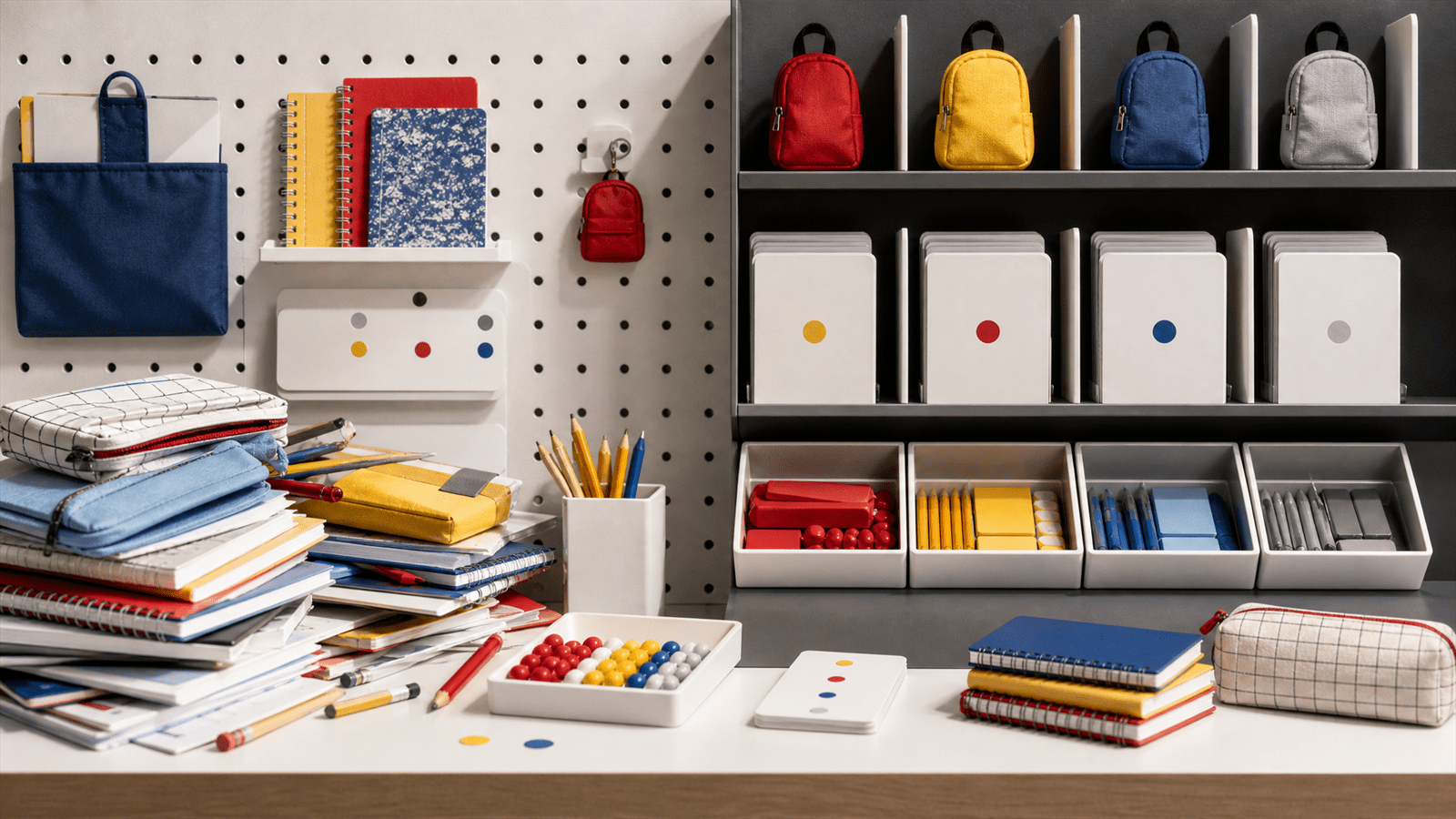
Back-to-school is a strong test environment because the shopper job is specific. Families need supplies, clothing, electronics, uniforms and timing decisions. The National Retail Federation and Prosper Insights & Analytics forecast record 2026 spending for both K-12 and college shopping, but shoppers are also managing affordability and spreading purchases. A generic recommendation carousel is not enough in that setting. The retailer has to help the customer assemble the right list, then learn from that list without creating noise.
What Target is actually testing
Retail Dive reported that Target is using AI to recommend products as people create wish lists. It also described a next-best-action widget that is already part of the site but can be contextualized for the season, such as prompting a user to create a list. The important point is placement. The AI appears around a task that already has intent: shoppers are preparing for a known occasion with several categories and deadlines.
That is different from personalization that simply tries to add more products to a basket. A wish list can capture planning intent, household needs, school-specific requirements and future purchase timing. It can also give the retailer a demand signal before the transaction happens.
Why wish lists are better than generic personalization
Personalization earns investment when it reduces effort. A back-to-school shopper may not remember every supply, size, replenishment item or deal window. Recommendations become useful when they complete the task rather than distract from it. The next-best-action prompt is also useful only when it points to the next logical step: create a list, finish a list, compare pickup options, check availability, save a deal or return later.
For marketers, the lesson is to design personalization around jobs, not modules. “Recommended for you” is vague. “Complete the school list before pickup windows tighten” is an operating idea. It connects media, ecommerce, inventory and CRM.
The five metrics to watch
Start with list creation rate: how many qualified visitors begin a list after seeing the prompt? Then measure completion quality: how many lists contain the category mix that normally leads to a useful order? Third, track downstream purchase behavior: conversion, average order value, substitutions, cancellations and pickup or delivery success. Fourth, monitor shopper effort: repeated searches, abandoned steps, support contacts and returns. Fifth, compare demand signals against inventory planning: did list activity help teams forecast pressure before orders arrived?
This scorecard keeps the project from becoming an AI showcase. If lists increase but checkout weakens, the experience may be creating interest without resolving purchase friction. If purchases rise but substitutions and cancellations rise too, the problem may be inventory accuracy. If list creation grows only after heavy discounting, the model may be a promotion mechanic rather than a personalization asset.
Where the model can fail
AI recommendations can overfit past behavior, repeat what a shopper already bought or suggest irrelevant items because the system understands category association better than household context. Seasonal retail also has operational traps. A list is frustrating if recommended products are unavailable, if pickup windows are wrong or if the retailer cannot follow up without becoming intrusive.
The privacy and CRM layer matters as much as the recommendation layer. Customers are giving the retailer planning intent before they buy. That signal should improve service and relevance, not become an excuse for noisy retargeting.
The operating lesson for retailers
The strongest lesson from Target is not “add AI.” It is to attach AI to a shopper job with measurable friction. Back-to-school wish lists are a good candidate because they combine planning, urgency, inventory and repeat visits. Other retailers can use the same logic for renovation lists, baby registries, travel kits, holiday menus, sports seasons or professional replenishment.
After the season, decide whether the model deserves scale. Keep it if it improved planning, conversion quality, fulfillment readiness and customer learning. Redesign it if it only added recommendations. Personalization becomes an operating model when it changes how the business senses demand and helps customers finish a real task.