Jif’s new “Every Jifing Thing” campaign, reported by Marketing Dive on August 10, is useful because it is not only a creative refresh. The campaign reworks the familiar Jif mark into action words such as dip, sip and mix, and pushes peanut butter into more snacking and recipe moments beyond the default peanut-butter-and-jelly association. Marketing Dive notes that Jif appears in only a small share of total snacking occasions, while the brand has very high recognition.
That gap is the strategic lesson. A mature brand can be famous and still be underused. If consumers know the brand but mentally file it under one narrow occasion, media spend can defend awareness without expanding demand. The harder job is to change the usage map: when people plan breakfast, lunchboxes, smoothies, snacks, sauces or quick meals, does the product naturally come to mind?
What Jif is trying to change
The campaign appears to use the logo as a flexible usage cue rather than as a static badge. That matters because a distinctive asset does not only identify the brand; it can also organize memory. If the same visual system repeatedly connects the product with dipping, sipping or mixing, the asset starts to teach occasions.
For ecommerce and retail teams, this is more than a TV or social idea. Occasion expansion needs product pages, search terms, retail media, recipe content, in-store cues and basket logic to tell the same story. Otherwise the campaign creates interest but the shelf and site still pull the shopper back to the old default use.
Why recognition is not enough
Many legacy brands overestimate awareness as a growth engine. Recognition lowers friction, but it does not automatically create another purchase moment. A consumer can recognize a product instantly and still buy it only for one household ritual. That is especially limiting in categories where volume depends on frequency and adjacent uses.
The practical question is therefore not “do people know us?” It is “where are we missing from the occasion set?” A brand with high recognition should use research, retail search data and basket analysis to identify moments where the product is credible but absent from memory.
A framework for occasion expansion
- Name the default association. If everyone thinks of one use, write it down instead of pretending the brand is already broad.
- Find adjacent occasions with real product fit: meal prep, snacking, convenience, health routines, entertaining or substitutions.
- Turn distinctive assets into usage cues, not just decorative marks.
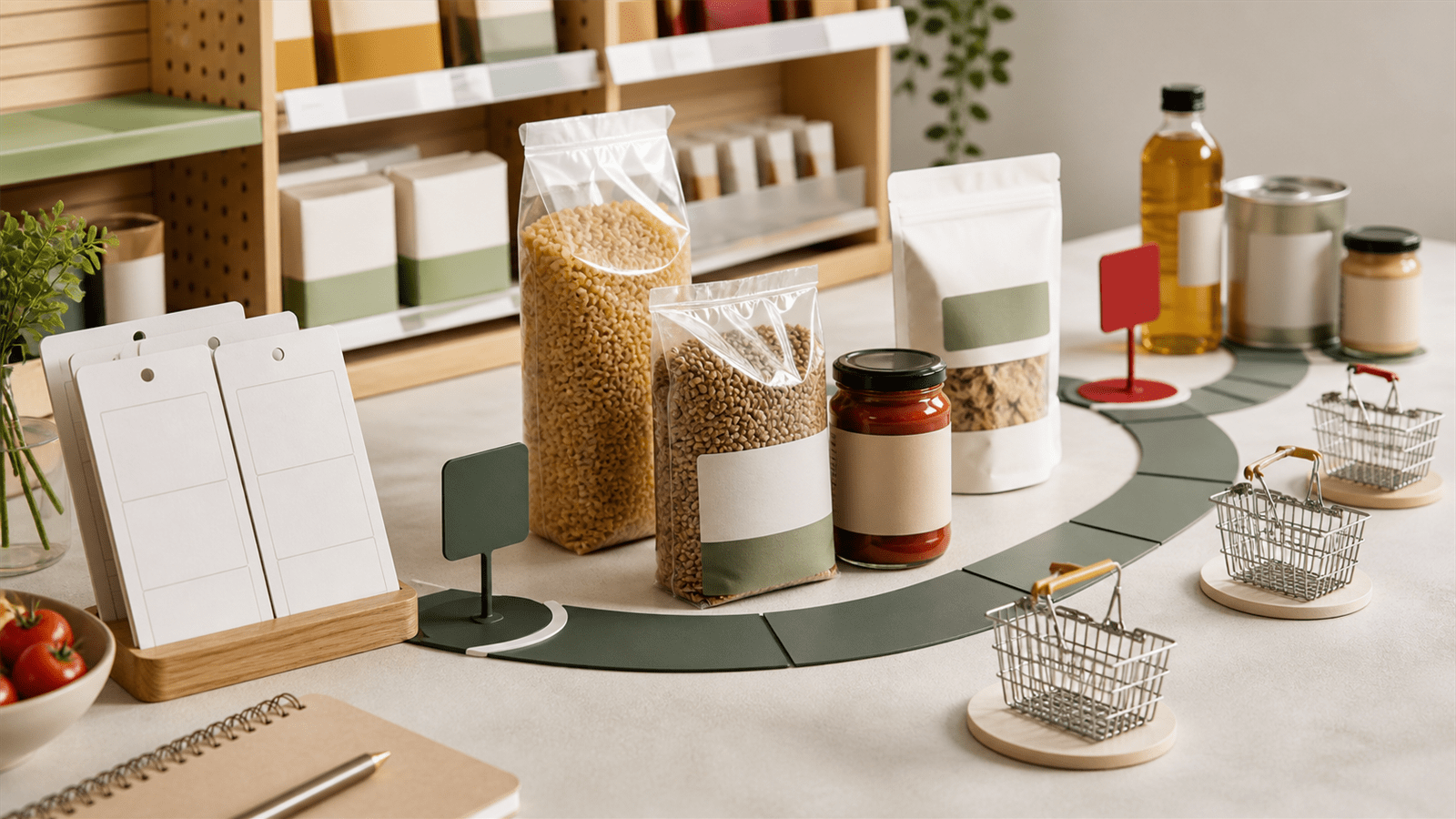
- Connect the campaign to retail proof: recipes, bundles, sponsored search, shelf navigation and product detail content.
- Measure whether new occasions appear in search, basket combinations, repeat purchase and creative recall.
This approach keeps the brand from stretching into empty territory. The best new occasion is close enough to be believable and different enough to create incremental demand.
How to measure it
Do not judge an occasion campaign only by reach or engagement. Track whether consumers search for the new uses, whether product pages receive traffic from occasion terms, whether baskets include the intended pairings and whether repeat buyers buy outside the old use case. Retail media can help test this because it connects message, shelf position and purchase behavior.
The takeaway is clear for mature brands. Your strongest asset is not finished when people recognize it. It becomes more valuable when it helps people remember more reasons to buy.