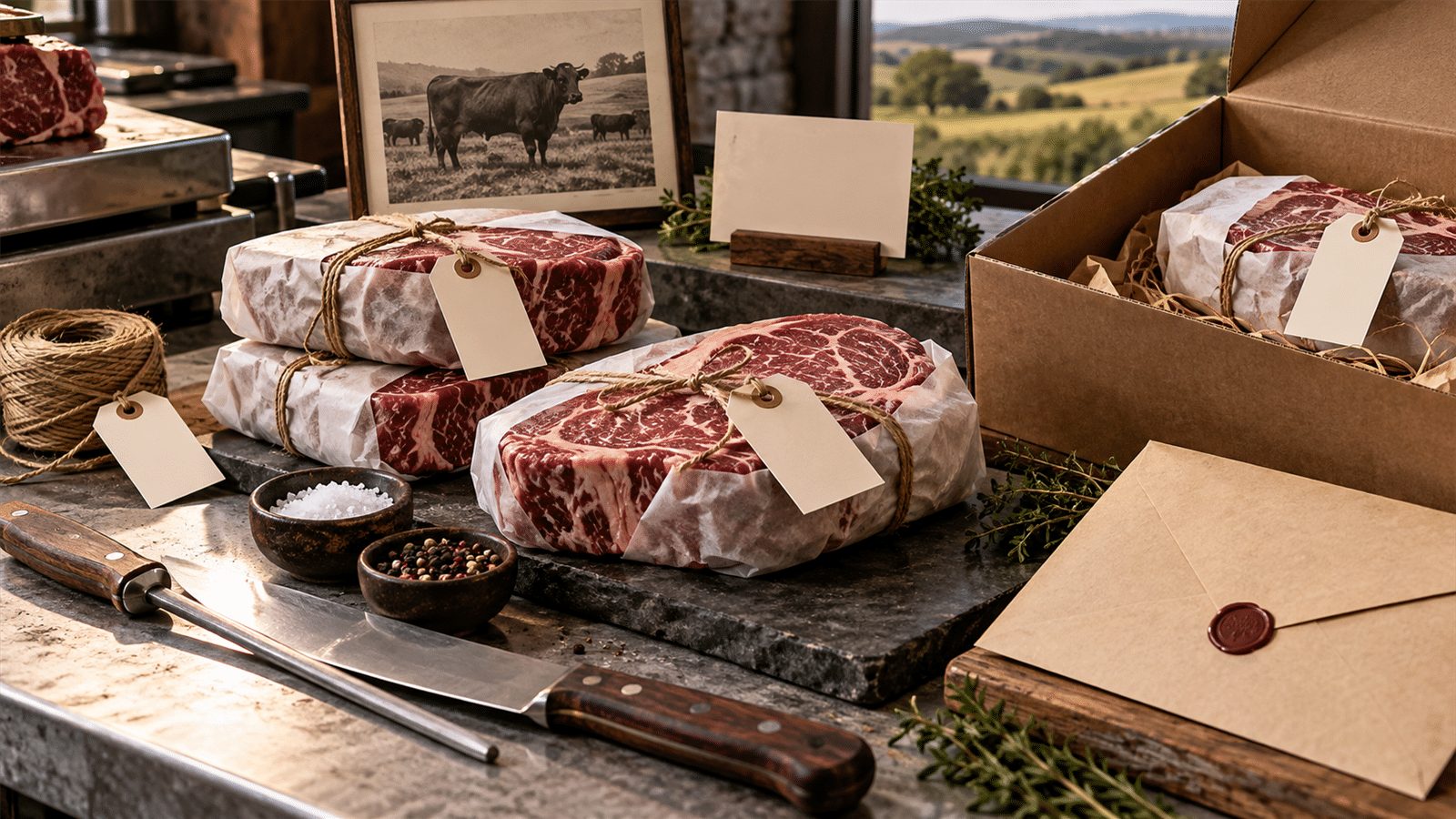
Omaha Steaks’ new “No Bull” platform is a useful case because it does not treat Gen Z as a costume change. Marketing Dive reported on October 8 that the 109-year-old meat delivery company is moving away from vague quality language and using clearer claims about sourcing, craft and trust. The campaign spans TV, radio, YouTube, podcasts, paid social and influencer partnerships.
The strategic lesson is broader than meat. Legacy ecommerce brands often have real advantages: history, operations, supply relationships, service, product knowledge and repeat customers. But those advantages do not sell themselves to younger buyers. If the proof stays inside the company, the market only sees familiar claims such as premium, quality, heritage or trusted.
Heritage Is Not Proof
Heritage can open the door, but it cannot carry the whole conversion. A younger buyer may respect age, but still ask where the product comes from, how it is made, why it costs more, whether the brand understands current habits and whether the promise is verifiable. Omaha Steaks’ shift is interesting because it tries to translate longevity into specific proof: U.S. sourcing, aging, hand-cut products, faster delivery and clear language.
That move is different from simply making a legacy brand louder on social. The question is not “how do we sound younger?” It is “which parts of our operating model would a skeptical buyer actually value if we explained them clearly?” The answer should change product pages, creator briefs, packaging, direct mail, search copy and retention messaging.
A Proof-Claims Model
Start by listing the claims the brand already makes. Then sort them into three groups. The first group is empty adjectives: premium, curated, high quality, better. These need evidence or deletion. The second group is operational proof: sourcing, process, testing, expertise, delivery speed, customer service, guarantees. These deserve better visibility. The third group is buyer proof: reviews, repeat purchase, customer questions, real use cases and objections. These should shape the way the brand explains itself.
For each claim, ask four questions. Can a buyer verify it? Can a creator show it without sounding scripted? Can the product page explain it in one screen of attention? Can paid media test whether it changes conversion quality, not just clicks? If the claim fails all four, it is probably brand wallpaper.
Do Not Abandon Existing Customers
The strongest legacy repositioning keeps old and new buyers in the same system. Marketing Dive notes that Omaha Steaks still values direct mail and phone-based customer relationships while adding social and influencer work. That is the operating point: a legacy brand does not need to erase its older channels to become modern. It needs to make the same proof legible across channels.
For CEOs and marketing directors, the takeaway is simple. Do not brief a youth campaign until the proof layer is ready. Make the claims specific, connect them to product economics, decide where they appear in the funnel and measure whether they improve higher-quality demand. Gen Z does not need a legacy brand to pretend it was born yesterday. It needs the brand to show why its experience still matters now.
Source References
- Marketing Dive: Inside Omaha Steaks’ efforts to ditch marketing bull and attract Gen Z
- Omaha Steaks: No Bull campaign announcement