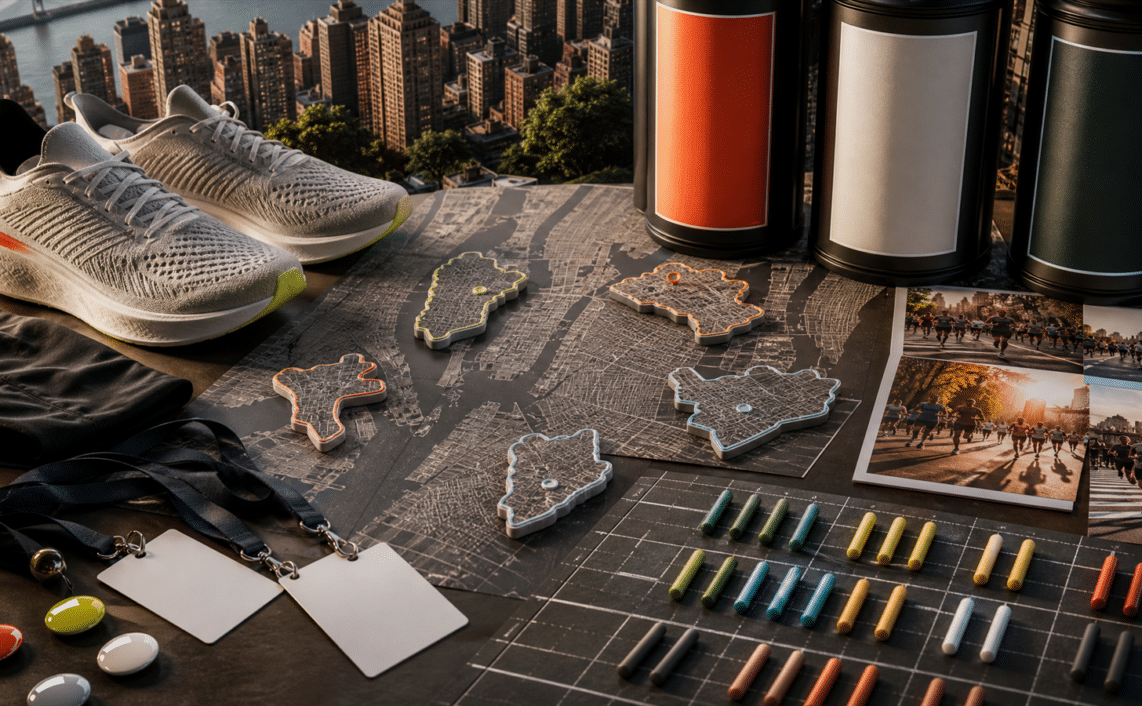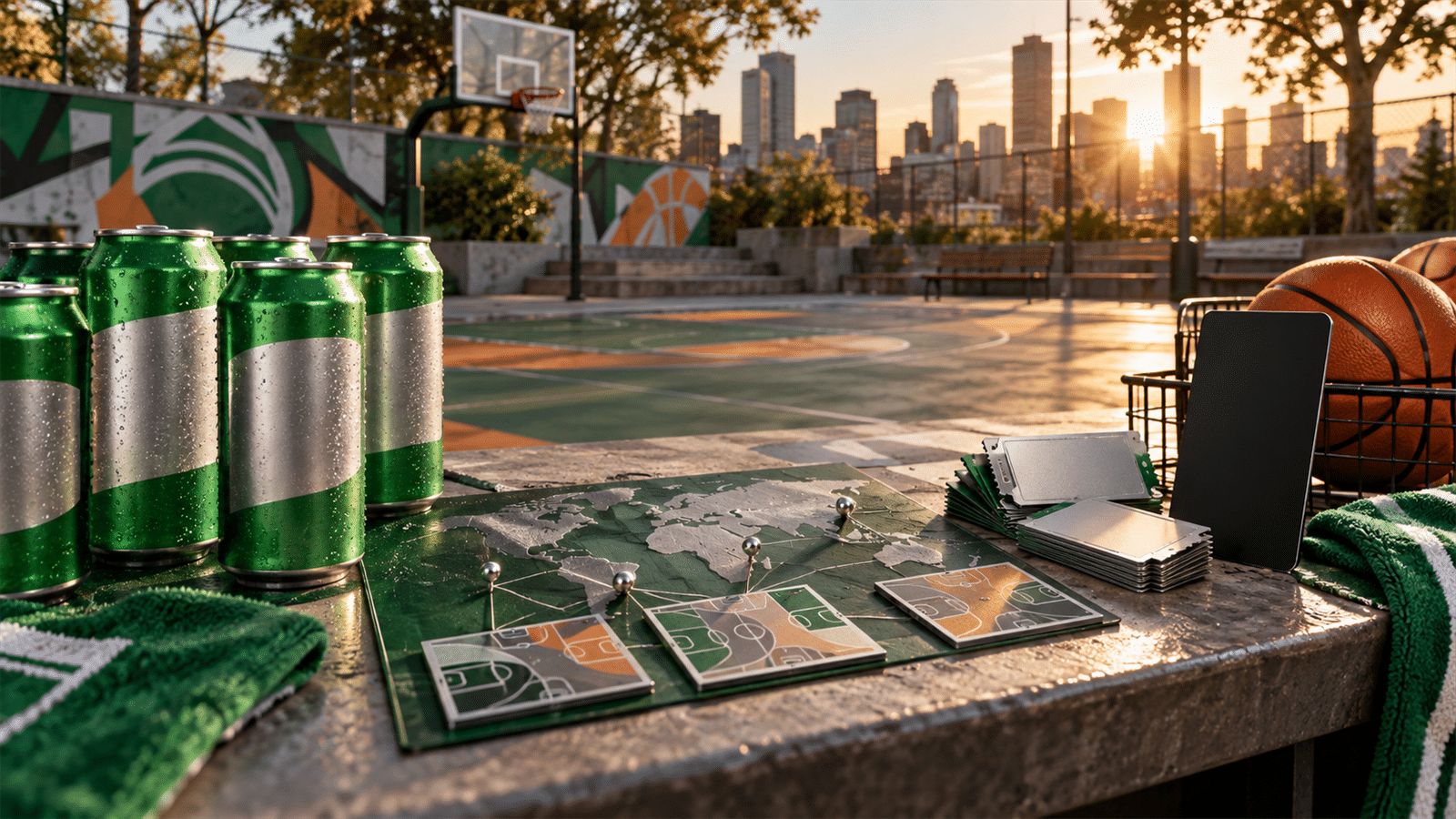
Sprite’s new “Never Stop Refreshing the Game” platform is more than a celebrity roster update. Coca-Cola announced on October 12 that Nikola Jokic joins Anthony Edwards in a global basketball push tied to Sprite’s return as the NBA’s official global soft drink partner. Marketing Dive adds the operational layer: the platform spans mass media, social, digital, packaging, experiential work, in-game integrations and local amplification.
For marketers, the useful lesson is not “hire famous athletes.” The lesson is that a sponsorship right becomes valuable when it is translated into repeatable touchpoints. In Sprite’s case, the ingredients include global athlete narratives, limited-edition cans, QR-led prizes, NBA 2K integrations, food-delivery deals, community court refurbishments and live moments around global games. That is an activation system, not a campaign wrapper.
Design the system before buying the visibility
A sponsorship often fails when the brand starts with exposure and later asks how to convert it. Sprite’s structure points in the opposite direction. Packaging is not only a logo surface; it becomes a trigger for rewards. Local courts are not only community goodwill; they give the global platform a physical proof point. Athlete choice is not only fame; it connects different markets and fan cultures. Events are not only attendance; they create deadlines for retail, creator and experiential execution.
The operating question for any brand is simple: what can the sponsorship make easier for the customer or fan? If the answer is only “remember us,” the rights are underused. If the answer includes access, play, content, proof, rewards and local participation, the sponsorship can support both brand memory and measurable engagement.
A practical activation checklist
Use five checks. First, retail: what appears in store, on pack or on marketplace pages that a buyer can act on? Second, data: what value exchange justifies asking for a scan, sign-up or preference? Third, local relevance: which markets need their own creators, venues or community proof? Fourth, continuity: what happens between the launch film and the next live event? Fifth, measurement: which metrics separate cultural attention from commercial movement?
The QR-code layer matters because it connects physical distribution to first-party data. But the scan must earn its place. A code that unlocks a weak microsite is clutter. A code that gives access to prizes, games, local events or product utility can become a useful bridge between shelf, sport and owned audience.
The takeaway
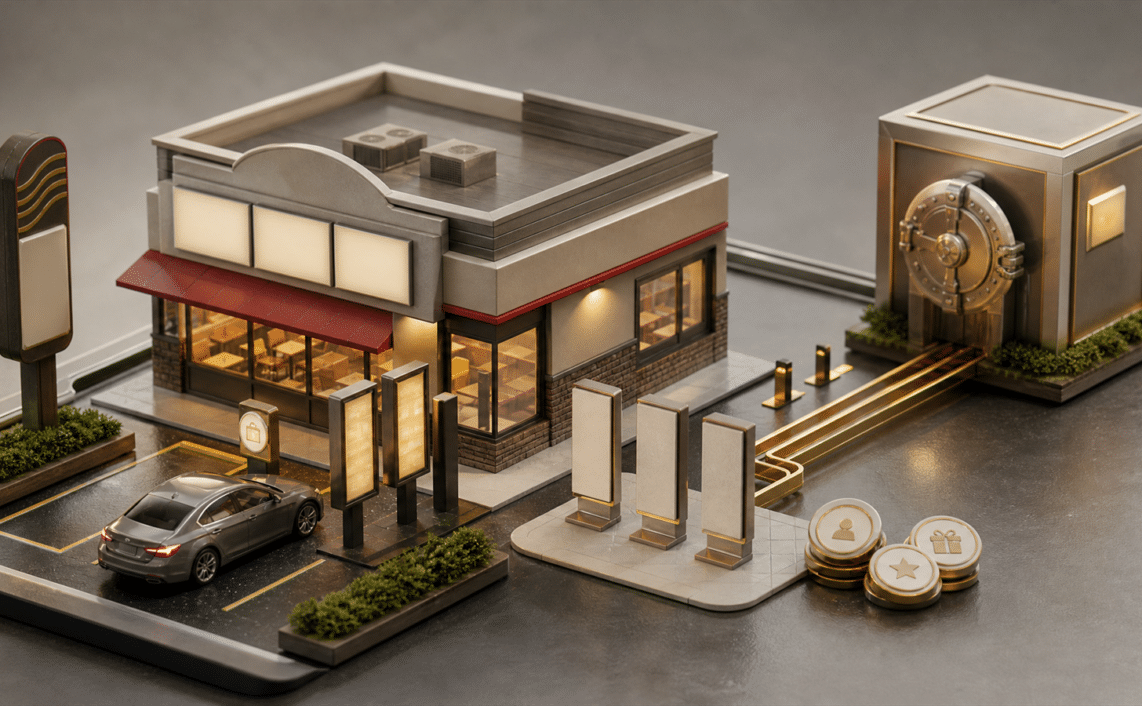
Sprite’s NBA work is a reminder that global sponsorship is strongest when it behaves like infrastructure. The brand story travels globally, but the proof happens locally: on cans, courts, creator content, game-day offers and fan rewards. Marketers should judge sponsorship ideas by the system they create, not only by the names attached to the launch.
Source references
- The Coca-Cola Company: Sprite Expands Global Basketball Footprint With NBA’s Nikola Jokic
- Marketing Dive: How Sprite is refreshing its NBA sponsorship with a global focus