Ann Taylor’s new campaign is useful because it does not treat a heritage brand comeback as a logo polish. Marketing Dive reported on August 21 that This Is Ann is the retailer’s first major integrated campaign since 2017. The campaign includes New York-shot creative, a Substack component, a New York Fashion Week activation on September 8 and a brand ambassador program planned for next year.
For retail marketers, the case is less about Ann Taylor specifically and more about the shape of the playbook. A legacy retailer cannot win back relevance by saying it used to matter. It has to prove where it fits in a current customer’s week.
What Ann Taylor is trying to rebuild
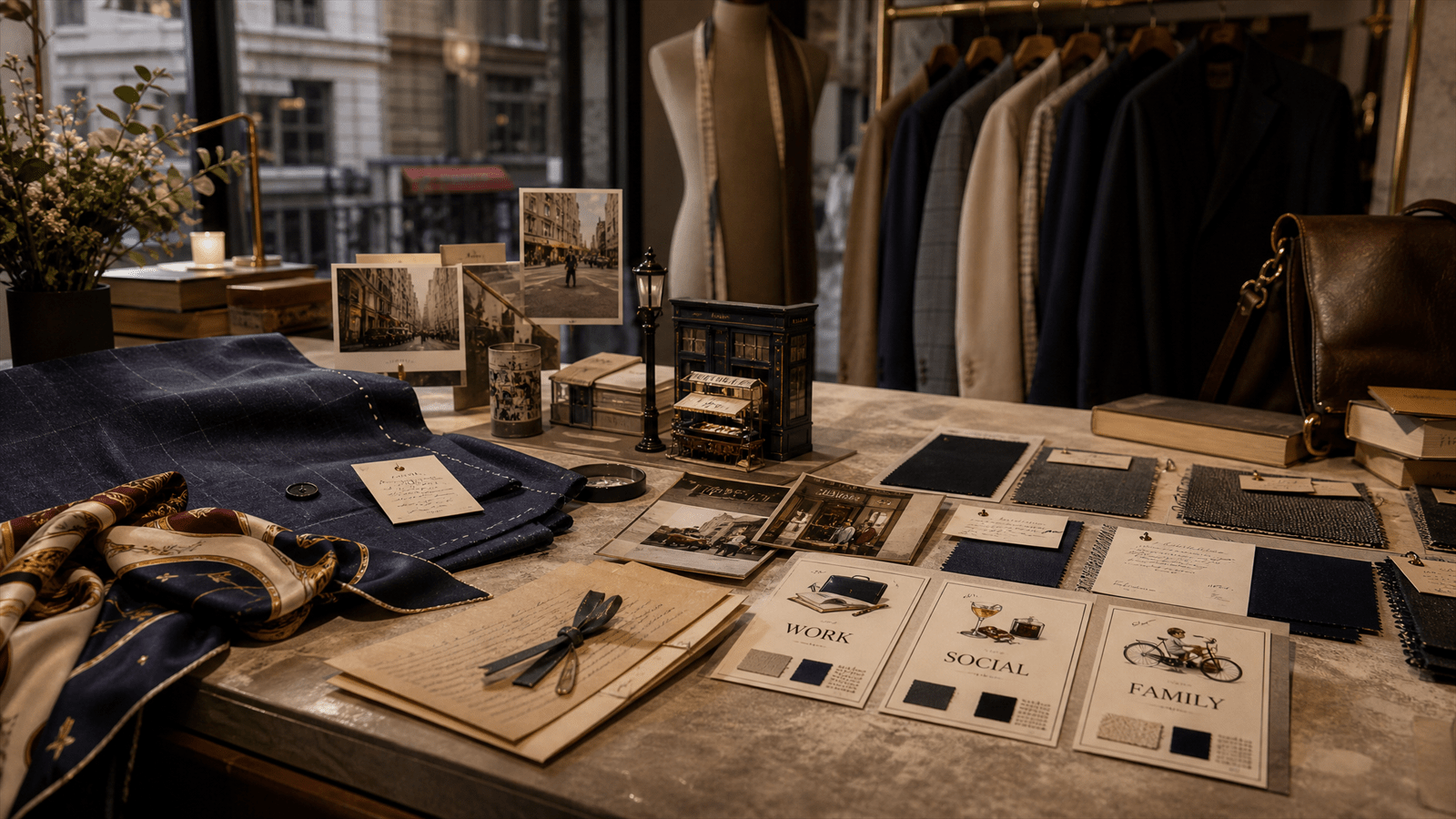
The campaign centers on a modern working woman moving through work, family, social and personal moments. That sounds broad, but it is also the strategic point. Ann Taylor’s problem is not awareness in the abstract. It is whether shoppers still see the brand as useful for the real occasions where clothing decisions happen.
Marketing Dive notes that Ann Taylor last ran a campaign of this scale in 2017 and that the retailer is trying to reconnect with existing customers while extending to a new audience. The campaign’s New York setting, fall collection, Substack presence and planned ambassador program all try to give the brand more than one contact point.
Why the occasion matters more than nostalgia
Nostalgia can create attention, but it rarely creates a durable retail role by itself. The stronger question is: what job should this brand do now? For Ann Taylor, the answer appears to be less about corporate uniformity and more about clothes for a multidimensional professional life.
That distinction matters. A heritage brand can look dated when it repeats old codes without a new use case. It can also lose distinctiveness when it chases every trend. The useful middle ground is to identify occasions where the brand already has permission, then update the product, media and experience around those occasions.
A heritage comeback framework
- Define the current customer job before refreshing the visual system.
- Choose two or three occasions where the brand can credibly solve a problem.
- Make the product prove the positioning through fit, styling, price and availability.
- Use content channels for continuity, not only campaign reach.
- Add physical or community activations only when they create evidence, feedback or participation.
- Plan ambassador activity around repeated use cases, not only launch-week visibility.
What to measure after launch
A comeback should not be judged only by impressions. Track product page demand by occasion, new versus returning customer mix, search interest around brand and category combinations, email or Substack retention, store and event participation, repeat purchase, and whether campaign styles actually sell through.
Qualitative signals matter too. Are customers repeating the new brand language? Are stylists, creators or ambassadors showing the clothes in believable situations? Are comments asking where to buy, how to style and what occasion the pieces fit, or only reacting to the creative?
The CMO takeaway
Ann Taylor’s move shows the right ambition for a heritage retailer: reconnect product, media, community and activation around a current role in the customer’s life. The risk is assuming the launch itself proves the comeback. It does not. The launch only creates a test.
The practical lesson is to make every brand refresh answer one operating question: what occasion do we now own more credibly than before? If the answer is clear, media can build memory. If the answer is vague, nostalgia becomes a costume.