Dr Pepper’s latest Fansville season is not interesting only because it is another college-football campaign. It is interesting because the platform is entering its ninth season while still being adapted to current fan culture, personalization and measurable outcomes. Marketing Dive reported that the new season keeps the campaign’s parody world while adding fresh storylines around the modern college-football landscape.
For brand marketers, that is the more durable lesson. A long-running idea does not have to become stale if it has a repeatable world, flexible characters, seasonal triggers and a measurement system that proves the platform still works.
Consistency is not sameness
Keurig Dr Pepper’s marketer Derek Dabrowski told Marketing Dive that the brand has a recognizable point of view with enough flexibility to stay culturally current. That is a useful definition of a brand platform. The audience should recognize the world immediately, but the individual executions should still respond to the season.
This is different from repeating a campaign line. A platform gives the team rules: tone, characters, setting, recurring conflicts and channels. Within those rules, the team can react to conference changes, player movement, fan debates and retail moments without rebuilding the brand every year.
Personalization needs a world to personalize
Marketing Dive reported that Keurig Dr Pepper has used AI, first- and third-party data and optimized workflows to create more targeted and localized Fansville assets. The cited 2025 iteration included more than 2,500 marketing permutations and, according to company comments, outperformed the national campaign average on sales lift and incremental return on ad spend.
The key point is that personalization works better when the source idea is stable. If every execution starts from scratch, localization becomes fragmentation. If the brand world is clear, local media, creator references, retail placements and audience variants can feel like versions of the same campaign.
The operating model
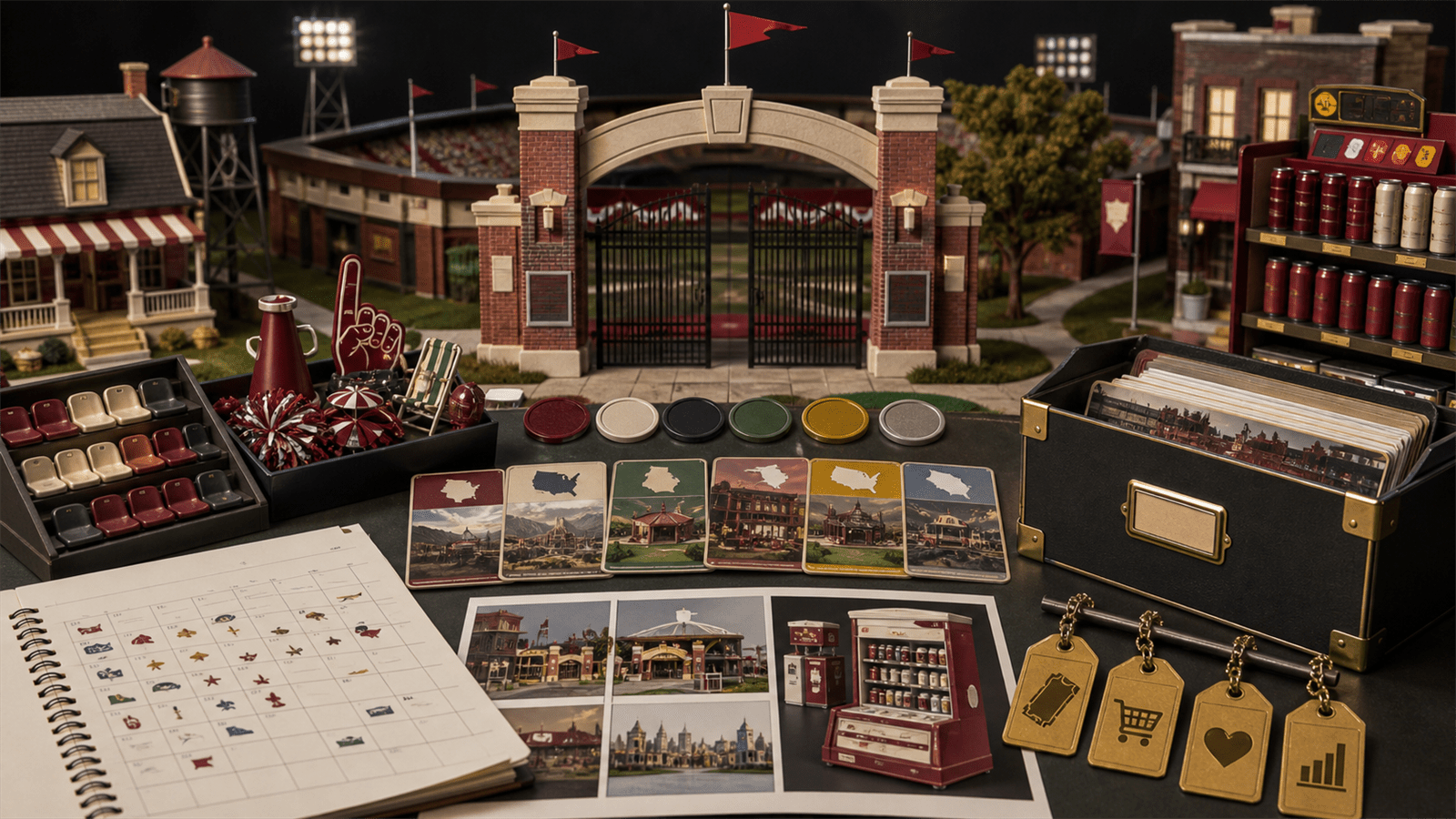
A reusable platform needs four controls. First, a continuity archive that protects what audiences already recognize. Second, a culture radar that identifies which seasonal changes are worth entering. Third, an asset factory that can produce local and channel-specific variants without losing the core idea. Fourth, a measurement plan that connects media, retail and sales evidence.
This model is not only for beverage brands. B2B companies can use recurring customer-problem worlds, ecommerce brands can use seasonal product universes, and local brands can use neighborhood rituals. The test is whether the idea can return without feeling like a rerun.
The strategic risk
The risk is over-extension. A platform can become noisy if every cultural reference is added or every channel gets a different version. The discipline is to decide what must remain recognizable, what can change by season, and which outcomes justify another year of investment.