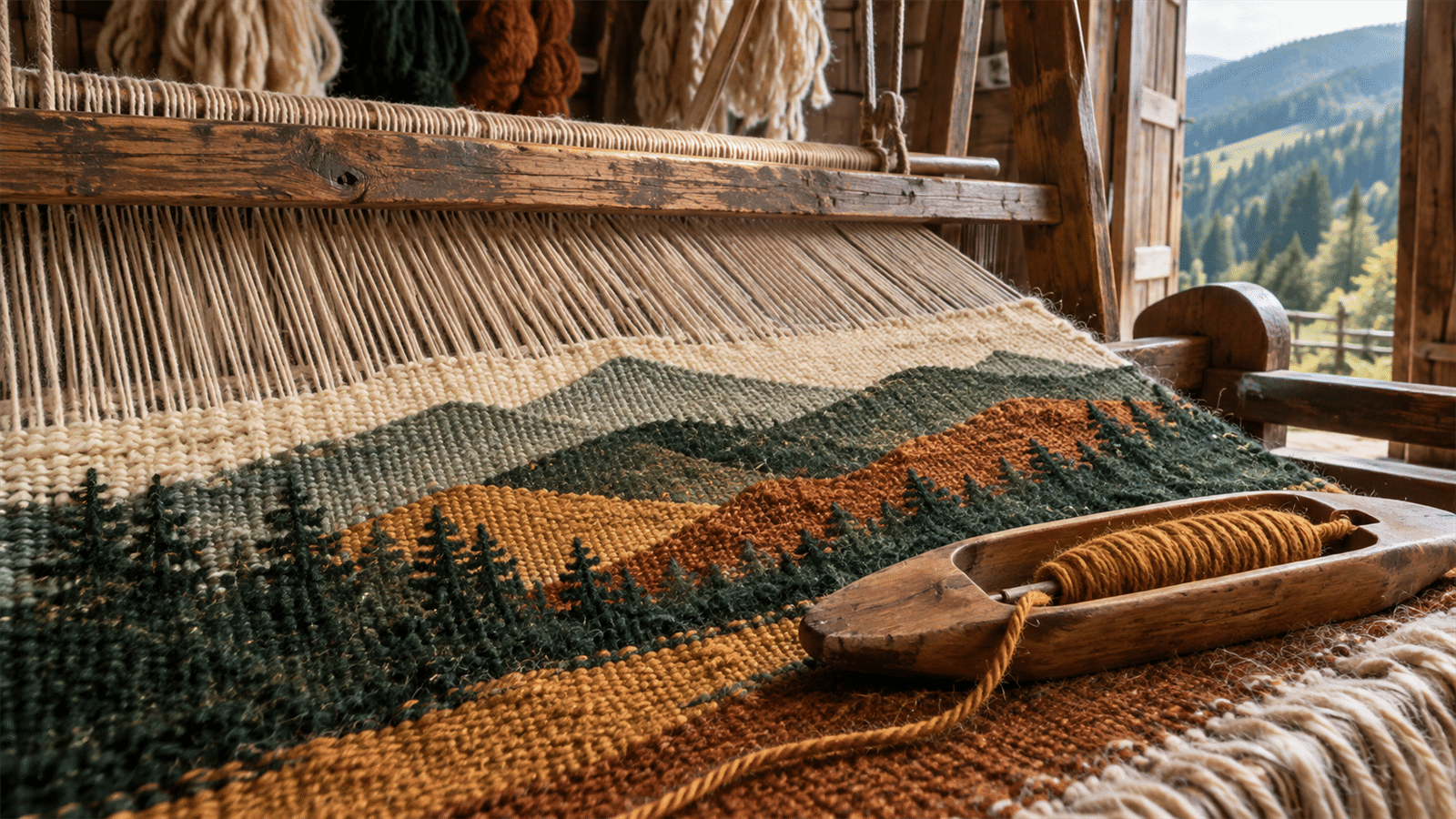
A partnership between a large brand and a small maker becomes easier to evaluate when the shared product is clear. KredoBank and Juniper offer a concrete example: landscape-inspired bank-card designs became wool panels and cushions. The marketing lesson concerns how a recognisable idea moves into a different material, and what each partner must deliver.
The fresh trigger is AIN’s November 25 recap of the Spivpratsia project and recruitment for another season. It is supported by KredoBank, so treat it as a first-party sponsored account. The earlier bank announcement explains the Juniper collection; neither source provides audited evidence of sales or brand lift.
Follow the asset from design to physical use
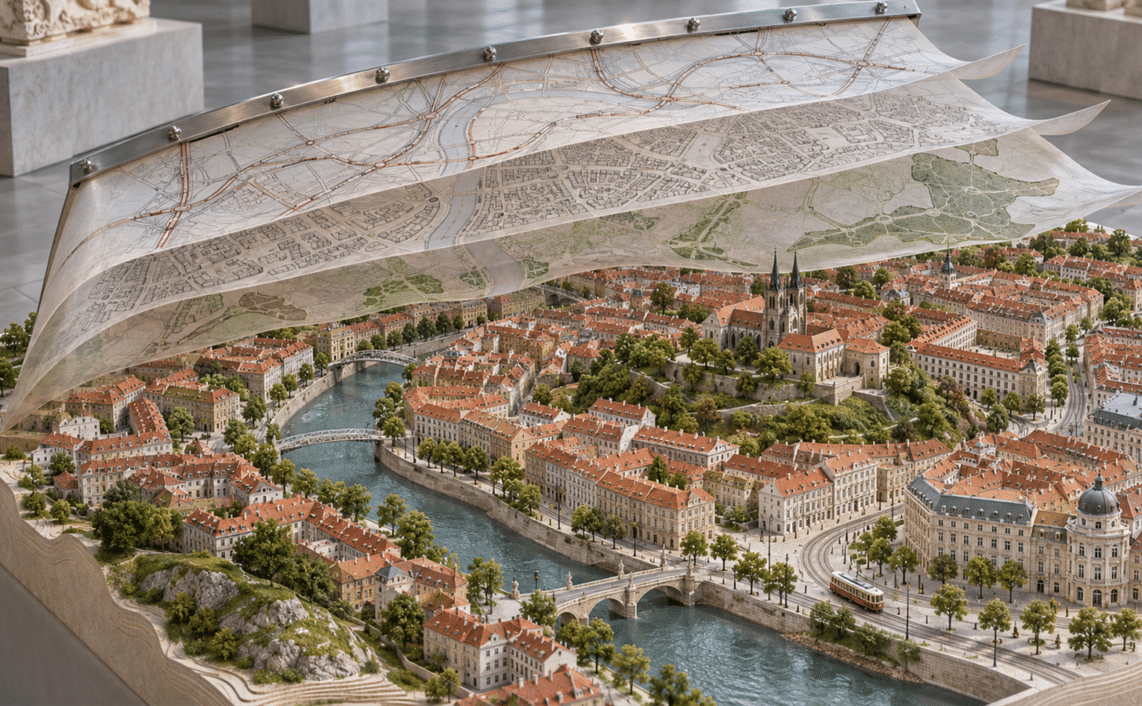
The useful feature of this example is the transfer of a landscape design into a tactile object. A logo placed on an unrelated item would require a different explanation of customer value. Here the starting point and the craft output can be discussed together without assuming a commercial outcome.
For another brand, begin by naming the asset that can travel: a shape, colour relationship, place-based story or practical product function. Then ask what the maker’s material and expertise add. This is a proposed planning exercise, not a claim about the partners’ private brief.
Write a one-sentence product promise and test whether both partners can explain it independently. If the explanations diverge, resolve the design question before financing filming, packaging or paid reach. The collaboration needs an object that makes sense to its intended user as well as an interesting production story.
Separate product delivery from episode release
The AIN recap requires careful reading. Its headline mentions five collaborations and products, while the body identifies four realised collaborations and says a planned fifth episode was cancelled after Russian attacks. That does not support a claim that five episodes aired or resolve every question about the fifth product’s status.
The operating lesson is to keep different acceptance records. A prototype accepted by both partners, a completed production run, a released documentary and an item available to customers are different milestones. A film can be delayed while physical work exists; a finished episode does not prove that orders can be fulfilled.
For a future project, assign an owner and evidence requirement to each milestone. Include a contingency for interrupted production or release, with a clear decision on what can be announced. Those are recommended controls, not statements about the arrangements used in this case.
Budget for the maker’s actual contribution
A suggested collaboration brief should cover design approval, sampling rounds, material tolerances, production capacity, payment timing, attribution and rights to reuse the work. Explain who can change a design and who pays when a revision requires another sample.
Capacity deserves its own discussion. A small workshop’s ability to make an excellent sample does not establish its ability to fulfil a larger launch. Agree the quantity that can be promised, the process for handling defects and the responsibility for customer enquiries before making public commitments.
Keep the product budget distinct from the cost of telling its story. That makes it possible to identify whether a change in expenditure improves the object, production reliability or distribution. It also gives both partners a clearer basis for discussing scope.
Evaluate outcomes at three levels
First check delivery: did the agreed object and required production evidence exist? Next assess communication: did the released material explain the shared idea, credit the maker and reach the intended audience? Finally examine commercial results using the objectives agreed before launch.
A future project might track qualified enquiries, orders or repeat demand, but these are proposed measures rather than reported outcomes for KredoBank or Juniper. Keep the measurement period and any comparison explicit. A documentary view count cannot substitute for a sales result.
For a CMO, this case is a prompt to commission a transferable product idea and a workable partnership. Its value as a planning example rests on the visible design-to-material connection. Any claim about financial effectiveness needs additional evidence.
Sources
- AIN/KredoBank: sponsored first-season recap
- KredoBank: Juniper collection announcement,August 18
- AIN: dated November 25 recap announcement