Build-A-Bear’s second-quarter miss is a useful retail case because it separates novelty from product-system fit. The company reported Q2 total revenue of $115.3 million, down 7.2% year over year, and lowered its fiscal 2026 revenue outlook to $500 million to $525 million. Retail Dive reported that summer trend merchandise did not resonate with shoppers and wholesale opportunities moved more slowly than expected.
The easy conclusion would be that retail innovation is risky. That is too broad. The sharper lesson is that an extension has to reinforce the customer ritual that made the brand valuable. For Build-A-Bear, management pointed to product that was less dressable and did not move through the full customization experience as well as expected. That is a product, brand and channel issue at the same time.
What the quarter showed
The official release gives the business pressure. Net retail sales fell 7.1% to $106.5 million, consolidated ecommerce demand declined 15.6%, and pre-tax income fell to $11.6 million from $15.3 million. The company also noted tariff costs, inflation pressure and investment needs, so the result should not be reduced to one product decision.
Still, the merchandise signal matters. Retail Dive quoted CEO Chris Hurt saying the company pushed summer innovation too far and that the product did not resonate as well with consumers. The reported inability to repeat a multimillion-dollar Walmart program adds a second lesson: wholesale scale is not the same as owned-channel proof.
The product-system problem
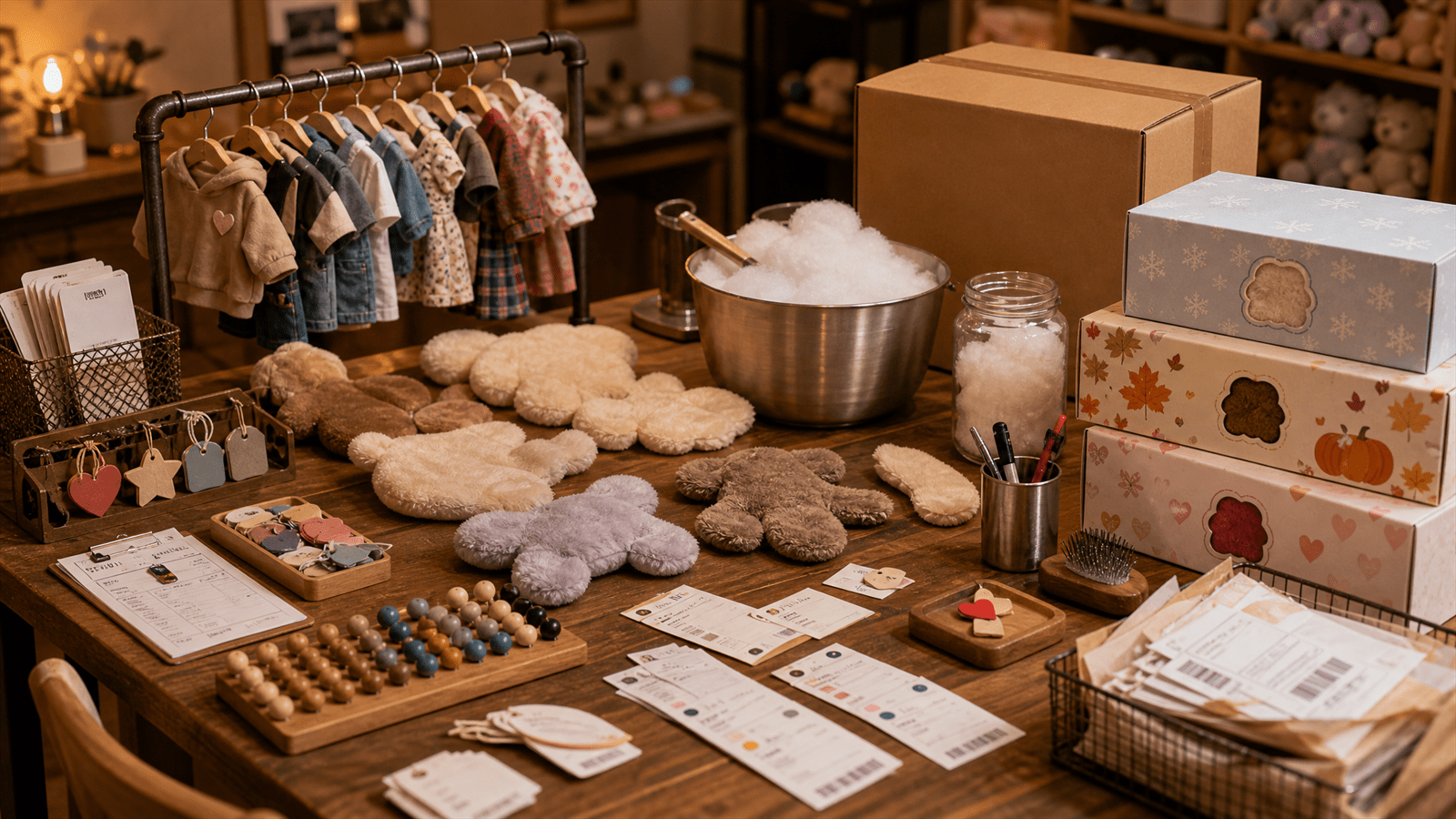
A strong retail brand is more than a logo and product assortment. It has a system: the reason to visit, the ritual customers remember, the add-on logic, the price expectation, the inventory model and the content that makes the purchase feel worth sharing. When innovation strengthens that system, it can refresh demand. When it bypasses the system, it can look new while weakening conversion.
For Build-A-Bear, customization is not an accessory. It is part of the product experience, the store visit and the emotional memory. A seasonal item that cannot carry that ritual may need much stronger proof before it receives national inventory, campaign attention or wholesale expectations.
A checklist for retail extensions
Before scaling a seasonal or trend-led product, score it on five questions. Does it preserve the customer ritual? Does it create attachment or repeat-purchase opportunities? Does it have evidence from owned stores or ecommerce before wholesale expansion? Does the creative show a real use case rather than only novelty? Can inventory be cleared without training customers to wait for discounts?
If the answer is weak on two or more questions, the product may still be worth testing, but it should be treated as an experiment. Limit the buy, isolate measurement, define the exit rule and avoid building a full campaign around unproven enthusiasm.
What marketers should measure before scaling
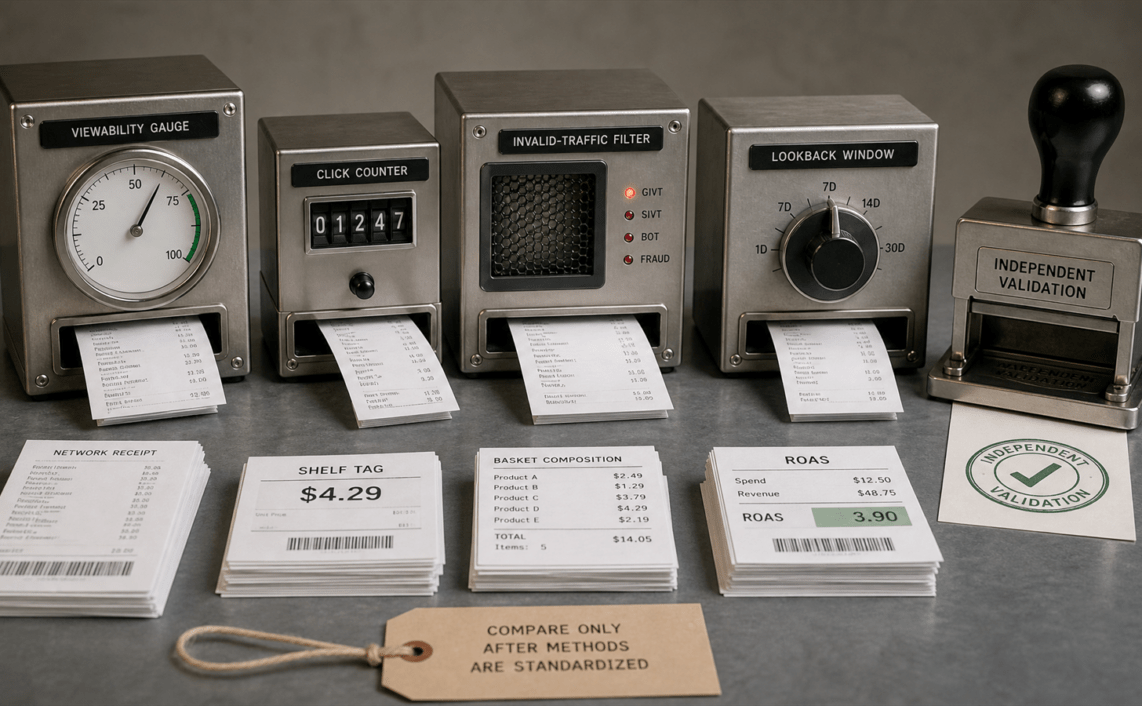
Traffic is only the first signal. Marketers should also watch product-page conversion, attach rate, customization uptake, return behavior, margin after promotions, search demand, social saves and whether customers describe the item in the same language the brand uses. Ecommerce demand is especially useful because it reveals whether novelty converts when the store experience is removed.
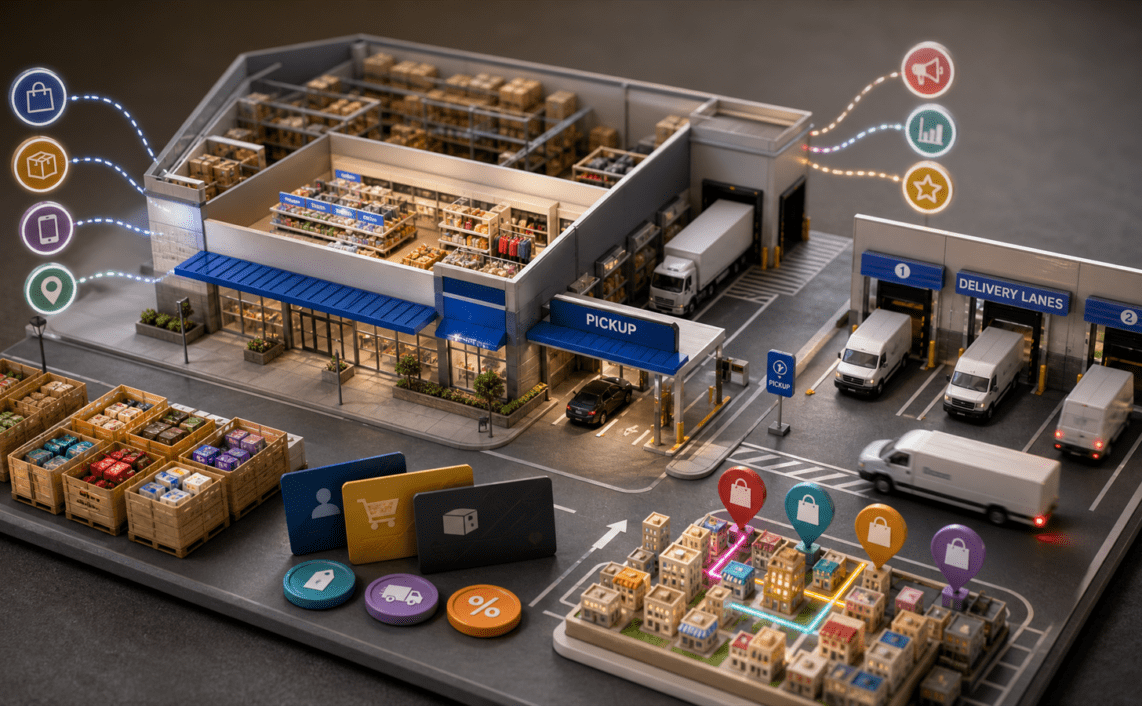
Wholesale needs its own proof. A successful third-party placement can extend reach, but it can also change expectations around price, packaging and experience. Before making it a growth pillar, retail teams should know whether the product works because of the partner’s distribution or because customers would seek it out anywhere.
The broader lesson
Build-A-Bear still has scale, profitability and a plan to add at least 50 net new experience locations. This is not a collapse story. It is a discipline story. Retail innovation should not ask, “Is this new enough?” It should ask, “Does this make the core buying experience more compelling, easier to repeat and easier to market?”